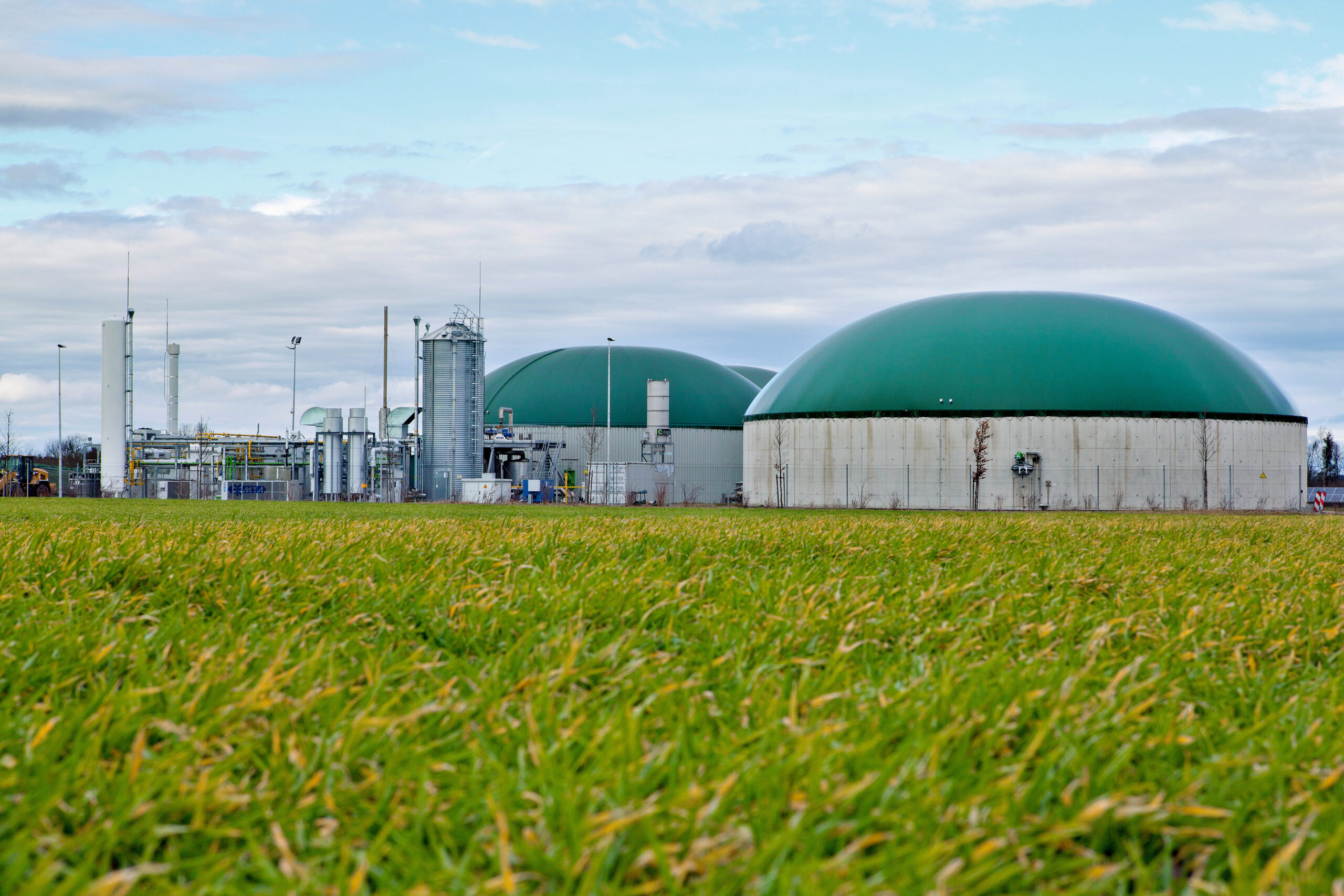
For years, the Investment Tax Credit (ITC) under Section 48 and the Production Tax Credit (PTC) under Section 45 of the Internal Revenue Code provided the federal tax incentive foundation for biogas electricity projects.
The North American Electric Reliability Corporation (NERC) has determined that large computational loads connecting to the Bulk‑Power System (BPS) at an unprecedented speed and scale are reshaping demand profiles and exposing reliability gaps in both planning and operations.
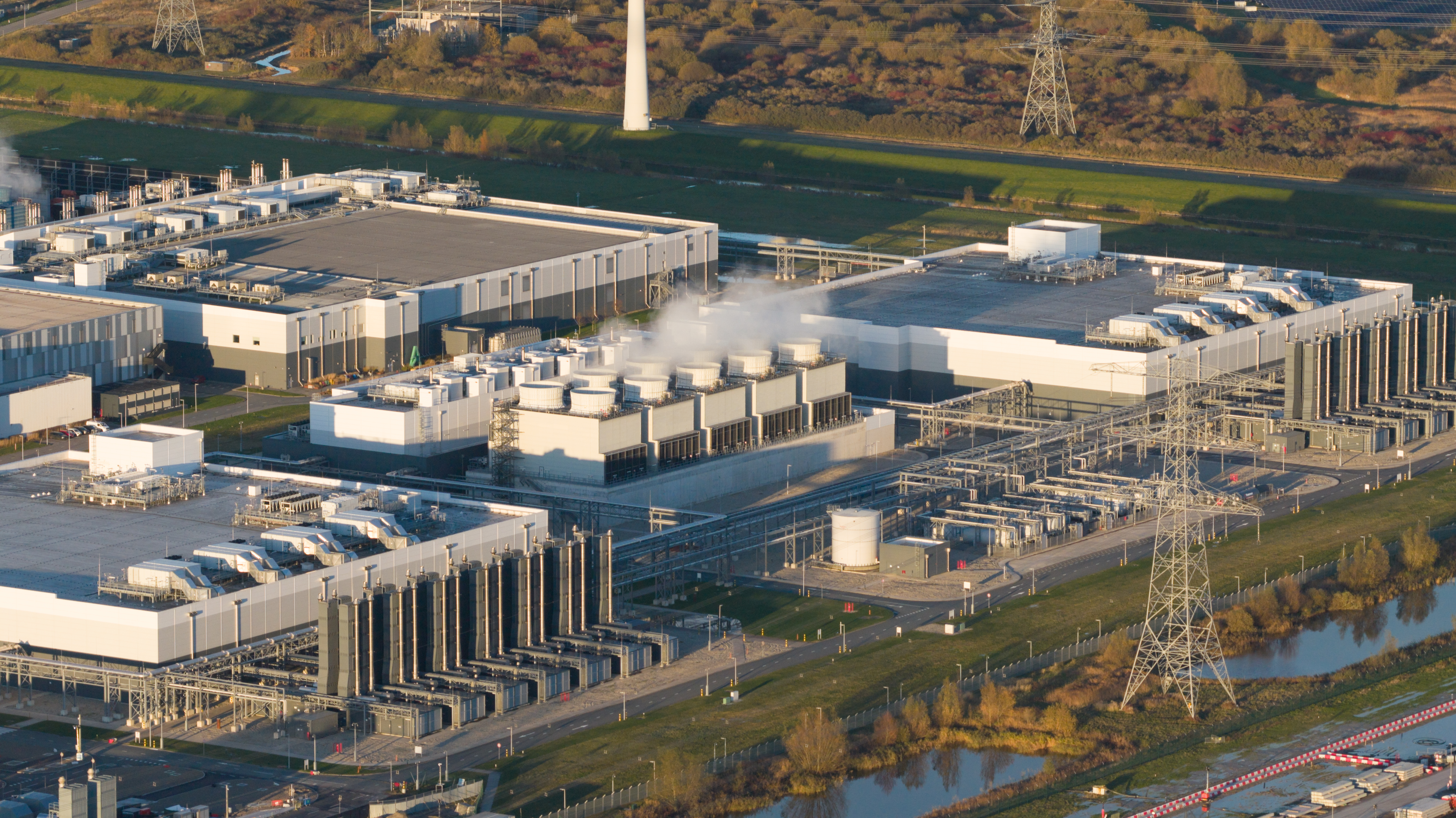
While much attention has focused on the electricity demands of AI-driven data centers, a quieter crisis is emerging around water consumption. Modern hyperscale data centers can consume between one and five million gallons of water daily for cooling systems, with some facilities using significantly more during peak operations. As tech companies announce plans to build dozens of new AI-focused campuses, communities from Arizona to Virginia are questioning whether local water resources can sustain this growth alongside residential and agricultural needs.
The U.S. Department of Energy has released a $293 million funding opportunity (DE-FOA-0003612) under its Genesis Mission to accelerate AI deployment across 26+ national challenges in energy systems, grid infrastructure, data centers, advanced manufacturing, microelectronics, and biotechnology. The focus is on creating deployment-ready solutions, not exploratory research. Unlike traditional DOE research grants, Genesis Mission prioritizes speed, integration, and measurable performance gains in complex systems through cross-sector collaboration.
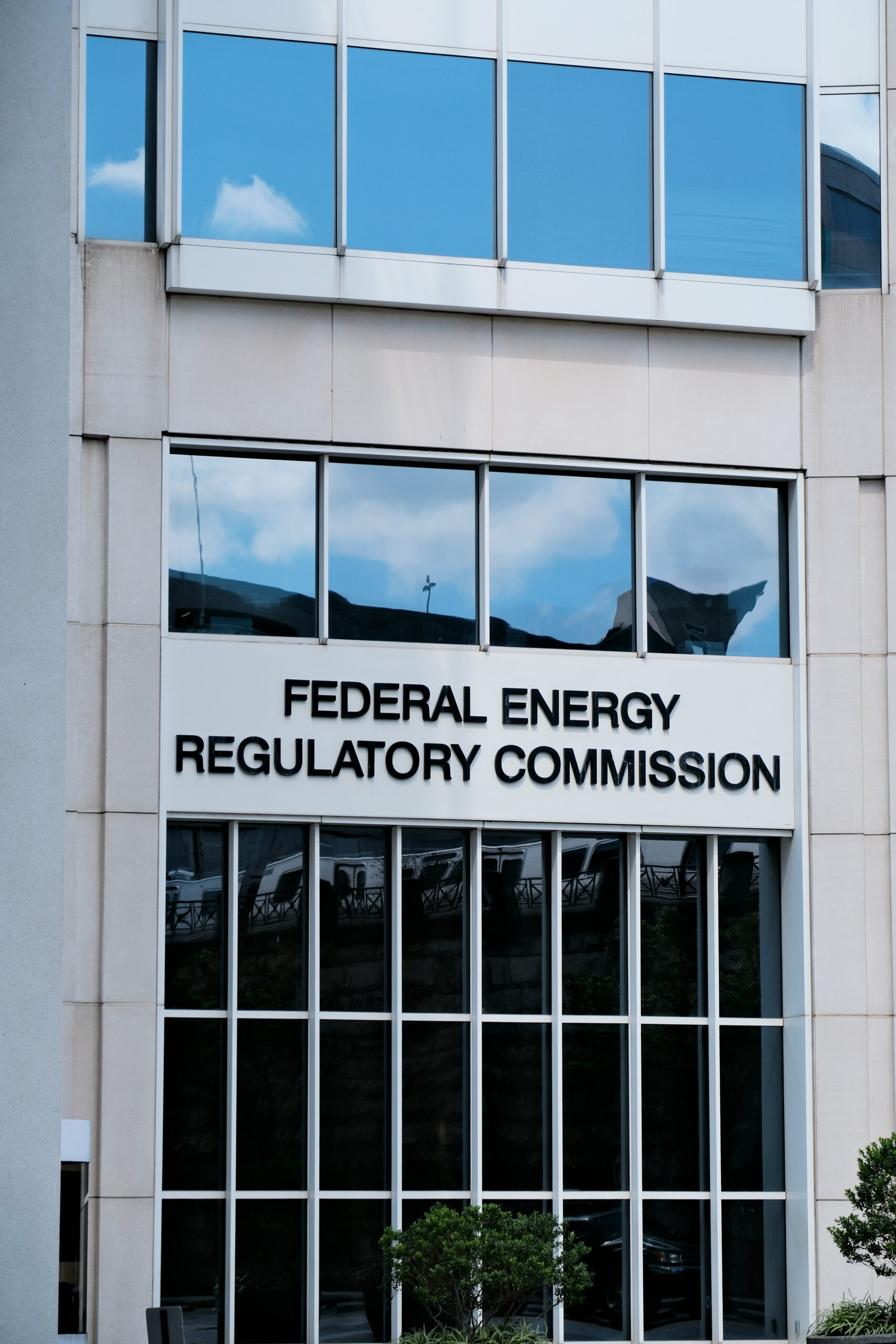
On January 14, 2026, the Federal Energy Regulatory Commission (FERC) accepted new rules proposed by Southwest Power Pool, Inc. (SPP) regarding the interconnection of High Impact Large Loads (HILLs) and the interconnection of new generation facilities that will be used to serve them, called High Impact Large Load Generation Assessment (HILLGA) in Docket No. ER26-247. This order, along with the recent order directing PJM Interconnection, L.L.C. (PJM) to propose rules for Co-Located generation and large loads, offer the first glimpse into how FERC will address the challenges facing the nation’s electricity grid. These include balancing resource adequacy, grid reliability, and fair cost allocation for any needed grid expansions to accommodate new AI-driven data centers.
Investment into data centers continues to increase significantly as the country builds out infrastructure to accommodate the digital economy and growth of artificial intelligence. Many states, including Texas, have now implemented various tax incentives to encourage investment in the state while simultaneously grappling with the taxable aspects of data center fuel. In November 2025, the…
Although the use of a shared facilities agreement (SFA) for co-located energy projects is not a new concept, their use has increased significantly in recent years due to the rise in co-located generation, storage, and load infrastructure, particularly in the case of data centers. In general, an SFA grants each party a co-tenancy ownership interest in certain shared facilities, subject to detailed management, operations, and cost-sharing provisions, among other considerations.
Given the increasing frequency of their use, owners, operators, financing parties, and developers should understand when, why, and how SFAs can (or should) be used to avoid potential regulatory, operational, or cost-allocation issues with co-located projects.
On December 18, 2025, the Federal Energy Regulatory Commission (FERC) directed PJM Interconnection, L.L.C. (PJM) to create new rules around the co-location of generation and data centers (FERC’s Dec. 18, 2025 Order, Docket Nos. EL25-49, AD24-11, EL25-20). With several proceedings pending at the Commission to address the growing demand for energy from large load entities—including major rulemaking proceeding directed by the Department of Energy (DOE) on October 23, 2025—FERC’s December 18 order offers the first window into how the Commission will address the challenges facing the nation’s electricity grid. These challenges include balancing resource adequacy, grid reliability, and fair cost allocation for any needed grid expansions to accommodate new AI-driven data centers. FERC is expected to issue a proposed rulemaking in the coming weeks with additional guidance on how it plans to shape the future of data center development in the U.S.
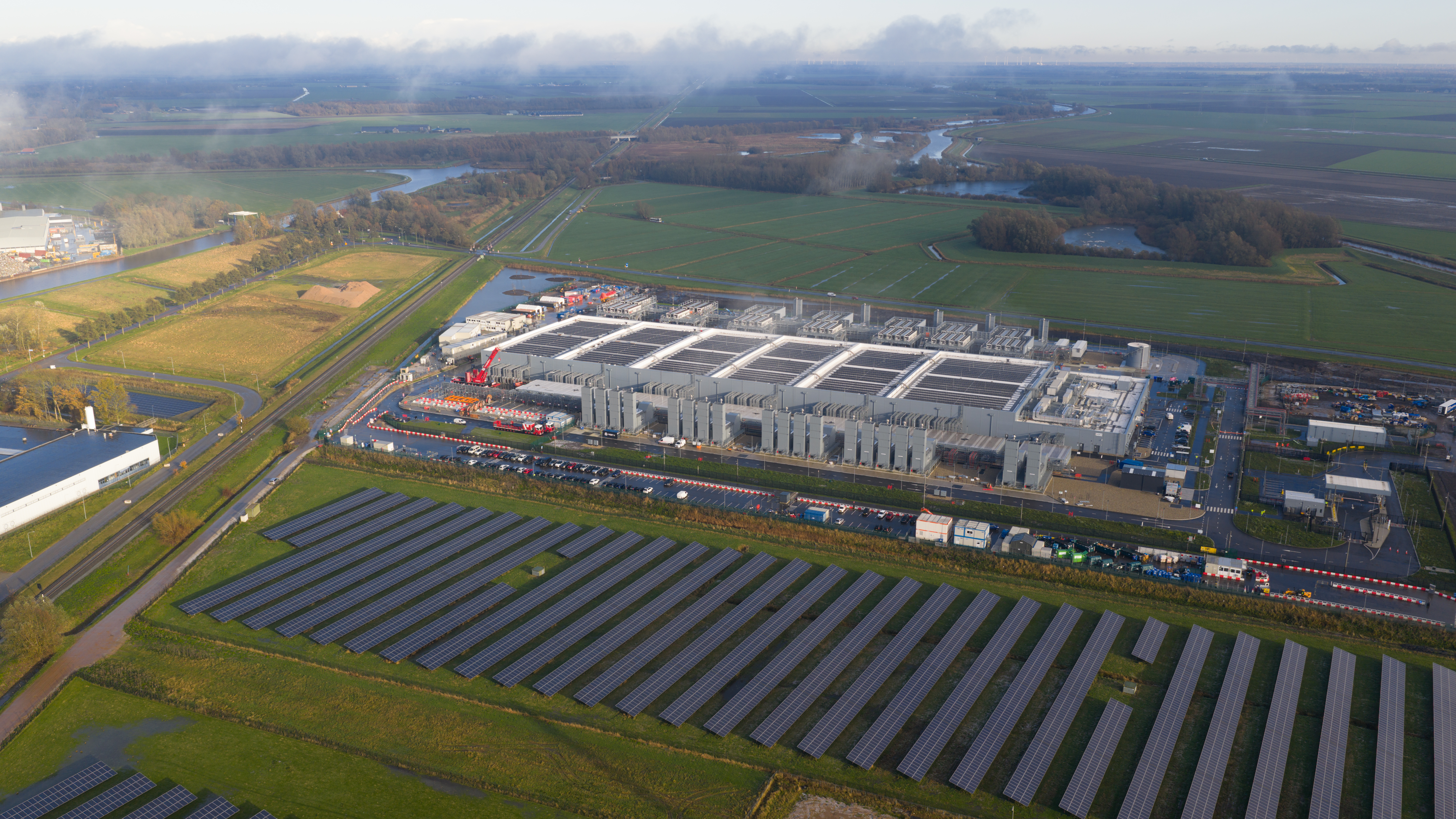
With the use of artificial intelligence (AI) in computing applications booming, the need for computing power capable of supporting those applications has exploded, fueling an unprecedented surge in data center development. Those data centers require enormous amounts of power, primarily because of the many graphics processing units (GPUs) they use and the cooling systems those GPUs require. Berkeley Labs estimates that by 2029, data center power demands will account for up to 12 percent of all domestic power consumption.
Meeting the energy demands created by the supercharged pace of data center expansion will require the coordination and utilization of multiple energy types; no single energy type is expected to meet forecasted data center energy needs alone. As data center development skyrockets to meet AI power needs, the expansion of reliable, dispatchable power options will become increasingly important.