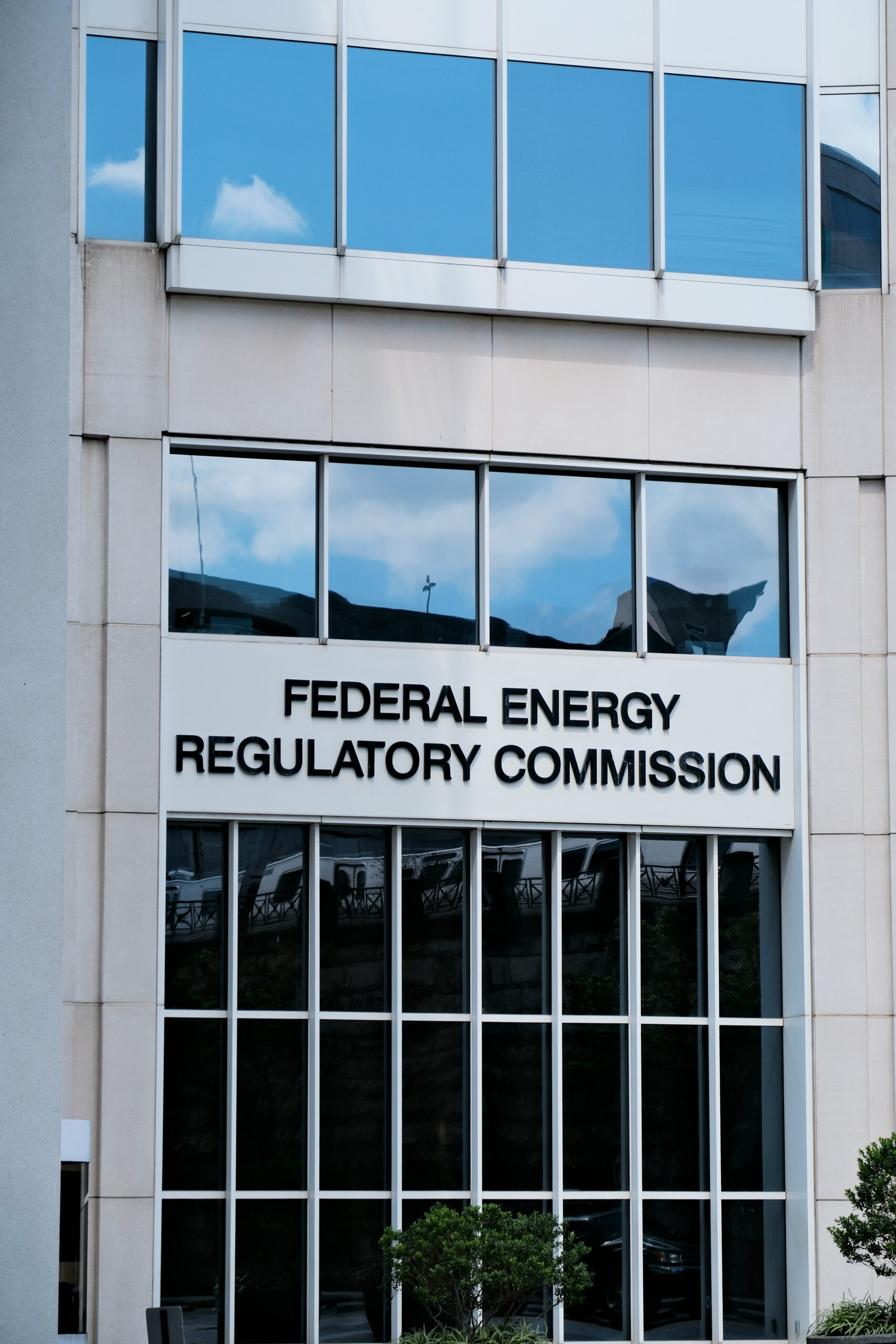
At the Federal Energy Regulatory Commission’s (“FERC” or the “Commission”) monthly open meeting on February 19, 2026, the Commission reaffirmed that it will not reinstate its ban on gas pipeline work during appeals.

At the Federal Energy Regulatory Commission’s (“FERC” or the “Commission”) monthly open meeting on February 19, 2026, the Commission reaffirmed that it will not reinstate its ban on gas pipeline work during appeals.
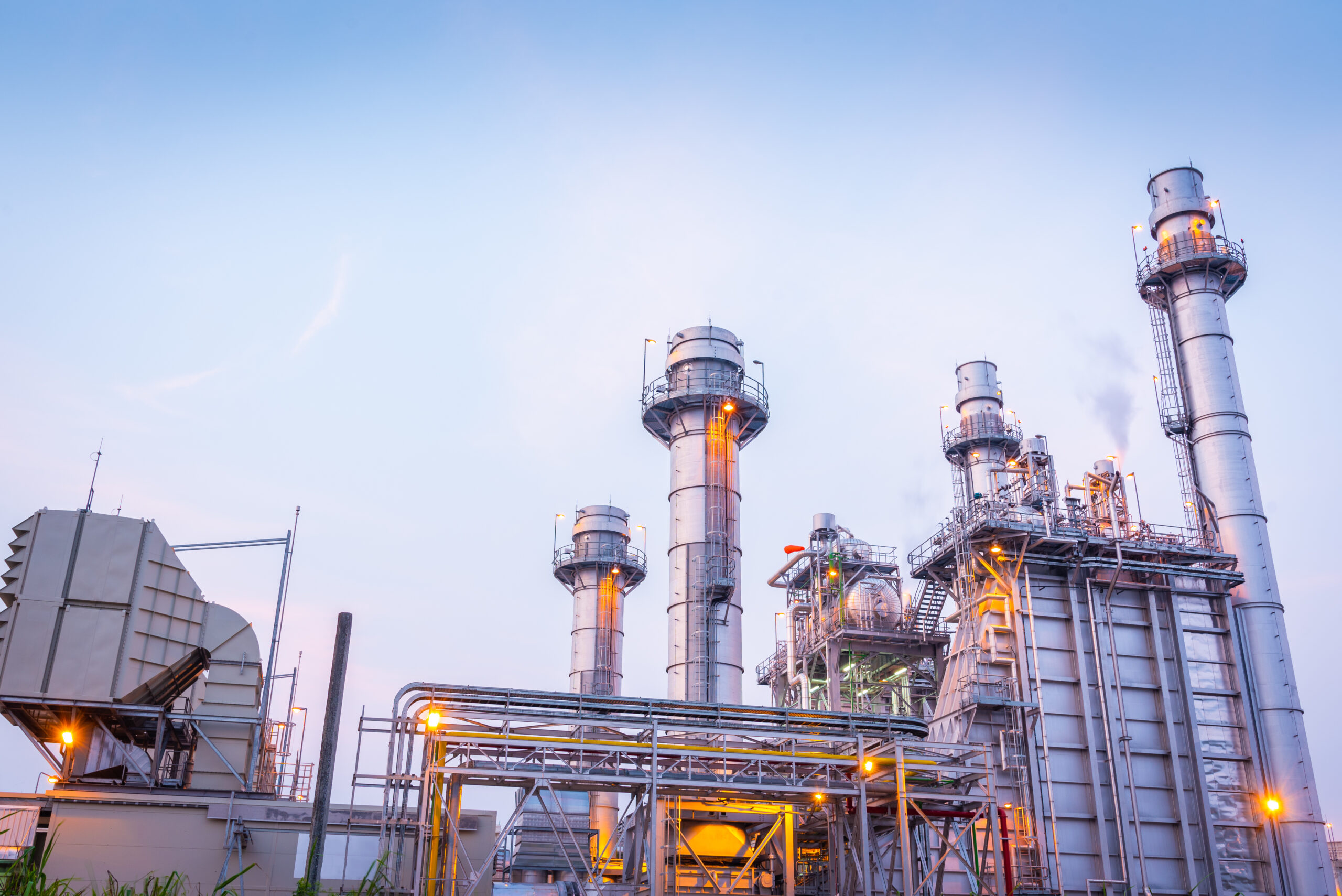
With the use of artificial intelligence (AI) in computing applications booming, the need for computing power capable of supporting those applications has exploded, fueling an unprecedented surge in data center development. Those data centers require enormous amounts of power, primarily because of the many graphics processing units (GPUs) they use and the cooling systems those GPUs require. Berkeley Labs estimates that by 2029, data center power demands will account for up to 12 percent of all domestic power consumption.
Meeting the energy demands created by the supercharged pace of data center expansion will require the coordination and utilization of multiple energy types; no single energy type is expected to meet forecasted data center energy needs alone. As data center development skyrockets to meet AI power needs, the expansion of reliable, dispatchable power options will become increasingly important.

Domestic energy production was a subject of much attention in the recently passed federal legislation. That legislation eliminated significant future tax incentives for new construction of large-scale wind and solar projects. Other energy generation sources are expected to be used more intensively and for a longer period of time than previously assumed in order to meet significant anticipated growth in domestic energy demand.
The Bureau of Land Management (“BLM”) recently circulated a Proposed Rule on Waste Prevention, Production Subject to Royalties, and Resource Conservation (“2022 Proposal”). This iteration, as BLM acknowledges, is a revamp of its fraught 2016 attempt to issue a similar rule ostensibly aimed at reducing natural gas waste on federal and Indian leases (“2016 Rule”). The 2016 Rule was ultimately struck down two years ago as unlawful. To the Wyoming federal court, the 2016 Rule sought to regulate air emissions—a role reserved for the Environmental Protection Agency (“EPA”) and the states—rather than prevent the waste of resources through flaring and other means. Undeterred, the Biden Administration believes it has learned from and theoretically fixed the flaws in the 2016 Rule through the 2022 Proposal. The 2022 Proposal claims to focus on reducing operator costs and generating taxpayer revenue. This is a shift from the 2016 Rule, which relied on the benefits from reduced carbon emissions to justify its issuance. Nevertheless, the question to many stakeholders remains: does the 2022 Proposal still exceed BLM’s authority, or has the agency done enough to win a future legal challenge?
On October 24, 2017, the Department of the Interior (“Interior”) filed its final report summarizing its review of Interior actions that potentially burden the development or use of energy produced in the United States. The review and resulting report were required by President Trump’s Executive Order 13783, which instructs the agencies to pay “particular attention” to any actions that delay or impose additional costs on oil, natural gas, coal, and nuclear energy resources.