
The U.S. Department of Energy has released a $293 million funding opportunity (DE-FOA-0003612) under its Genesis Mission to accelerate AI deployment across 26+ national challenges in energy systems, grid infrastructure, data centers, advanced manufacturing, microelectronics, and biotechnology. The focus is on creating deployment-ready solutions, not exploratory research. Unlike traditional DOE research grants, Genesis Mission prioritizes speed, integration, and measurable performance gains in complex systems through cross-sector collaboration.
Shared Facilities Agreements: When, Why, and How to Utilize an SFA for Co-Located Energy Projects
Although the use of a shared facilities agreement (SFA) for co-located energy projects is not a new concept, their use has increased significantly in recent years due to the rise in co-located generation, storage, and load infrastructure, particularly in the case of data centers. In general, an SFA grants each party a co-tenancy ownership interest in certain shared facilities, subject to detailed management, operations, and cost-sharing provisions, among other considerations.
Given the increasing frequency of their use, owners, operators, financing parties, and developers should understand when, why, and how SFAs can (or should) be used to avoid potential regulatory, operational, or cost-allocation issues with co-located projects.
Understanding and Managing Severed Mineral Estates in Renewable Energy Projects

As renewable energy development sweeps across rural and agricultural landscapes, developers are encountering a growing legal and logistical challenge: severed estates. These occur when surface rights and mineral rights are owned by different parties—a common situation in many energy-rich regions.
While renewable energy projects are designed to provide clean power and long-term value, severed estates can introduce uncertainty and risk. This article provides a structured approach to understanding and managing severed estates, so your projects stay on track and in legal compliance.

Executive and Legislative Developments Impacting Renewable Energy
Proposed changes to Inflation Reduction Act tax credits, solar tariffs, restrictions on wind energy, orders promoting fossil fuels, and a push for energy-related deregulation are just a few of the executive and legislative actions impacting renewable energy that have arisen at the federal, state, and local levels since President Donald Trump took office. We have
NERC Requests Approval To Expand Registration And Compliance Obligations To A New Category of Entities: Category 2 GOs/GOPs
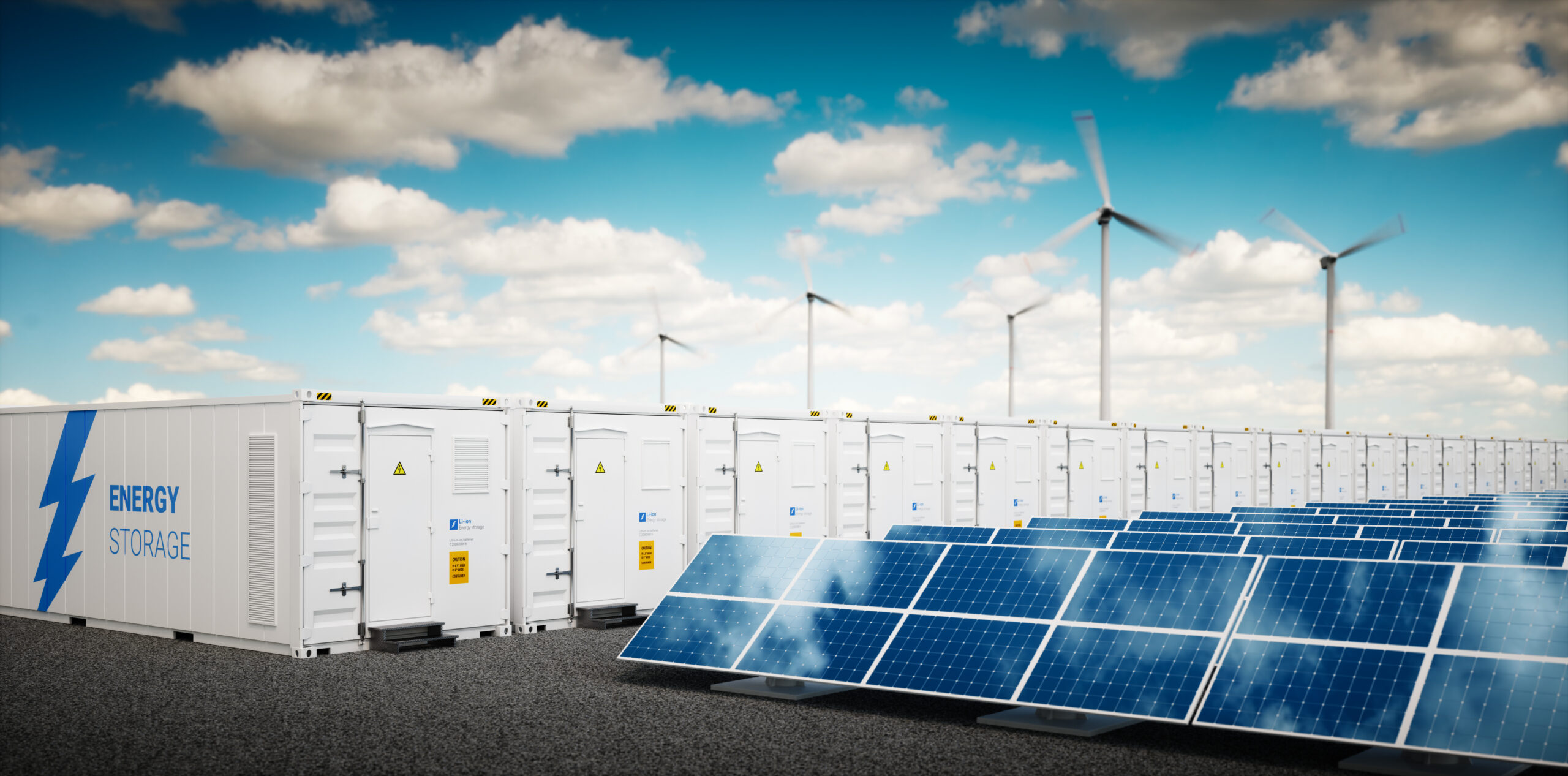
NERC recently filed rule changes with FERC that propose to significantly expand NERC registration and compliance requirements to inverter based resources, such as renewable energy and battery facilities, that historically were too small to be subject to such requirements. NERC’s proposed rule changes are one of the latest developments in NERC’s multi-year effort to address the “reliability gap” associated with these types of resources.
Sign Here: Signatory Authority in Texas Renewable Energy Land Leases
Confirming landowners’ signatory authority is crucial when preparing renewable energy leases or conducting due diligence in a renewable energy financing transaction. It is not enough to rely on a landowner’s word that he or she owns a proposed project area and has the right to encumber it with a renewable energy lease. While some leases include language certifying that the landowner executing the agreement has signatory authority, failing to properly confirm that authority can result in title issues, potentially requiring lease amendments or resulting in the denial of title insurance.
Common Title and Survey Deliverables in Texas Energy Transactions
In Texas, title insurance forms are promulgated by the Texas Department of Insurance (the “TDI”), with policy types, premium amounts, and the issuance of endorsements being regulated by standardized procedural and rate rules. Thus, title deliverables required for debt and equity financing transactions tend to be generally uniform in Texas renewable energy transactions.
Texas Solar Webinar Series
Husch Blackwell and the Texas Renewable Energies Industries Alliance have teamed up to produce a webinar series titled, On the Horizon, focused on the Texas solar industry. The latest installment focused on solar leases and mineral right issues and is now available on-demand. The panelists discussed recommended provisions for solar leases including steps solar project developers can take to anticipate mineral estate operations and lessen the potential impact of right of access under the Texas’ Accommodation Doctrine.
Register here for the final two webinars of the year: