
With the use of artificial intelligence (AI) in computing applications booming, the need for computing power capable of supporting those applications has exploded, fueling an unprecedented surge in data center development. Those data centers require enormous amounts of power, primarily because of the many graphics processing units (GPUs) they use and the cooling systems those GPUs require. Berkeley Labs estimates that by 2029, data center power demands will account for up to 12 percent of all domestic power consumption.
Meeting the energy demands created by the supercharged pace of data center expansion will require the coordination and utilization of multiple energy types; no single energy type is expected to meet forecasted data center energy needs alone. As data center development skyrockets to meet AI power needs, the expansion of reliable, dispatchable power options will become increasingly important.
Natural Gas & Data Centers
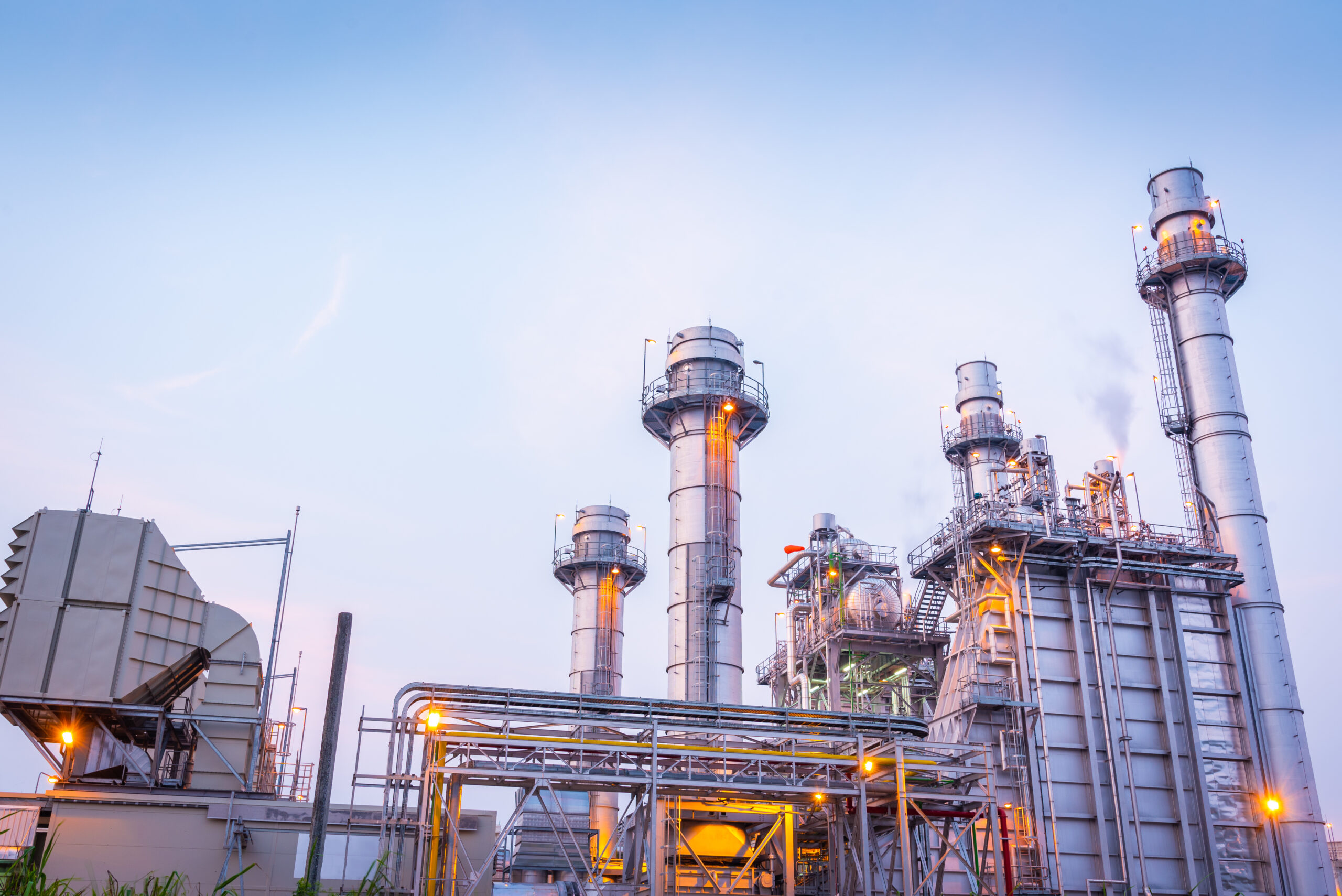
One immediately available and scalable option is natural gas. Natural gas resources generate dependable volumes of energy every minute, regardless of external conditions, and the three million-plus miles of existing domestic natural gas pipelines represent a ready and capable method of conveying that energy to users nationwide.
Gas utilities are paying attention: utilities serving the Carolinas, Georgia, and Virgina recently announced plans to add 20 gigawatts (GW) of natural gas generation capacity to their networks (60 percent of which is anticipated to be used by data centers in those states).
Data center developers are taking notice also, increasingly co-locating facilities alongside upstream gas producers, especially in states with developed pipeline networks and favorable permitting environments like Louisiana, Texas, Utah, New Mexico, and Colorado. Several data center firms are developing projects through joint ventures with gas providers, including in the gas-rich Permian Basin.
While natural gas is uniquely positioned to supply data center energy, it faces the same challenges other carbon-based fuel sources face: it’s a finite resource and developing it comes with considerable environmental repercussions. Although some analysts estimate natural gas generates 50 percent less carbon pollution than coal, others worry the sheer scale of growth required by data center acceleration will result in massive emission increases (conceivably as much as 200 million new tons of carbon pollution per year, according to Goldman Sachs).
The Renewable Natural Gas Alternative
For those reasons, clean-minded data center developers, owners, and operators are exploring renewable natural gas (RNG) as an alternative. RNG, which is generated by the decomposition of replenishable organic material (typically landfill waste, livestock manure, and wastewater sludge), is regularly captured prior to entering the atmosphere, converted to pipeline-quality methane, and transported to end-users to compress into transportation fuel or route into generators to create renewable electricity.
Some major players in the data center space are leaning into RNG as an energy source, developing RNG-fueled microgrids to power data centers (either on a temporary or permanent basis). In late 2023, it was announced that a Texas-based microgrid manufacturer was developing an RNG-powered microgrid solution in California to provide backup power to a nearby data center.
While using RNG to power data centers can reduce carbon emissions, it does introduce challenges, primarily around the availability of organic feedstock from which RNG is generated (although industry participants believe that risk is at least balanced by the replenishable nature of that feedstock and point out that large-scale projects with multiple feedstock sources largely minimize that risk). Overall, the industry is recognizing that data centers powered in part by RNG contribute to the avoidance of carbon emissions, avoid the risk of relying on a finite energy resource, and enjoy dependable energy without the environmental repercussions of traditional gas extraction.