The rapid growth of carbon capture and storage (CCS) projects across the United States has been fueled in large part by the enhanced tax credits available under Section 45Q of the Internal Revenue Code of 1986, as amended (Code).

The rapid growth of carbon capture and storage (CCS) projects across the United States has been fueled in large part by the enhanced tax credits available under Section 45Q of the Internal Revenue Code of 1986, as amended (Code).
Carbon capture and storage (CCS) is rapidly emerging as one of the most consequential areas of energy law and environmental regulation. At its heart sits a technical but critically important regulatory category: the Class VI injection well. These wells are used to inject carbon dioxide into deep rock formations for the purpose of long-term underground storage, making them the cornerstone of any commercial-scale CCS project. For years, permitting authority for Class VI wells located in Texas rested solely with the federal Environmental Protection Agency (EPA), resulting in a process many in the energy industry found slow and uncertain.
That all changed last fall. In November 2025, the State of Texas formally received primary enforcement authority, or “primacy”, for its Class VI Underground Injection Control (UIC) program, granting the Railroad Commission of Texas (RRC) regulatory power over these types of wells and, consequently, the CCS process.
This article examines how Texas achieved this milestone, how the state strategically positioned itself for a seamless transition by accepting applications and fees years in advance, and the status of those permit applications today.
With the use of artificial intelligence (AI) in computing applications booming, the need for computing power capable of supporting those applications has exploded, fueling an unprecedented surge in data center development. Those data centers require enormous amounts of power, primarily because of the many graphics processing units (GPUs) they use and the cooling systems those GPUs require. Berkeley Labs estimates that by 2029, data center power demands will account for up to 12 percent of all domestic power consumption.
Meeting the energy demands created by the supercharged pace of data center expansion will require the coordination and utilization of multiple energy types; no single energy type is expected to meet forecasted data center energy needs alone. As data center development skyrockets to meet AI power needs, the expansion of reliable, dispatchable power options will become increasingly important.
Introduction: CO2-EOR vs. CCS
In recent years, the importance of carbon capture technology has grown significantly as a means to combat climate change. With the emergence and advancement of geologic technologies, and their application in the energy industry, many industrial companies are deploying both CO2 Enhanced Oil Recovery (CO2-EOR) and
One promising solution to climate change is Carbon Capture, Utilization and Storage (“CCUS”). CCUS involves capturing carbon oxides, primarily carbon dioxide (CO2), for permanent storage or potential utilization. Interest in CCUS increased after the Inflation Reduction Act (“IRA”) revamped Section 45Q of the US Tax Code to expand tax
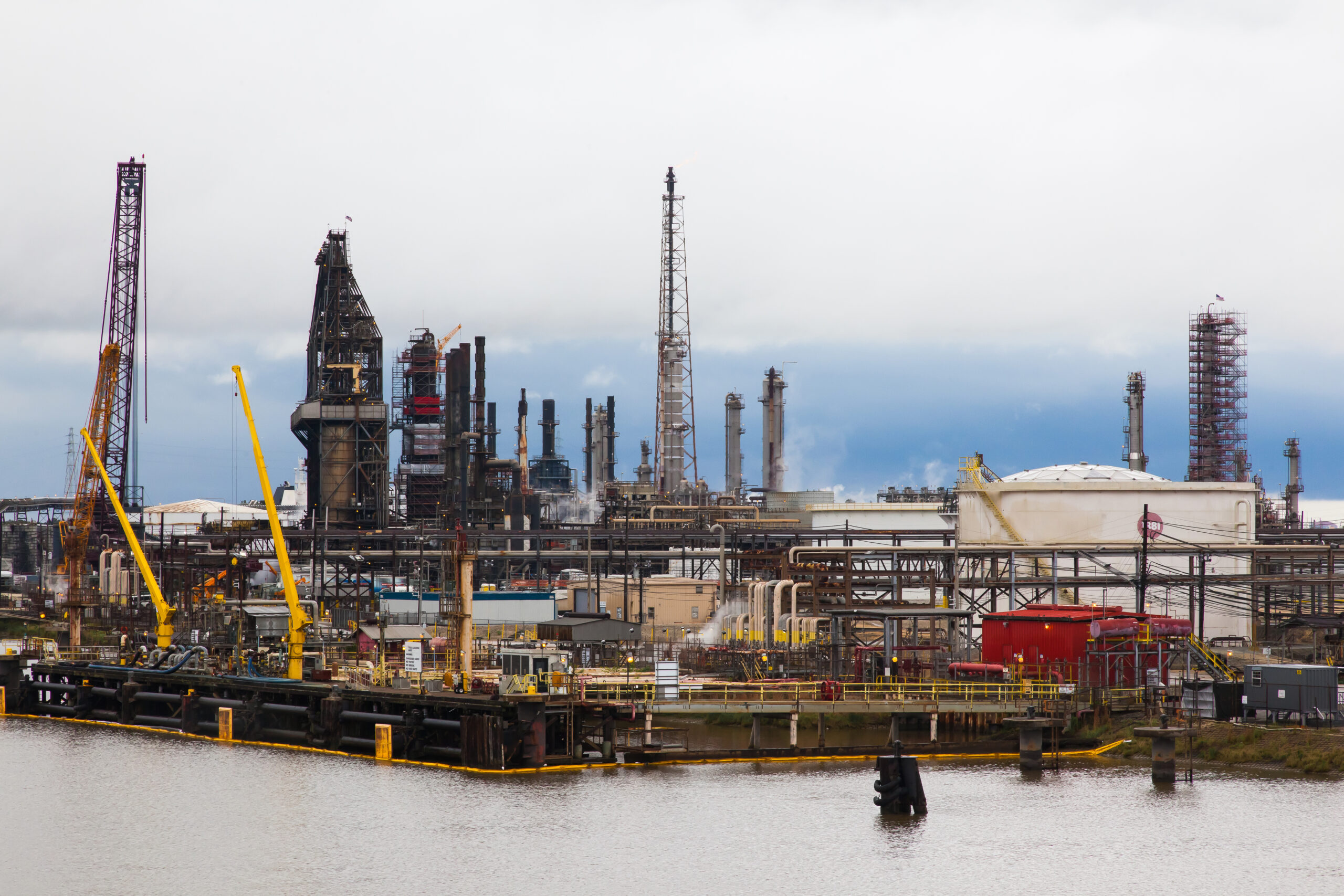
Carbon capture and sequestration (CCS) is a highly effective means of reducing carbon dioxide (CO₂) emissions and mitigating climate change. This process, which has been utilized for decades, involves capturing CO₂ from sources like natural gas-fired power plants and then transporting it to underground storage facilities. The captured CO₂ is stored or sequestered in pore spaces of subsurface formations. A “pore space” in this context is typically defined as a subsurface cavity or void, whether naturally or artificially created, that can be used as a storage space CO₂.
Decarbonizing the energy economy and avoiding the worst effects of climate change is the order of the day in the Biden administration and state capitols nationwide. Most recently, the U.S. Environmental Protection Agency released a proposed rule aimed at further reducing carbon emissions from coal and natural gas-fired power plants. The proposed rule looks to

On February 8, 2023, the State of Minnesota enacted House File 7 (“H.F. 7”) to modify electric utility standards and revises the state’s goals for generating carbon-free electricity by 2040. As discussed below, H.F. 7 significantly modifies the legal frameworks that direct and incentivize future Minnesota electric sector developments and has implications for regional energy policy.