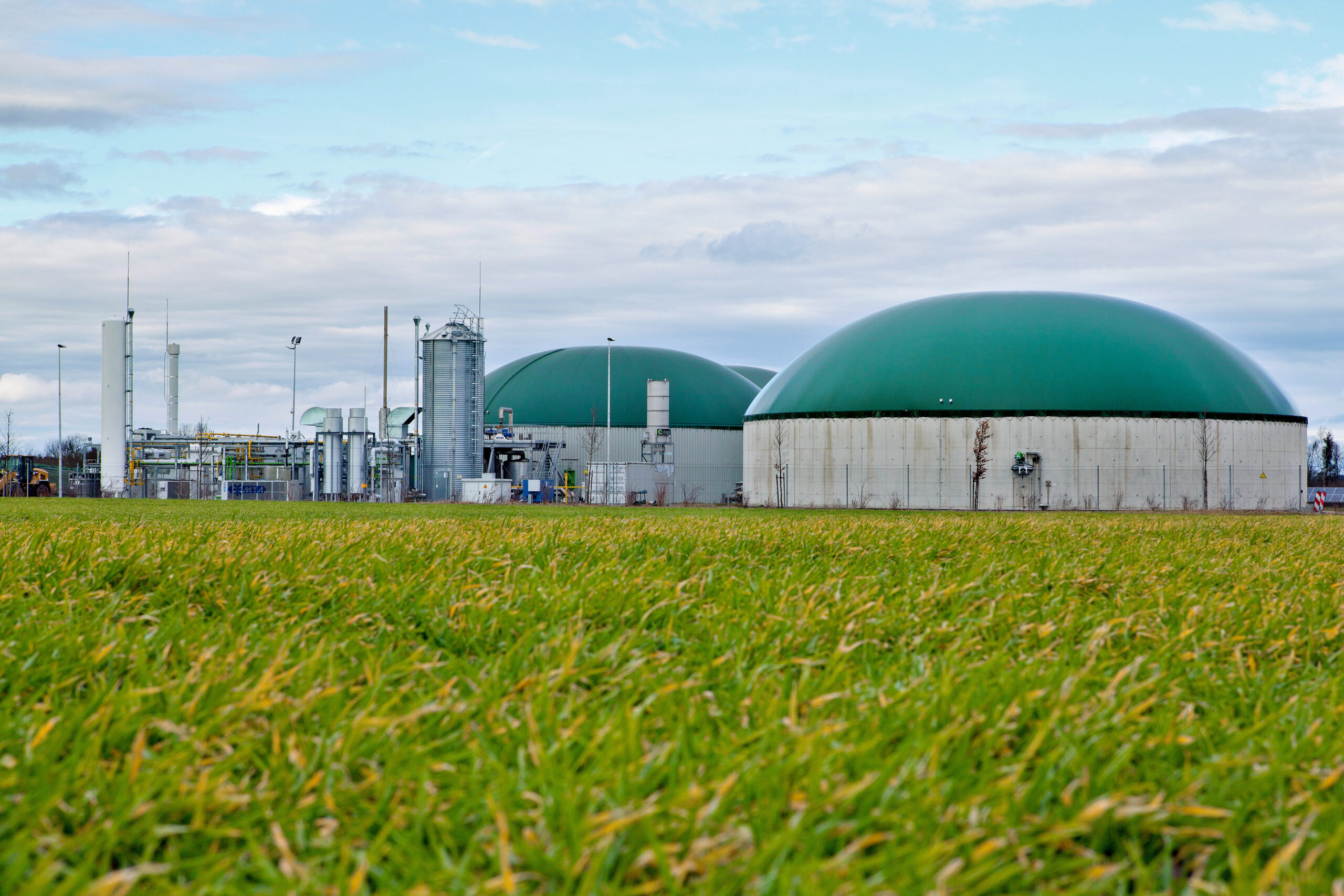
Biogas and renewable natural gas (RNG) projects are unique in energy infrastructure. They blend complex mechanical systems with biological processes that are sensitive to variables like feedstock composition and availability, process temperature, equipment performance and reliability, and operator skill. Given the importance of gas output to a project’s economics, fluctuations in these variables can quickly erode a project’s financial viability.

With any industry that has grown as quickly as renewable energy, safety is sometimes overlooked. The Occupational Safety and Health Administration (“OSHA”) classifies those working in the renewable energy industry as having a “green job.” The hazards of green jobs vary across the renewable energy field, whether in wind, solar, geo-thermal, or biofuel power generation companies. Ultimately, renewable energy companies must address both common workplace hazards and the emerging challenges unique to this developing industry.

The Inflation Reduction Act of 2022 created the ability to transfer production tax credits (“PTC”) to an “eligible taxpayer” pursuant to Section 6418 of the Internal Revenue Code (“IRC”). However, exactly when an eligible taxpayer acquires a PTC is often not clear. Such uncertainty creates fertile ground for disputes, especially in bankruptcy.

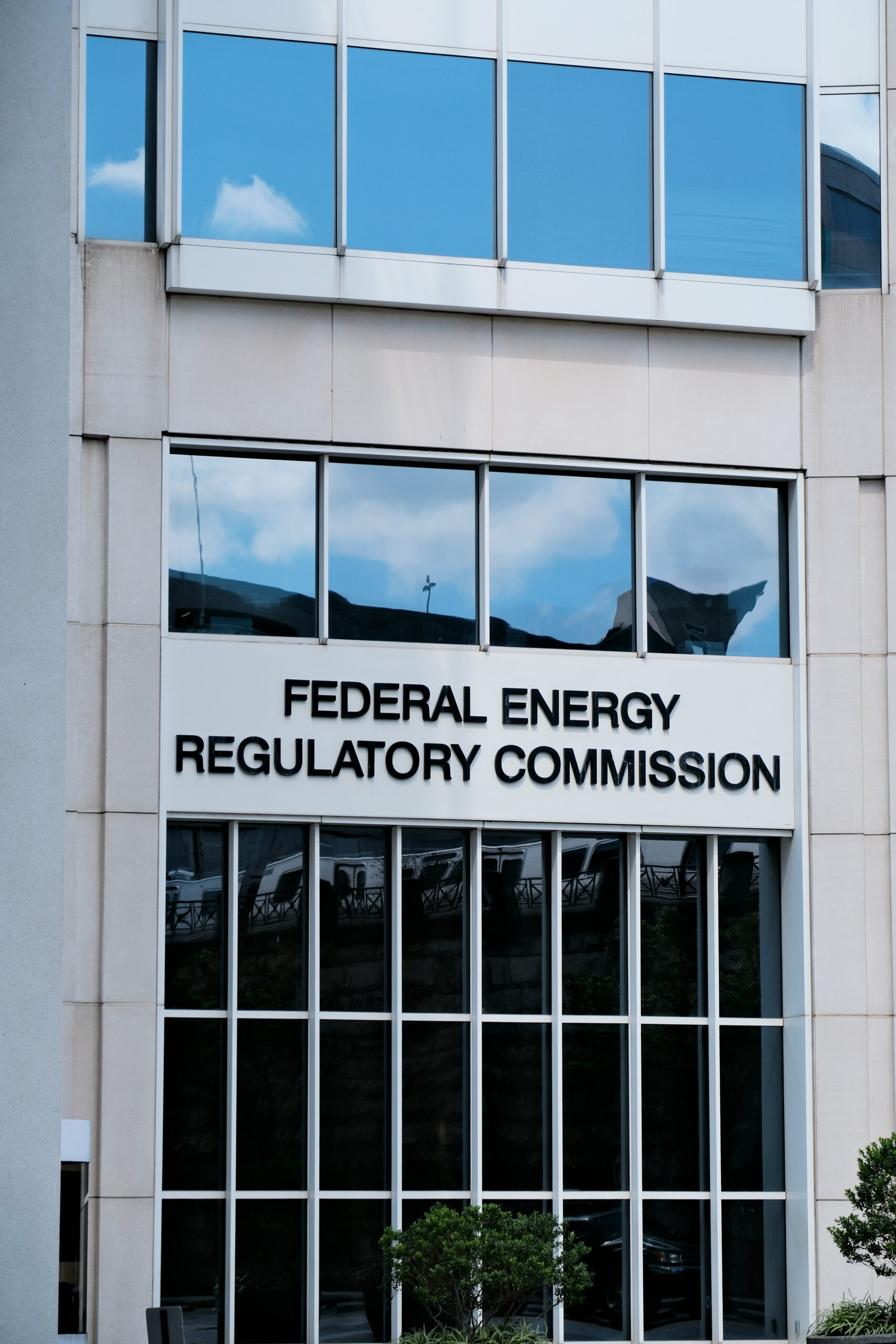
Building natural gas infrastructure should get easier in the future by way of a recent ruling by the Federal Energy Regulatory Commission (FERC or the Commission). On October 7, 2025, FERC issued a Final Rule, entitled “Removal of Regulations Limiting Authorizations to Proceed with Construction Activities Pending Rehearing” (Docket No. RM25-9-000, 193 FERC ¶61,014 (2025)). The new rule rescinds FERC’s prior rule that barred construction on gas infrastructure during project appeals. In doing so, FERC plans to accelerate energy projects to meet the growing demand for energy, due in part to the rapid build-out of data centers.

Public and private financial incentives for the construction and operation of renewable natural gas (RNG) projects have accelerated the growth of the industry over the past several years. While much of the RNG industry’s focus recently (for good reason) has been on qualifying for federal tax credits under the Inflation Reduction Act or state tax credits under programs like California’s Low Carbon Fuel Standard, there has been less emphasis on the voluntary credit market for private parties. However, with the phase-out of many of these public tax credits, RNG project participants are taking a closer look at the voluntary market.

The Clean Fuels Credit, codified under 26 U.S. Code Section 45Z, has quickly become a central focus for businesses pursuing opportunities in the evolving energy sector. Designed to incentivize the production of cleaner transportation fuels, this credit not only benefits fuel producers but has also started attracting interest from companies seeking to purchase credits under the transferability provisions of 26 U.S. Code Section 6418. Initially introduced as part of the Inflation Reduction Act (IRA), the Clean Fuels Credit stands out as one of the few tax incentives that received an extension through 2029 under the One Big Beautiful Bill Act (OBBBA). As the regulatory landscape continues to shift, it is essential for companies to understand both the strategic advantages and the legal requirements associated with this incentive.

With the rise of “Protein Maxing” among biohackers, fitness influencers, and health-conscious consumers, a major controversy has emerged that could seriously impact both consumers and protein supplement brands. A recent Consumer Reports article revealed that many popular protein supplement brands contain dangerous ingredients—most notably, lead—at levels that can pose serious health risks with regular consumption. As awareness grows, lawsuits, legal fees, and liabilities for supplement brands are becoming increasingly likely.

With the use of artificial intelligence (AI) in computing applications booming, the need for computing power capable of supporting those applications has exploded, fueling an unprecedented surge in data center development. Those data centers require enormous amounts of power, primarily because of the many graphics processing units (GPUs) they use and the cooling systems those GPUs require. Berkeley Labs estimates that by 2029, data center power demands will account for up to 12 percent of all domestic power consumption.

Meeting the energy demands created by the supercharged pace of data center expansion will require the coordination and utilization of multiple energy types; no single energy type is expected to meet forecasted data center energy needs alone. As data center development skyrockets to meet AI power needs, the expansion of reliable, dispatchable power options will become increasingly important.

On June 2, 2025, the U.S. Food and Drug Administration (FDA) announced the deployment of its own artificial intelligence system, “Elsa.” The large language model-powered system was scheduled for full-scale implementation across the agency by June 30, 2025. Initially piloted for FDA scientific reviewers, Elsa is intended to streamline internal processes and increase operational efficiency within the agency.