
Photo of Richard Bonnifield

Richard Bonnifield

Rich draws on more than four decades of experience in energy law—including stints in-house at a major public utility company and within the Federal Energy Regulatory Commission (FERC)—to provide developers, independent power producers, and utility companies with strategic legal advice.

In a March 6, 2026 order (the Order), the Federal Energy Regulatory Commission (FERC or the Commission) reshaped how PJM Interconnection, L.L.C. (PJM) allocates transmission project costs. Consol. Edison Co. of New York, Inc. et al., 194 FERC ¶ 61,179 (2026) (Docket Nos. EL15-18-005, EL 15-67-005, EL 17-68-003, ER 17-950-006, EL21-39, ER22-1606, and ER22-1606). The Commission eliminated PJM’s long‑standing de minimis threshold exemption—a rule that arguably shielded large load zones from paying for certain transmission upgrades despite significant usage—after the U.S. Court of Appeals for the District of Columbia (the Court) found the exemption violated cost‑causation principles. Consol. Edison Co. of New York, Inc. v. FERC, 45 F.4th 265 (D.C. Cir. 2022). As a result, FERC opened the door to an estimated $1 billion in refunds (including interest) and re-billing stretching back more than a decade.
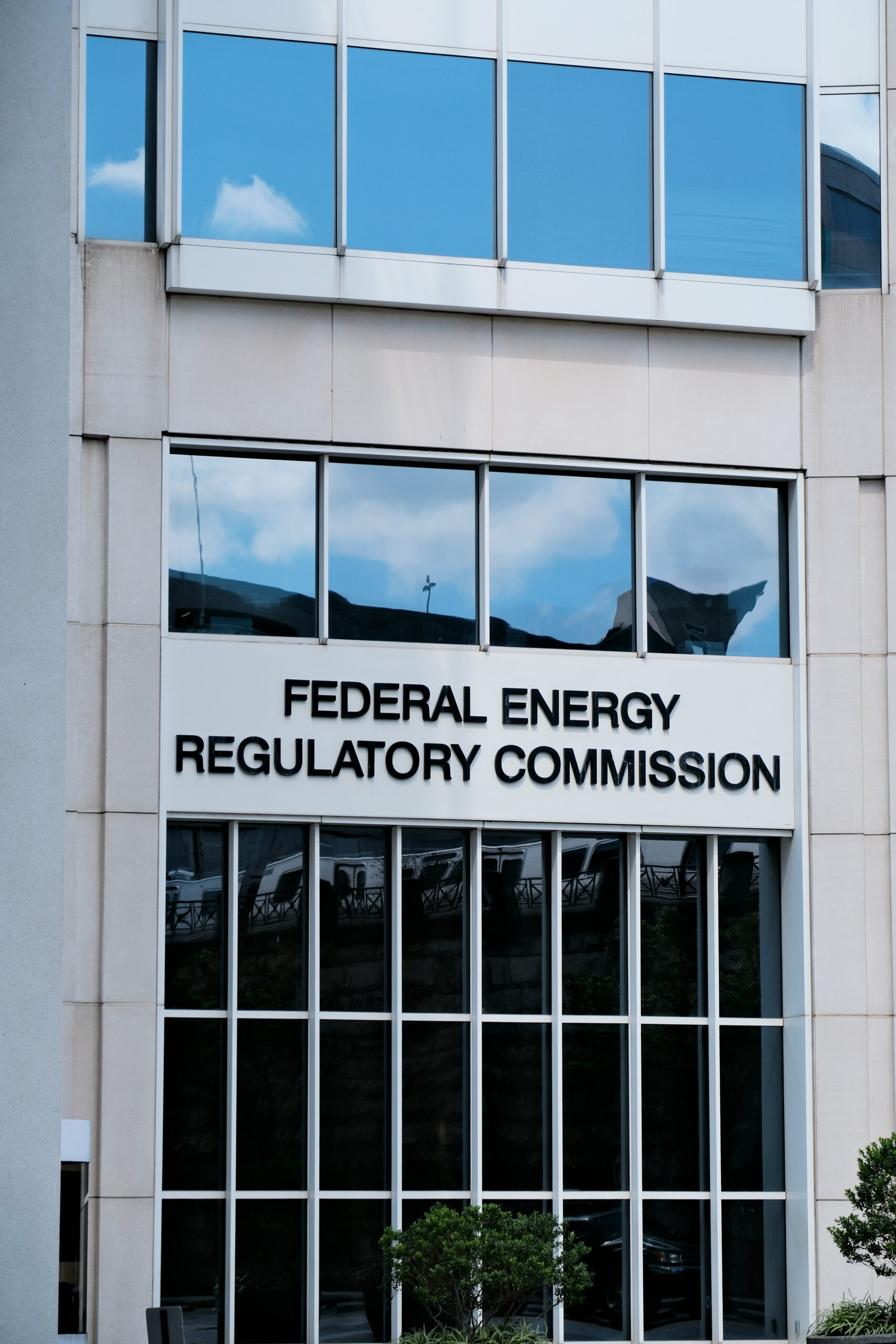
At the Federal Energy Regulatory Commission’s (“FERC” or the “Commission”) monthly open meeting on February 19, 2026, the Commission reaffirmed that it will not reinstate its ban on gas pipeline work during appeals.

Building natural gas infrastructure should get easier in the future by way of a recent ruling by the Federal Energy Regulatory Commission (FERC or the Commission). On October 7, 2025, FERC issued a Final Rule, entitled “Removal of Regulations Limiting Authorizations to Proceed with Construction Activities Pending Rehearing” (Docket No. RM25-9-000, 193 FERC ¶61,014 (2025)). The new rule rescinds FERC’s prior rule that barred construction on gas infrastructure during project appeals. In doing so, FERC plans to accelerate energy projects to meet the growing demand for energy, due in part to the rapid build-out of data centers.