
Investment into data centers continues to increase significantly as the country builds out infrastructure to accommodate the digital economy and growth of artificial intelligence. Many states, including Texas, have now implemented various tax incentives to encourage investment in the state while simultaneously grappling with the taxable aspects of data center fuel. In November 2025, the
Senate Version of One Big Beautiful Bill Act Clarifies Foreign Entity Restrictions on Renewable Energy Tax Credits

The Senate Finance Committee recently released its own draft of the “One Big Beautiful Bill Act” (the Bill) previously passed by the House as H.R. 1. Both the House and Senate versions of the Bill impose restrictions on Inflation Reduction Act (IRA) tax credits based on “material assistance” from “Foreign Entities of Concern” (FEOCs). The House version lacked significant details on what “material assistance” was. The Senate Bill provides significant details on the structure and operation of the restrictions.
Steep Phase-Out of Wind and Solar Tax Credits in Draft Bill Text Released by Senate Finance Committee

On June 16, 2025, the Senate Finance Committee released its version of the “One, Big Beautiful Bill” (OBBB) that would create a steep phase-out of renewable energy tax credits—notably, renewable energy companies would have to start construction on wind and solar projects before December 31, 2025, to receive 100% of the available tax credits. The reconciliation process is far from over, and there are further revisions expected to the text, but the Senate Finance Committee is the final committee in the Senate expected to release legislative text related to energy tax credits.
Its version of the bill includes the following provisions.

Executive and Legislative Developments Impacting Renewable Energy
Proposed changes to Inflation Reduction Act tax credits, solar tariffs, restrictions on wind energy, orders promoting fossil fuels, and a push for energy-related deregulation are just a few of the executive and legislative actions impacting renewable energy that have arisen at the federal, state, and local levels since President Donald Trump took office. We have
Green Hydrogen Development and Site Control

On April 30, 2024, the Department of the Treasury issued final regulations on tax credit transfers that allow hydrogen producers to sell tax credits earned under § 45V of the Inflation Reduction Act (IRA). Section 6418 of the Internal Revenue Code and the final regulation issued thereunder allow credit purchasers to use purchased credits to offset their tax liability. Credit sellers will be able to sell credits that they would not otherwise be able to use due to insufficient tax liability. Given such powerful incentives, many energy producers are wondering how to add “green” hydrogen (discussed below) to their portfolios by powering hydrogen facilities with wind turbines and solar panels. Here, we discuss what wind and solar producers should keep in mind as they plan, negotiate, and begin developing hydrogen plants powered by renewable energy, with a particular focus on site control.
Green Hydrogen Tax Credit: 45V Answers Expected Soon
The future of the green hydrogen industry in the United States will become a bit clearer in the coming weeks. Comments on the proposed hydrogen tax credits in 26 USC 45V were due by February 26, 2024, and will be discussed at a public hearing scheduled for March 25, 2024. This hearing will provide the public a clearer prediction of 45V’s final form.
Proposed 45V Rule Could Curb Emissions but Restrict PTC Access
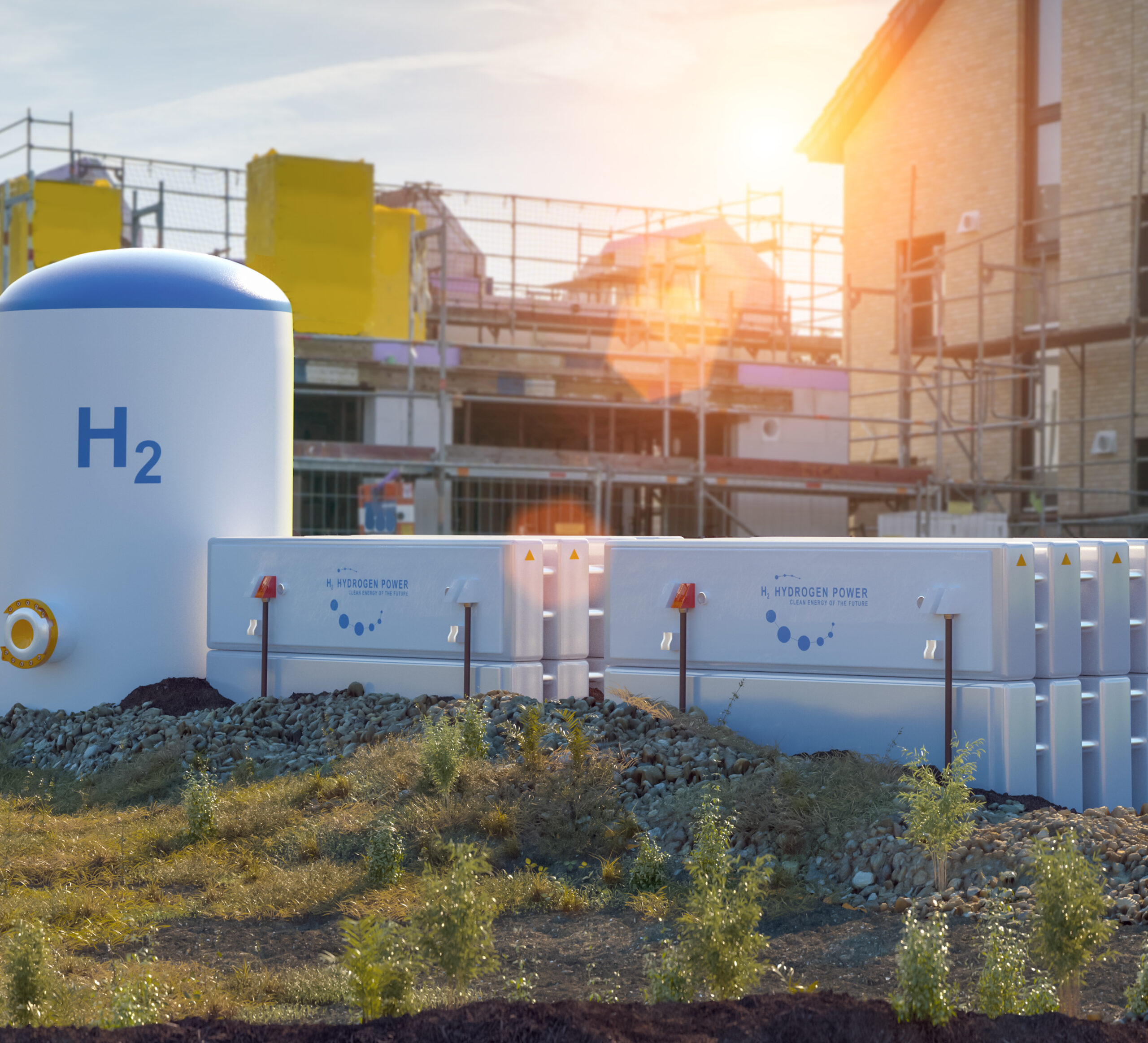
On December 22, 2023, the U.S. Department of the Treasury (DOT) released a Notice of Proposed Rulemaking (NPRM) meant to address several issues associated with the Clean Hydrogen Production Tax Credit (PTC) established via Section 45V of the Inflation Reduction Act of 2022 (IRA). This article provides a brief overview of the proposed rules.