Data Centers

On January 14, 2026, the Federal Energy Regulatory Commission (FERC) accepted new rules proposed by Southwest Power Pool, Inc. (SPP) regarding the interconnection of High Impact Large Loads (HILLs) and the interconnection of new generation facilities that will be used to serve them, called High Impact Large Load Generation Assessment (HILLGA) in Docket No. ER26-247. This order, along with the recent order directing PJM Interconnection, L.L.C. (PJM) to propose rules for Co-Located generation and large loads, offer the first glimpse into how FERC will address the challenges facing the nation’s electricity grid. These include balancing resource adequacy, grid reliability, and fair cost allocation for any needed grid expansions to accommodate new AI-driven data centers.
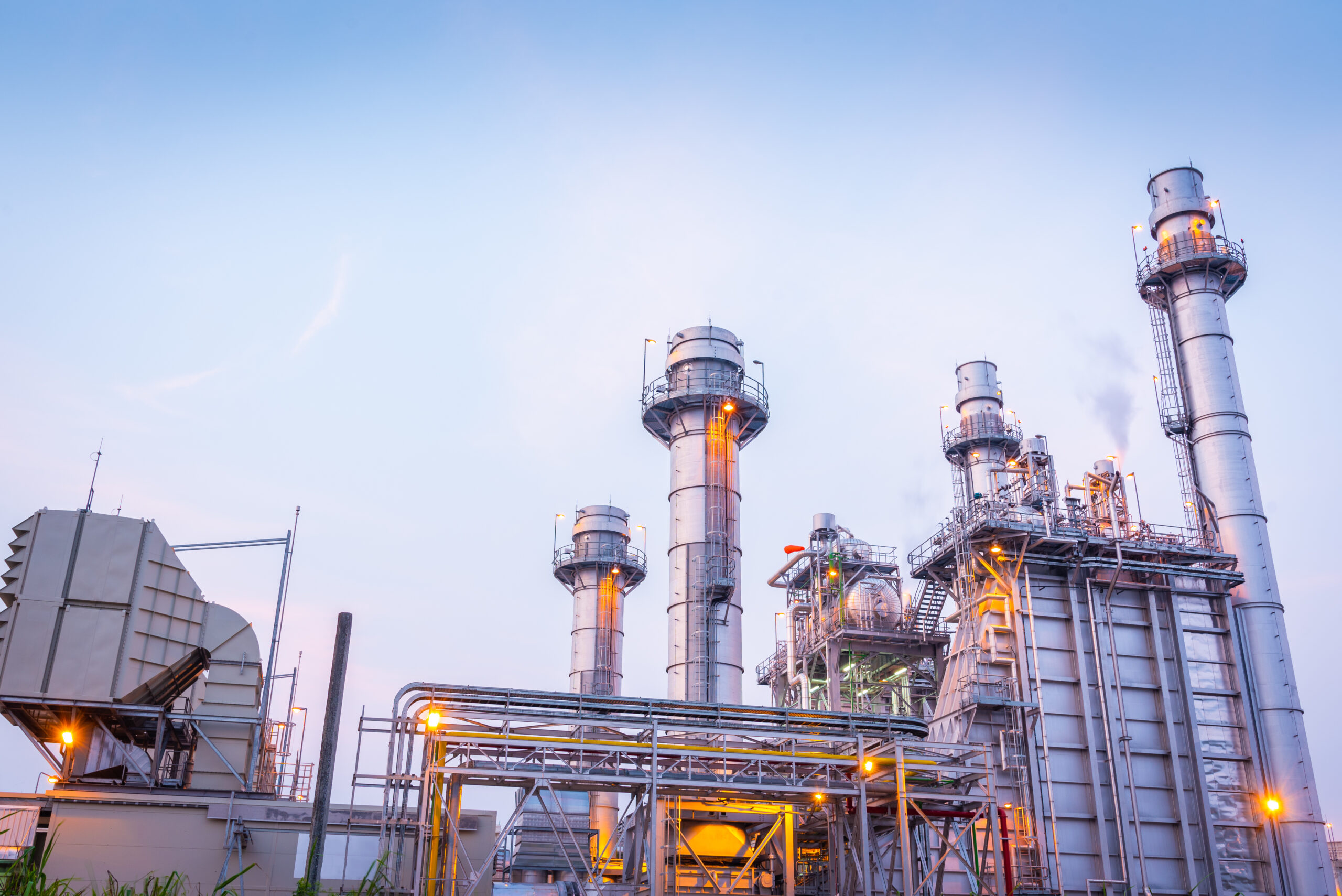
Investment into data centers continues to increase significantly as the country builds out infrastructure to accommodate the digital economy and growth of artificial intelligence. Many states, including Texas, have now implemented various tax incentives to encourage investment in the state while simultaneously grappling with the taxable aspects of data center fuel. In November 2025, the

Although the use of a shared facilities agreement (SFA) for co-located energy projects is not a new concept, their use has increased significantly in recent years due to the rise in co-located generation, storage, and load infrastructure, particularly in the case of data centers. In general, an SFA grants each party a co-tenancy ownership interest in certain shared facilities, subject to detailed management, operations, and cost-sharing provisions, among other considerations.

Given the increasing frequency of their use, owners, operators, financing parties, and developers should understand when, why, and how SFAs can (or should) be used to avoid potential regulatory, operational, or cost-allocation issues with co-located projects.

On December 18, 2025, the Federal Energy Regulatory Commission (FERC) directed PJM Interconnection, L.L.C. (PJM) to create new rules around the co-location of generation and data centers (FERC’s Dec. 18, 2025 Order, Docket Nos. EL25-49, AD24-11, EL25-20). With several proceedings pending at the Commission to address the growing demand for energy from large load entities—including major rulemaking proceeding directed by the Department of Energy (DOE) on October 23, 2025—FERC’s December 18 order offers the first window into how the Commission will address the challenges facing the nation’s electricity grid. These challenges include balancing resource adequacy, grid reliability, and fair cost allocation for any needed grid expansions to accommodate new AI-driven data centers. FERC is expected to issue a proposed rulemaking in the coming weeks with additional guidance on how it plans to shape the future of data center development in the U.S.
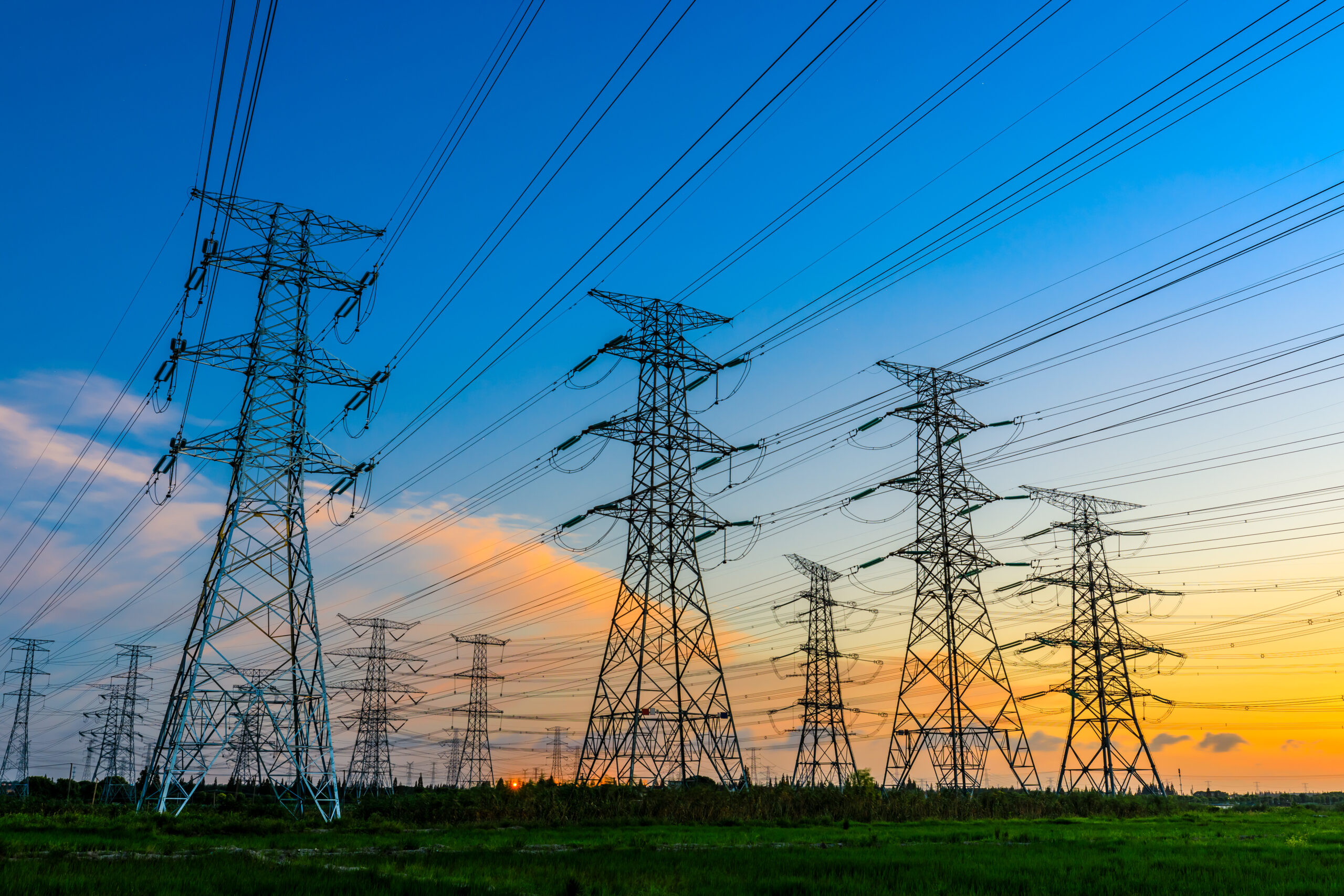
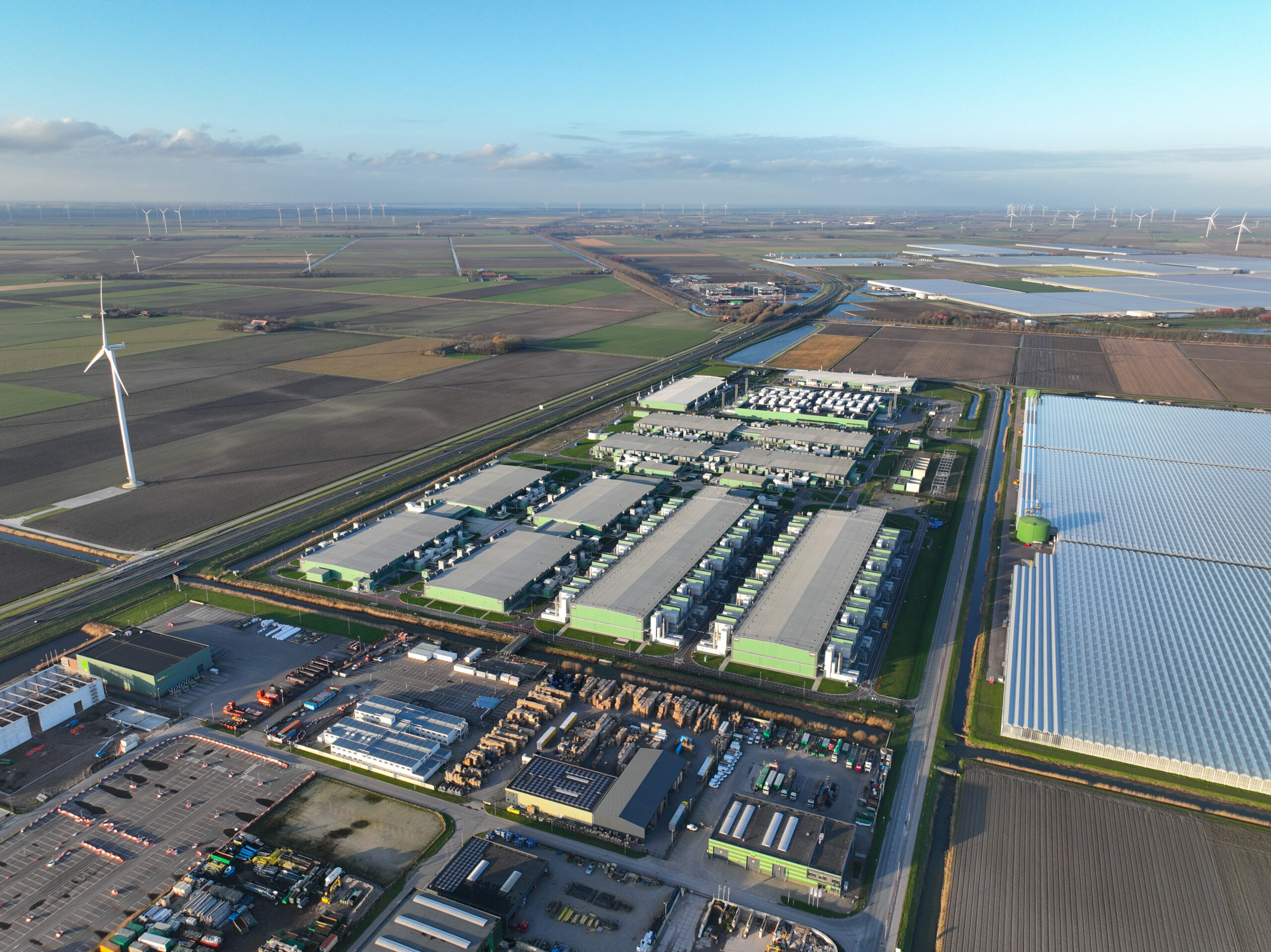
With the use of artificial intelligence (AI) in computing applications booming, the need for computing power capable of supporting those applications has exploded, fueling an unprecedented surge in data center development. Those data centers require enormous amounts of power, primarily because of the many graphics processing units (GPUs) they use and the cooling systems those GPUs require. Berkeley Labs estimates that by 2029, data center power demands will account for up to 12 percent of all domestic power consumption.

Meeting the energy demands created by the supercharged pace of data center expansion will require the coordination and utilization of multiple energy types; no single energy type is expected to meet forecasted data center energy needs alone. As data center development skyrockets to meet AI power needs, the expansion of reliable, dispatchable power options will become increasingly important.

When the legendary writer John McPhee described a blind, over-the-shoulder basketball shot of the equally legendary Bill Bradley, he fixed on Bradley’s explanation of how he managed to score apparently without looking at the basket. Bradley simply said, “you develop a sense of where you are.” That ‘sense’ allowed him to accomplish his purpose with no immediate idea about how his goal would be affected by events around him.

Industry participants, watchers, and regulators might enquire where we are in the complex but seemingly endless process of modernizing the U.S. electric system. Is the current focus on streamlining regulatory approval processes for infrastructure development generally— and the siting and permitting of electric transmission in particular—a sign that it’s time for the easy stuff since the Rubik’s Cubes of access, planning, cost allocation, and accommodating new technology are approaching resolution? Will this in turn be followed by a surge in electric transmission grid expansion and market integration? Ironically, during the decade of debate over siting and permitting—while policymakers make corridor determinations, run steering committees, and manufacture procedural shortcuts—U.S. transmission construction has declined precipitously. Does this give confidence that we know where we are, where the grid is headed, and how the industry will get there?

Texas has been the top oil and gas producing state in the country since at least the 1970s, today contributing 42% of the nation’s crude oil and 27% of its natural gas.[1] Now, the Lone Star State is also experiencing a boom in renewable energy and data center development thanks to its abundant land, economic incentives, light regulations, and favorable energy prices. However, developers should exercise caution when purchasing or leasing property in Texas for these types of projects, as it is not uncommon to discover that this land may also be home to abandoned or even active oil or gas wells.

At its latest open meeting on February 20, 2025, the Federal Energy Regulatory Commission (FERC) issued an order directing PJM Interconnection, L.L.C. (PJM) and the PJM Transmission Owners (PJM TOs) to demonstrate why the PJM Tariff’s lack of clear rules for co-location arrangements is acceptable or to explain the Tariff changes they would propose to address co-location issues (Show Cause Order). FERC’s Order is focused on the PJM region because there are several contested FERC proceedings involving co-location arrangements in PJM. However, FERC has indicated that it intends to act quickly on co-location arrangements across its jurisdiction. Accordingly, the results of the PJM Show Cause proceeding will likely serve as precedent in other RTO and non-RTO regions under FERC’s jurisdiction. 


The dramatic increase in the use cases for data storage, artificial intelligence and cloud computing have resulted in an atmospheric level rise in the demand for data centers, and the question of providing sufficient power to support those data centers has become paramount. Simultaneously, there has been an increasing emphasis on utilizing green energy as corporations and end-market consumers are seeking ways to reduce greenhouse gas emissions as well as their own carbon footprints. The co-location of data centers with renewable energy projects, such as solar and wind farms, offers a unique opportunity to address both energy needs and sustainability goals.

While co-location may seem straightforward from a real estate or title perspective—akin to a typical commercial ground lease—there are several legal, environmental, and operational factors that developers and stakeholders need to consider before breaking ground. Examining these considerations, including potential environmental concerns, equipment lifespan, energy load implications, and the overall impact of co-location are critical in determining the financial and practical viability of a development project.

Although artificial intelligence (“AI”) dominated financial, technological, and even social conversations in 2024, less attention was paid to the reality that AI’s emergence entails substantial increases in energy demand, specifically electricity. Consider that a single ChatGPT query requires 2.9 watt-hours of electricity, compared to 0.3 watt-hours for a Google search, according to the International Energy Agency. Data centers housing tens of thousands of square feet of computing hardware power AI technology, and Goldman Sachs Research estimates those data centers will see power demand grow 160% by 2030, when these facilities will use an estimated 8% of all U.S. power.