Photo of Madeline Thomas

Madeline Thomas

Maddie is an energy attorney with extensive experience in oil and gas, real estate, renewables, and tax credits.

Maddie handles a variety of transactional matters, including agreements for onshore and offshore oil and gas and renewable energy projects, real property acquisitions and divestitures, and various stages of business transactions. She has also counseled clients on a wide array of corporate issues, including entity formation, governance, winding down and dissolution, and trademark protections and licensing.

Maddie has broad experience in the energy industry. She began her career as an oil and gas title attorney before moving to litigation and eventually transactional work. She has researched and written title opinions; drafted discovery requests and responses, briefs, motions, memoranda and court orders; and drafted and negotiated purchase and sale agreements, leases, easements, joint operating agreements, mineral conveyances and reservations, and numerous other transactional documents for energy clients. She is also familiar with the overlap between energy law and environmental law, specifically as it pertains to carbon capture and sequestration and renewable energy sources, including federal and state regulatory issues that pertain to the energy industry.

Most recently Maddie has focused on renewable energy investments, which allows her to utilize her skills and knowledge of the industry with her experience in mergers and acquisitions, tax equity, due diligence, and real estate transactions. She’s known as a highly knowledgeable transactional attorney with broad energy experience who is trustworthy, easy to reach and pleasant to work with.

Carbon capture and storage (CCS) is rapidly emerging as one of the most consequential areas of energy law and environmental regulation. At its heart sits a technical but critically important regulatory category: the Class VI injection well. These wells are used to inject carbon dioxide into deep rock formations for the purpose of long-term underground storage, making them the cornerstone of any commercial-scale CCS project. For years, permitting authority for Class VI wells located in Texas rested solely with the federal Environmental Protection Agency (EPA), resulting in a process many in the energy industry found slow and uncertain.

That all changed last fall. In November 2025, the State of Texas formally received primary enforcement authority, or “primacy”, for its Class VI Underground Injection Control (UIC) program, granting the Railroad Commission of Texas (RRC) regulatory power over these types of wells and, consequently, the CCS process.

This article examines how Texas achieved this milestone, how the state strategically positioned itself for a seamless transition by accepting applications and fees years in advance, and the status of those permit applications today.
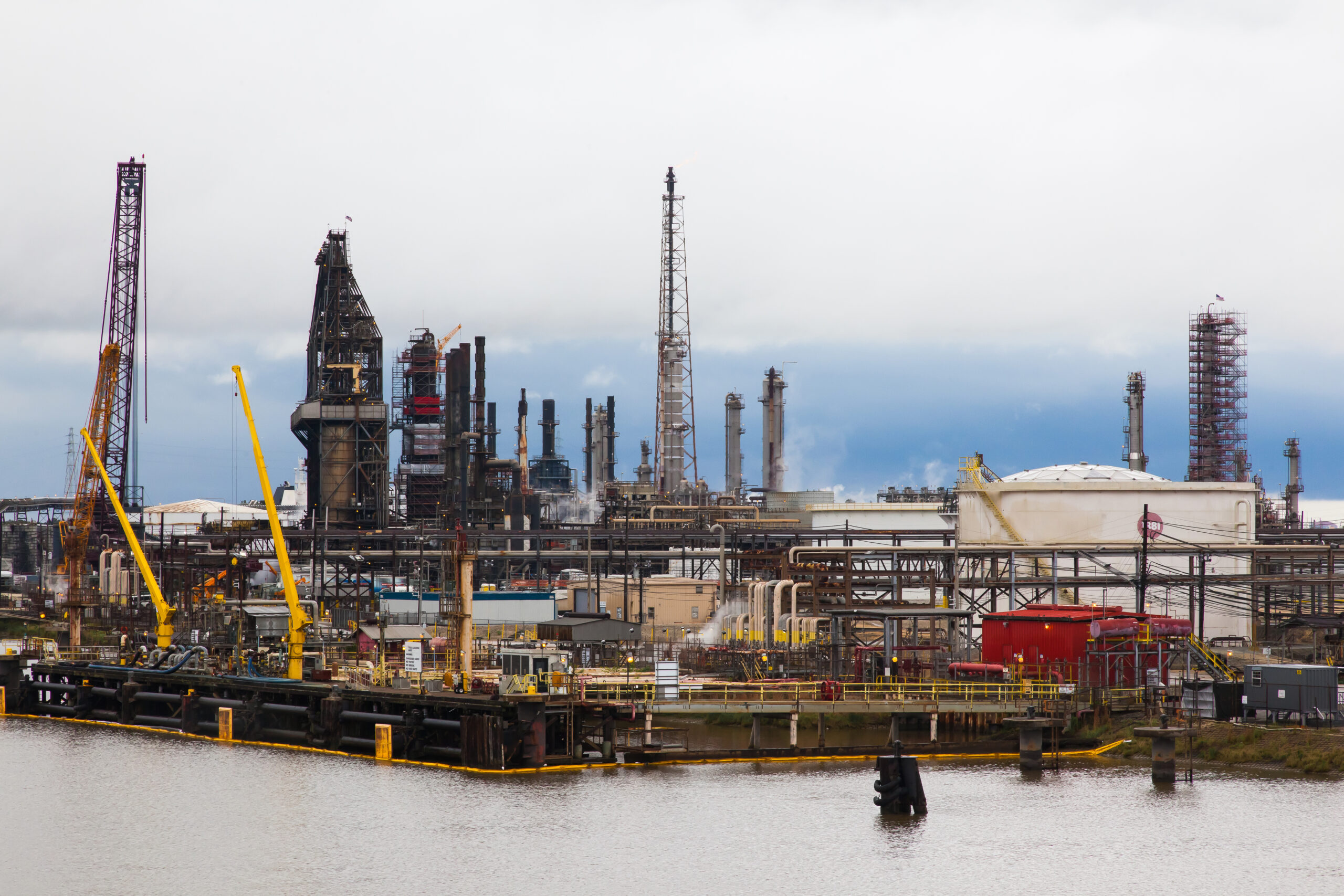
Texas has been the top oil and gas producing state in the country since at least the 1970s, today contributing 42% of the nation’s crude oil and 27% of its natural gas.[1] Now, the Lone Star State is also experiencing a boom in renewable energy and data center development thanks to its abundant land, economic incentives, light regulations, and favorable energy prices. However, developers should exercise caution when purchasing or leasing property in Texas for these types of projects, as it is not uncommon to discover that this land may also be home to abandoned or even active oil or gas wells.

Carbon capture and sequestration (CCS) is a highly effective means of reducing carbon dioxide (CO₂) emissions and mitigating climate change. This process, which has been utilized for decades, involves capturing CO₂ from sources like natural gas-fired power plants and then transporting it to underground storage facilities. The captured CO₂ is stored or sequestered in pore spaces of subsurface formations. A “pore space” in this context is typically defined as a subsurface cavity or void, whether naturally or artificially created, that can be used as a storage space CO₂.