Renewable Energy & Clean Fuels

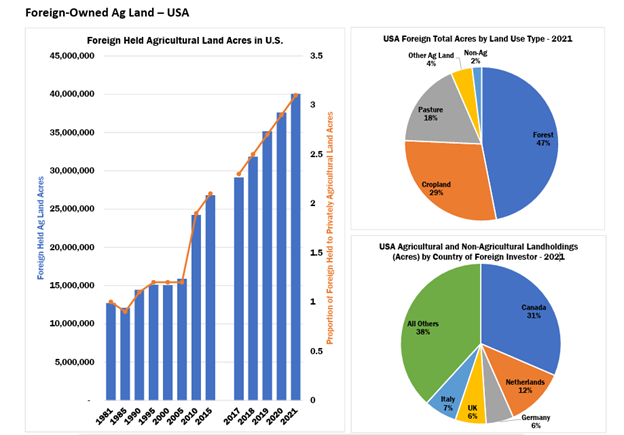
In recent years, the U.S. government has become increasingly concerned about foreign ownership of agricultural land. According to the most recent U.S. Department of Agriculture (USDA) report, foreign owners (primarily Canadian) hold an interest in nearly 45 million acres of U.S. agricultural land.

Solar developers contend with a wide array of challenges, from competing for viable project sites to combatting disinformation surrounding the expansion of clean energy development. With demand for energy rapidly growing across the nation, considering a full suite of project designs allows developers to put their best foot forward when collaborating with local stakeholders.

Although the use of a shared facilities agreement (SFA) for co-located energy projects is not a new concept, their use has increased significantly in recent years due to the rise in co-located generation, storage, and load infrastructure, particularly in the case of data centers. In general, an SFA grants each party a co-tenancy ownership interest in certain shared facilities, subject to detailed management, operations, and cost-sharing provisions, among other considerations.

Given the increasing frequency of their use, owners, operators, financing parties, and developers should understand when, why, and how SFAs can (or should) be used to avoid potential regulatory, operational, or cost-allocation issues with co-located projects.

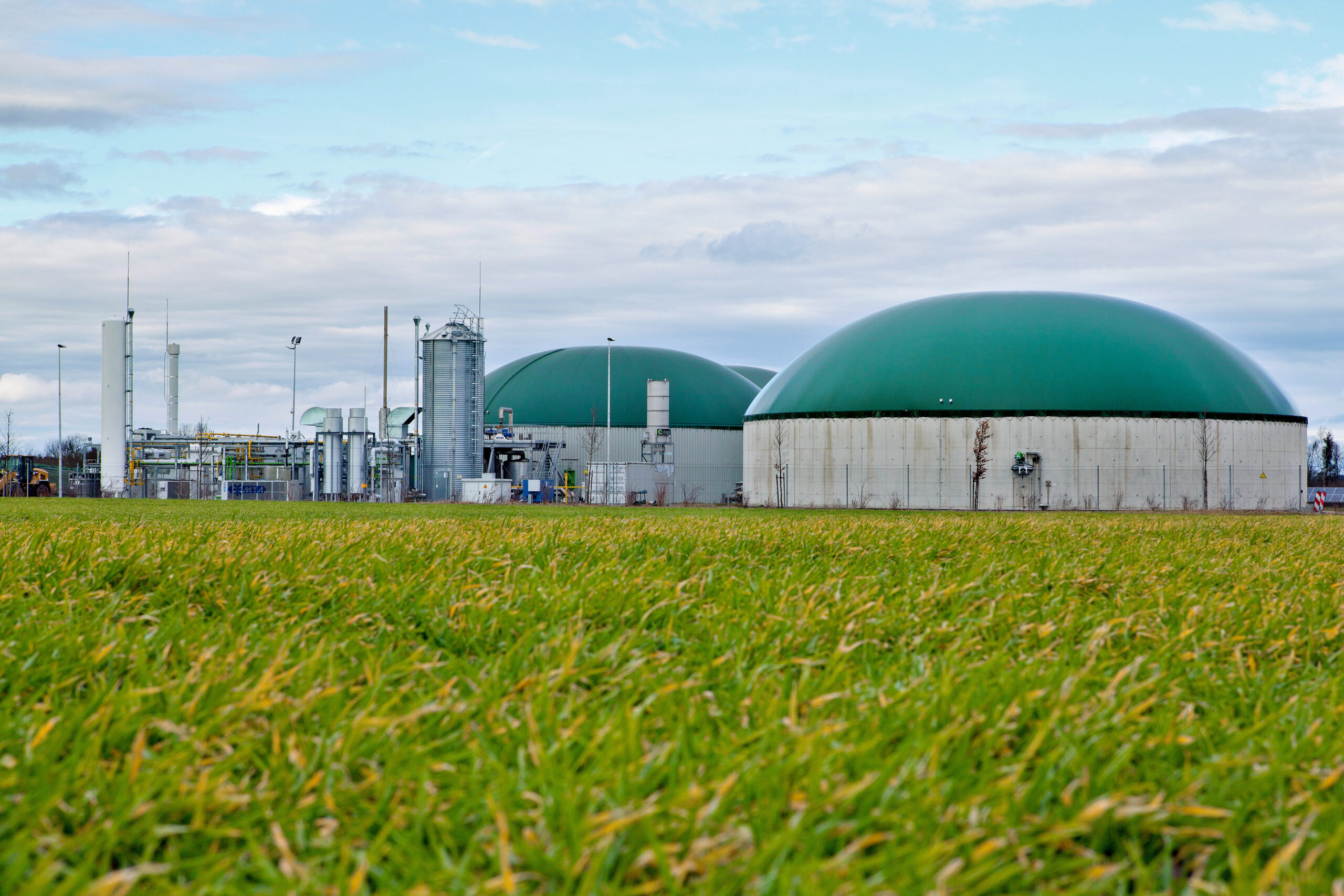
Biogas and renewable natural gas (RNG) projects are unique in energy infrastructure. They blend complex mechanical systems with biological processes that are sensitive to variables like feedstock composition and availability, process temperature, equipment performance and reliability, and operator skill. Given the importance of gas output to a project’s economics, fluctuations in these variables can quickly erode a project’s financial viability.

Public and private financial incentives for the construction and operation of renewable natural gas (RNG) projects have accelerated the growth of the industry over the past several years. While much of the RNG industry’s focus recently (for good reason) has been on qualifying for federal tax credits under the Inflation Reduction Act or state tax credits under programs like California’s Low Carbon Fuel Standard, there has been less emphasis on the voluntary credit market for private parties. However, with the phase-out of many of these public tax credits, RNG project participants are taking a closer look at the voluntary market.

The Clean Fuels Credit, codified under 26 U.S. Code Section 45Z, has quickly become a central focus for businesses pursuing opportunities in the evolving energy sector. Designed to incentivize the production of cleaner transportation fuels, this credit not only benefits fuel producers but has also started attracting interest from companies seeking to purchase credits under the transferability provisions of 26 U.S. Code Section 6418. Initially introduced as part of the Inflation Reduction Act (IRA), the Clean Fuels Credit stands out as one of the few tax incentives that received an extension through 2029 under the One Big Beautiful Bill Act (OBBBA). As the regulatory landscape continues to shift, it is essential for companies to understand both the strategic advantages and the legal requirements associated with this incentive.

With the use of artificial intelligence (AI) in computing applications booming, the need for computing power capable of supporting those applications has exploded, fueling an unprecedented surge in data center development. Those data centers require enormous amounts of power, primarily because of the many graphics processing units (GPUs) they use and the cooling systems those GPUs require. Berkeley Labs estimates that by 2029, data center power demands will account for up to 12 percent of all domestic power consumption.

Meeting the energy demands created by the supercharged pace of data center expansion will require the coordination and utilization of multiple energy types; no single energy type is expected to meet forecasted data center energy needs alone. As data center development skyrockets to meet AI power needs, the expansion of reliable, dispatchable power options will become increasingly important.

As the energy landscape continues to evolve, so too does the regulatory framework governing it. Texas House Bills 3809 and 3228 introduce significant changes to the decommissioning and recycling requirements for Battery Energy Storage Facilities (“BESFs”), Solar Power Facilities, and Wind Power Facilities in Texas. This legislation, effective for agreements entered into on or after September 1, 2025, mandates specific obligations for the removal and recycling of facility components. Here’s what you need to know to ensure compliance in your lease agreements.

As renewable energy development sweeps across rural and agricultural landscapes, developers are encountering a growing legal and logistical challenge: severed estates. These occur when surface rights and mineral rights are owned by different parties—a common situation in many energy-rich regions.

While renewable energy projects are designed to provide clean power and long-term value, severed estates can introduce uncertainty and risk. This article provides a structured approach to understanding and managing severed estates, so your projects stay on track and in legal compliance.