Regulatory & Legislative

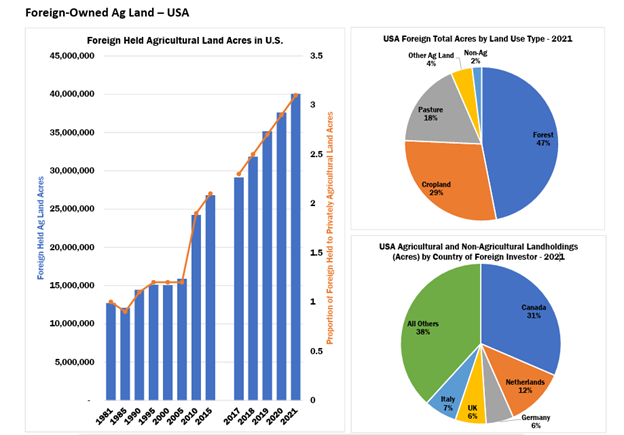
In recent years, the U.S. government has become increasingly concerned about foreign ownership of agricultural land. According to the most recent U.S. Department of Agriculture (USDA) report, foreign owners (primarily Canadian) hold an interest in nearly 45 million acres of U.S. agricultural land.

Investment into data centers continues to increase significantly as the country builds out infrastructure to accommodate the digital economy and growth of artificial intelligence. Many states, including Texas, have now implemented various tax incentives to encourage investment in the state while simultaneously grappling with the taxable aspects of data center fuel. In November 2025, the

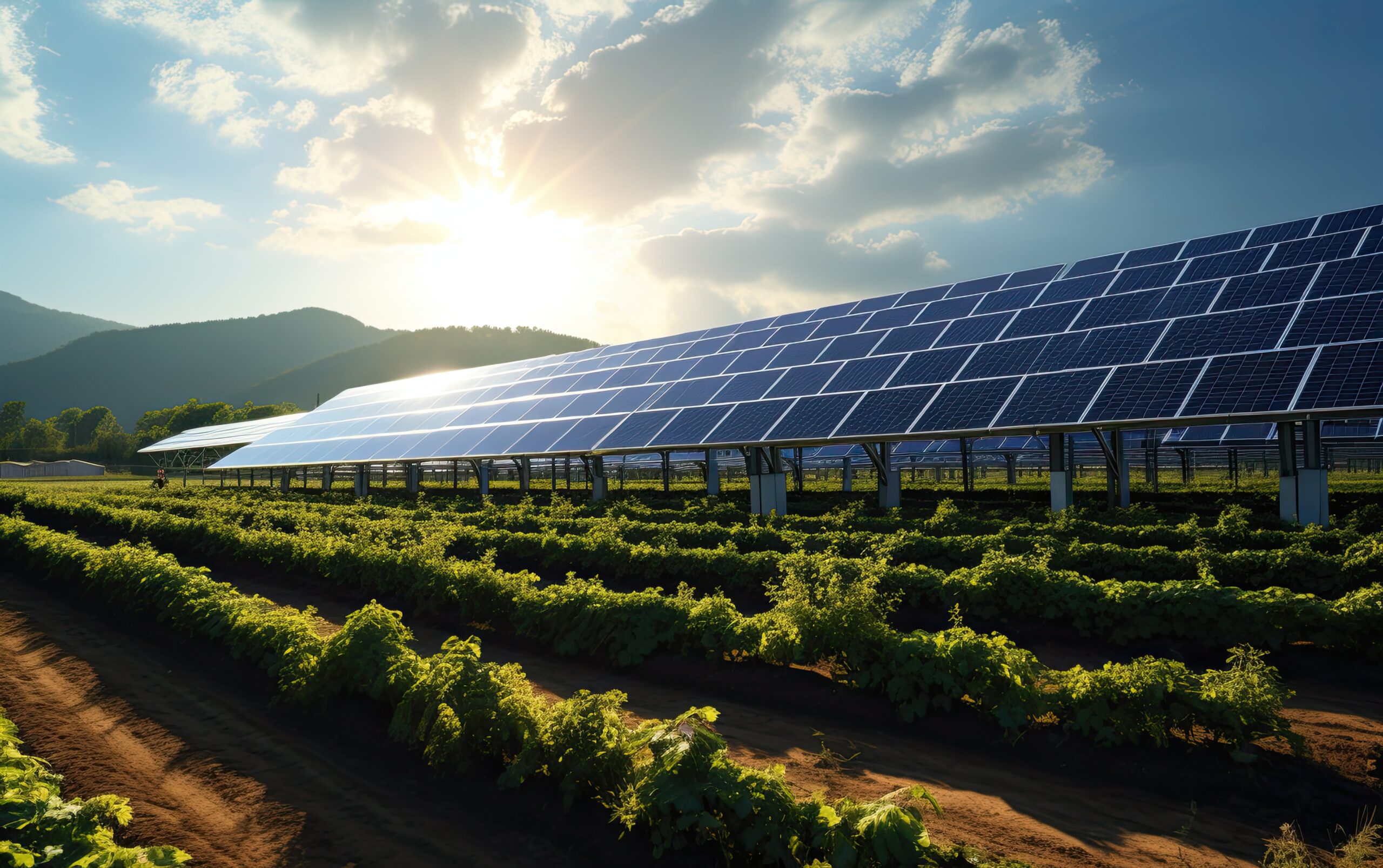
Solar developers contend with a wide array of challenges, from competing for viable project sites to combatting disinformation surrounding the expansion of clean energy development. With demand for energy rapidly growing across the nation, considering a full suite of project designs allows developers to put their best foot forward when collaborating with local stakeholders.

Although the use of a shared facilities agreement (SFA) for co-located energy projects is not a new concept, their use has increased significantly in recent years due to the rise in co-located generation, storage, and load infrastructure, particularly in the case of data centers. In general, an SFA grants each party a co-tenancy ownership interest in certain shared facilities, subject to detailed management, operations, and cost-sharing provisions, among other considerations.

Given the increasing frequency of their use, owners, operators, financing parties, and developers should understand when, why, and how SFAs can (or should) be used to avoid potential regulatory, operational, or cost-allocation issues with co-located projects.

Companies’ obligations to identify and disclose climate-related financial risks and climate data have become increasingly complex in recent years, both at the state and federal levels. The fate of federal climate disclosure rules remains unclear, with the Securities and Exchange Commission (SEC), other federal agencies, and the courts deferring action. Meanwhile, some states, such as California, are stepping in with their own robust requirements.

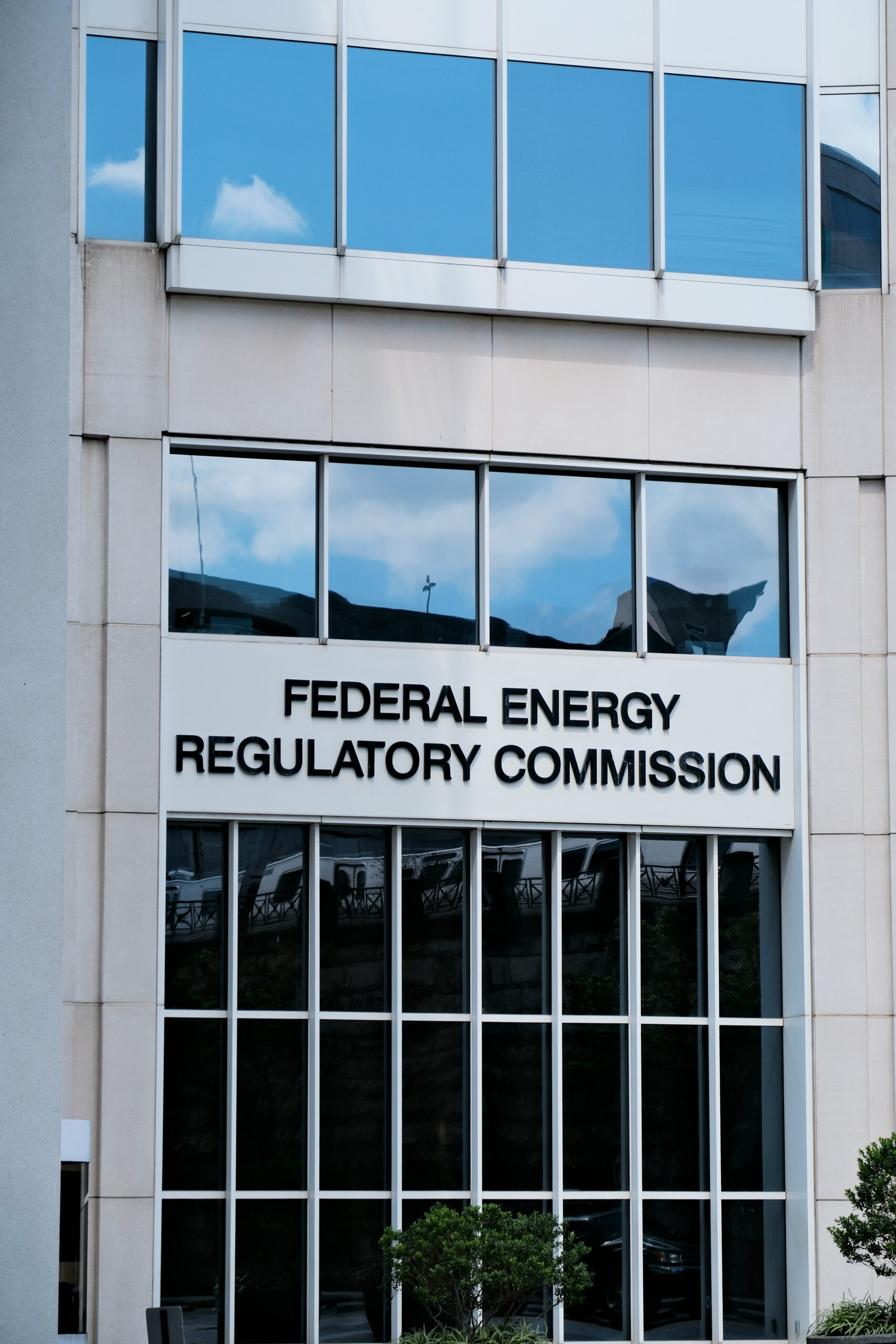
On December 18, 2025, the Federal Energy Regulatory Commission (FERC) directed PJM Interconnection, L.L.C. (PJM) to create new rules around the co-location of generation and data centers (FERC’s Dec. 18, 2025 Order, Docket Nos. EL25-49, AD24-11, EL25-20). With several proceedings pending at the Commission to address the growing demand for energy from large load entities—including major rulemaking proceeding directed by the Department of Energy (DOE) on October 23, 2025—FERC’s December 18 order offers the first window into how the Commission will address the challenges facing the nation’s electricity grid. These challenges include balancing resource adequacy, grid reliability, and fair cost allocation for any needed grid expansions to accommodate new AI-driven data centers. FERC is expected to issue a proposed rulemaking in the coming weeks with additional guidance on how it plans to shape the future of data center development in the U.S.

With any industry that has grown as quickly as renewable energy, safety is sometimes overlooked. The Occupational Safety and Health Administration (“OSHA”) classifies those working in the renewable energy industry as having a “green job.” The hazards of green jobs vary across the renewable energy field, whether in wind, solar, geo-thermal, or biofuel power generation companies. Ultimately, renewable energy companies must address both common workplace hazards and the emerging challenges unique to this developing industry.

In a significant legal development, a recent appellate court ruling upheld a lower court’s decision invalidating certain tariffs imposed by the United States under the International Emergency Economic Powers Act (IEEPA). This ruling has set the stage for the U.S. Supreme Court to hear oral arguments in November, a case that could have profound legal and economic implications depending on the outcome.

When the legendary writer John McPhee described a blind, over-the-shoulder basketball shot of the equally legendary Bill Bradley, he fixed on Bradley’s explanation of how he managed to score apparently without looking at the basket. Bradley simply said, “you develop a sense of where you are.” That ‘sense’ allowed him to accomplish his purpose with no immediate idea about how his goal would be affected by events around him.

Industry participants, watchers, and regulators might enquire where we are in the complex but seemingly endless process of modernizing the U.S. electric system. Is the current focus on streamlining regulatory approval processes for infrastructure development generally— and the siting and permitting of electric transmission in particular—a sign that it’s time for the easy stuff since the Rubik’s Cubes of access, planning, cost allocation, and accommodating new technology are approaching resolution? Will this in turn be followed by a surge in electric transmission grid expansion and market integration? Ironically, during the decade of debate over siting and permitting—while policymakers make corridor determinations, run steering committees, and manufacture procedural shortcuts—U.S. transmission construction has declined precipitously. Does this give confidence that we know where we are, where the grid is headed, and how the industry will get there?