In an industry full of buzzwords, “adaptogens” and “nootropics” are current standouts within the beverage industry.

The beverage industry experienced a significant shift in consumer preference following the COVID-19 pandemic, as consumers’ proclivity for nutrient-rich foods stimulated a rise in beverages designed to provide added health benefits, such as increasing energy, decreasing stress, and improving overall mental health. The increased popularity of these “functional beverages” (i.e., beverages that provide added health benefits) is more than a fleeting trend, as the industry is projected to reach $62 billion by 2027.

Marketers of yogurt products may celebrate the latest approval by the Food and Drug Administration (“FDA”) of a new qualified health claim related to the consumption of yogurt and type 2 diabetes. However, producers of such products should also be cautious in presenting these claims on product labeling so as not to run afoul of limitations imposed by FDA related to this new qualified health claim.


The future of the green hydrogen industry in the United States will become a bit clearer in the coming weeks. Comments on the proposed hydrogen tax credits in 26 USC 45V were due by February 26, 2024, and will be discussed at a public hearing scheduled for March 25, 2024. This hearing will provide the public a clearer prediction of 45V’s final form.

On March 6, 2024, the Securities and Exchange Commission (“SEC”) adopted rules requiring registrants to disclose certain climate data in annual reports.

The rules were originally proposed in 2022, and the final language adopted scales back some of the earlier proposal’s more onerous reporting requirements (including Scope 3 emissions reporting).

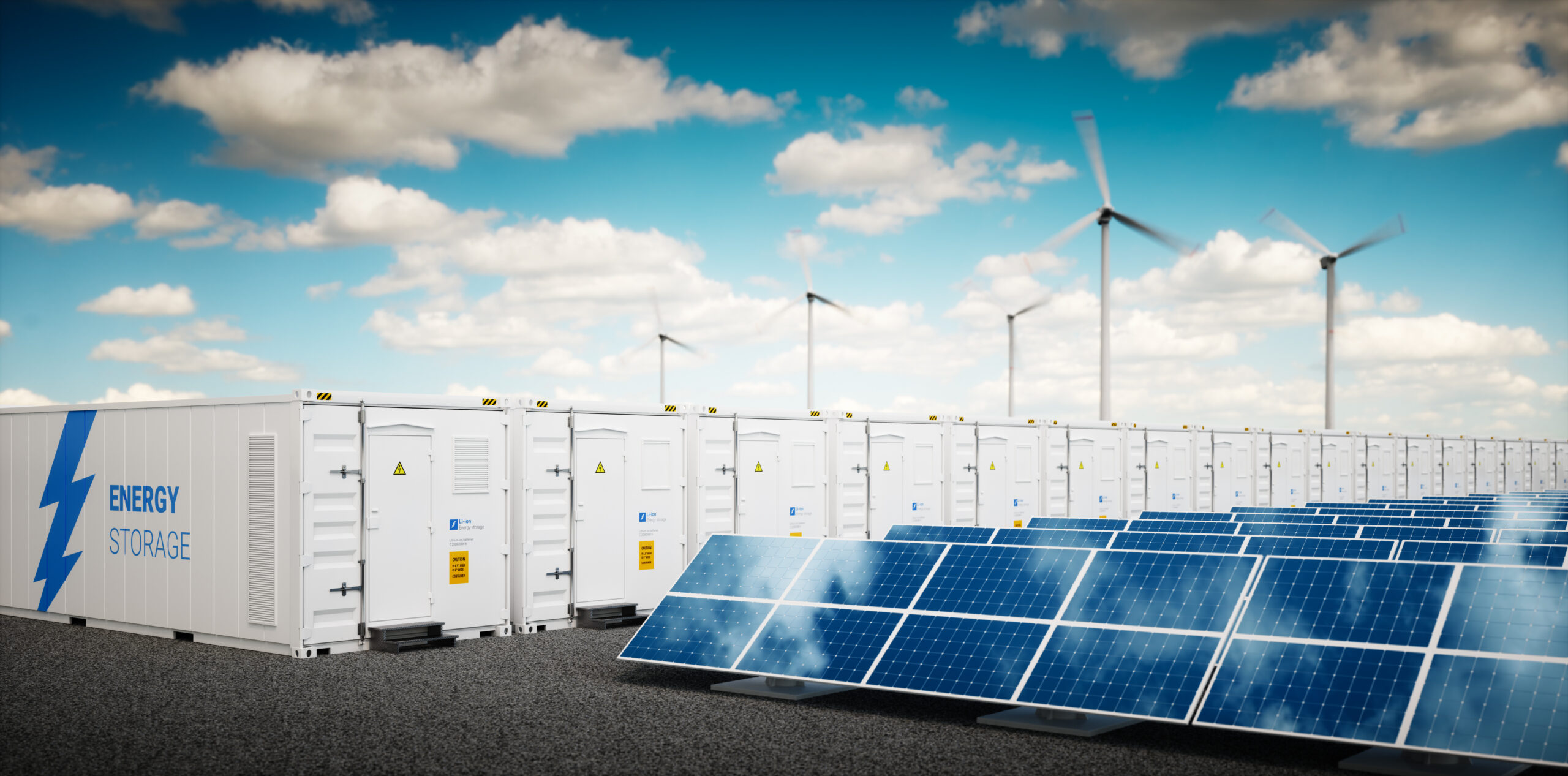
As the shift from fossil-based energy production to renewable energy sources continues, growth in renewable energy projects under development has been staggering. But moving projects from early-stage development to commercial operations requires navigating complicated methods of financing their development, construction, and operation via structures that vary depending on project ownership, size, technology, and the regulatory environment. 

In a vote that stretched into the evening, New Mexico’s legislature passed House Bill 41 by a 26-15 vote on February 13. The bill, which establishes a statewide program known as the “Clean Transportation Fuel Standards,” makes New Mexico the fourth U.S. state to enact a clean fuel standard (i.e., a marked-based set of policies designed to curb carbon emissions while incentivizing investment into renewable fuel projects and green vehicles). Oregon, Washington, and California have similar standards on their books.

On Dec. 19, 2023, the Federal Energy Regulatory Commission (FERC) issued a Notice of Inquiry (NOI) seeking comments on whether it should revise its policy on providing blanket authorizations under Section 203(a)(2) of the Federal Power Act (FPA) for holding companies and investment companies that seek to invest in public utilities.  Blanket authorizations allow certain investment companies to buy and sell public utility securities without first obtaining FERC approvals.  In the NOI proceeding, FERC is re-examining what factors it should consider when evaluating what it means to lack control over public utilities for companies who seek to invest in public utilities.  While the NOI is directly aimed at “investment companies,” as defined in the Investment Company Act of 1940, FERC’s policy re-examination could have broader ramifications for other types of control analyses for FPA purposes.