Project Development

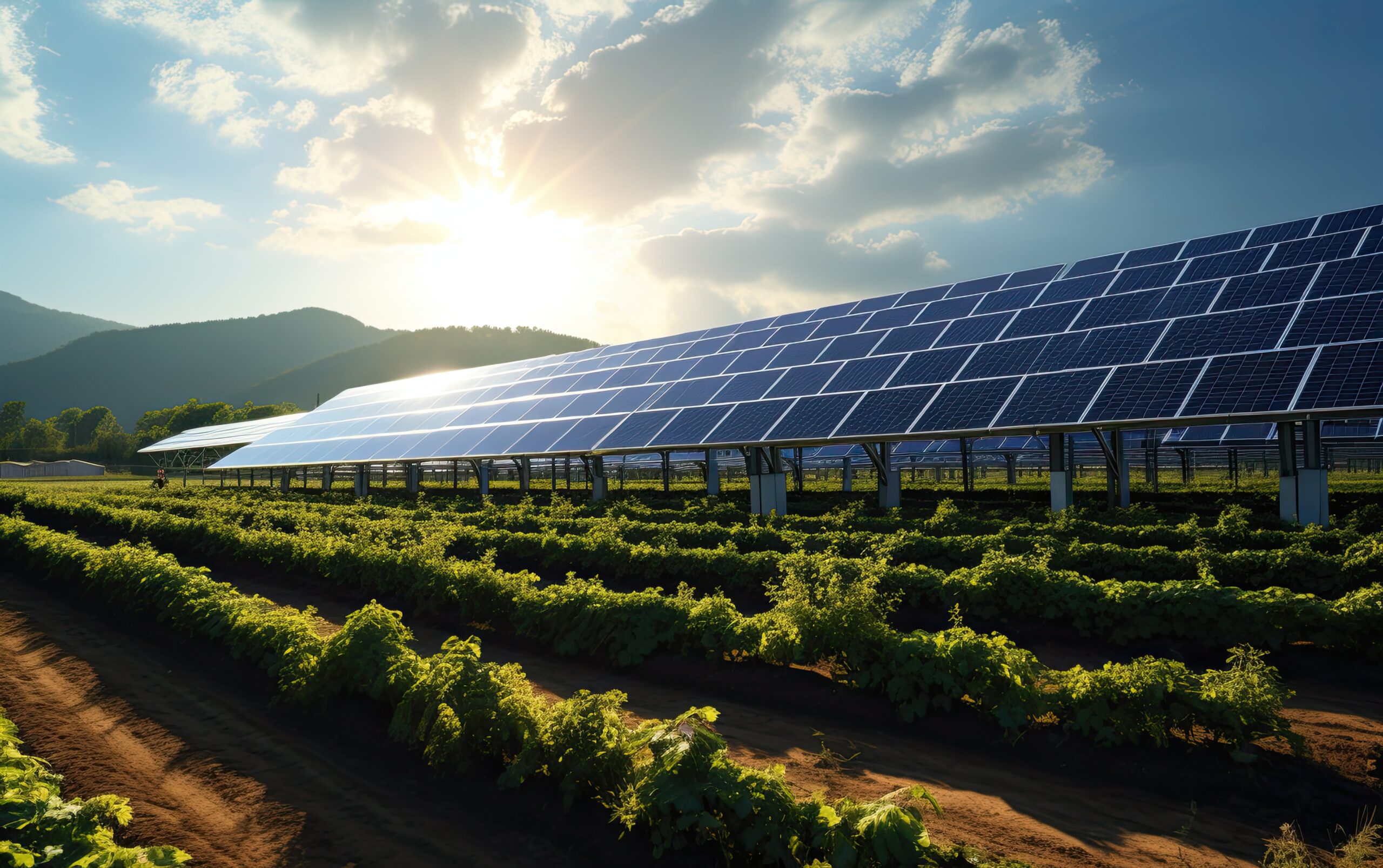
Solar developers contend with a wide array of challenges, from competing for viable project sites to combatting disinformation surrounding the expansion of clean energy development. With demand for energy rapidly growing across the nation, considering a full suite of project designs allows developers to put their best foot forward when collaborating with local stakeholders.

Although the use of a shared facilities agreement (SFA) for co-located energy projects is not a new concept, their use has increased significantly in recent years due to the rise in co-located generation, storage, and load infrastructure, particularly in the case of data centers. In general, an SFA grants each party a co-tenancy ownership interest in certain shared facilities, subject to detailed management, operations, and cost-sharing provisions, among other considerations.

Given the increasing frequency of their use, owners, operators, financing parties, and developers should understand when, why, and how SFAs can (or should) be used to avoid potential regulatory, operational, or cost-allocation issues with co-located projects.

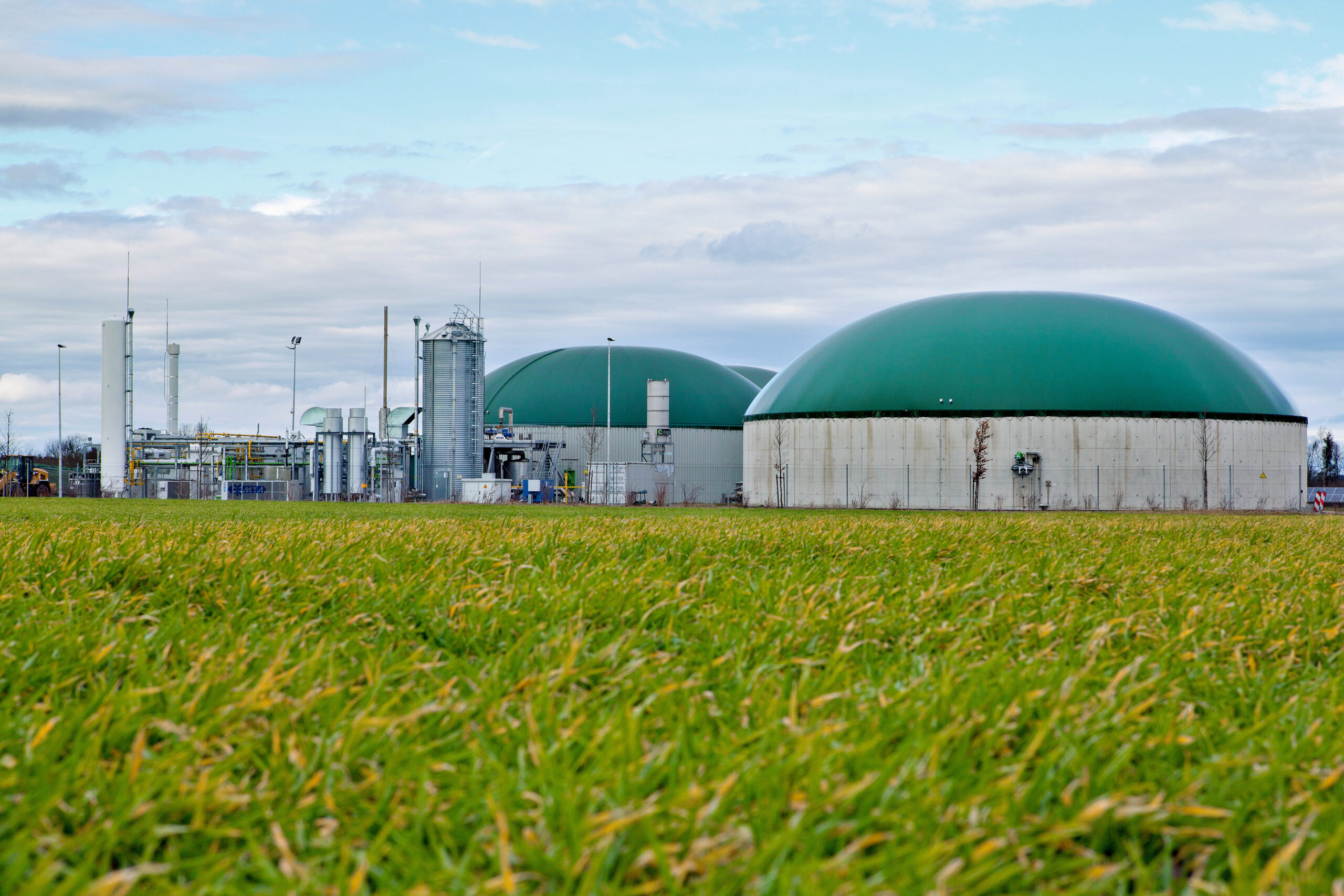
Biogas and renewable natural gas (RNG) projects are unique in energy infrastructure. They blend complex mechanical systems with biological processes that are sensitive to variables like feedstock composition and availability, process temperature, equipment performance and reliability, and operator skill. Given the importance of gas output to a project’s economics, fluctuations in these variables can quickly erode a project’s financial viability.

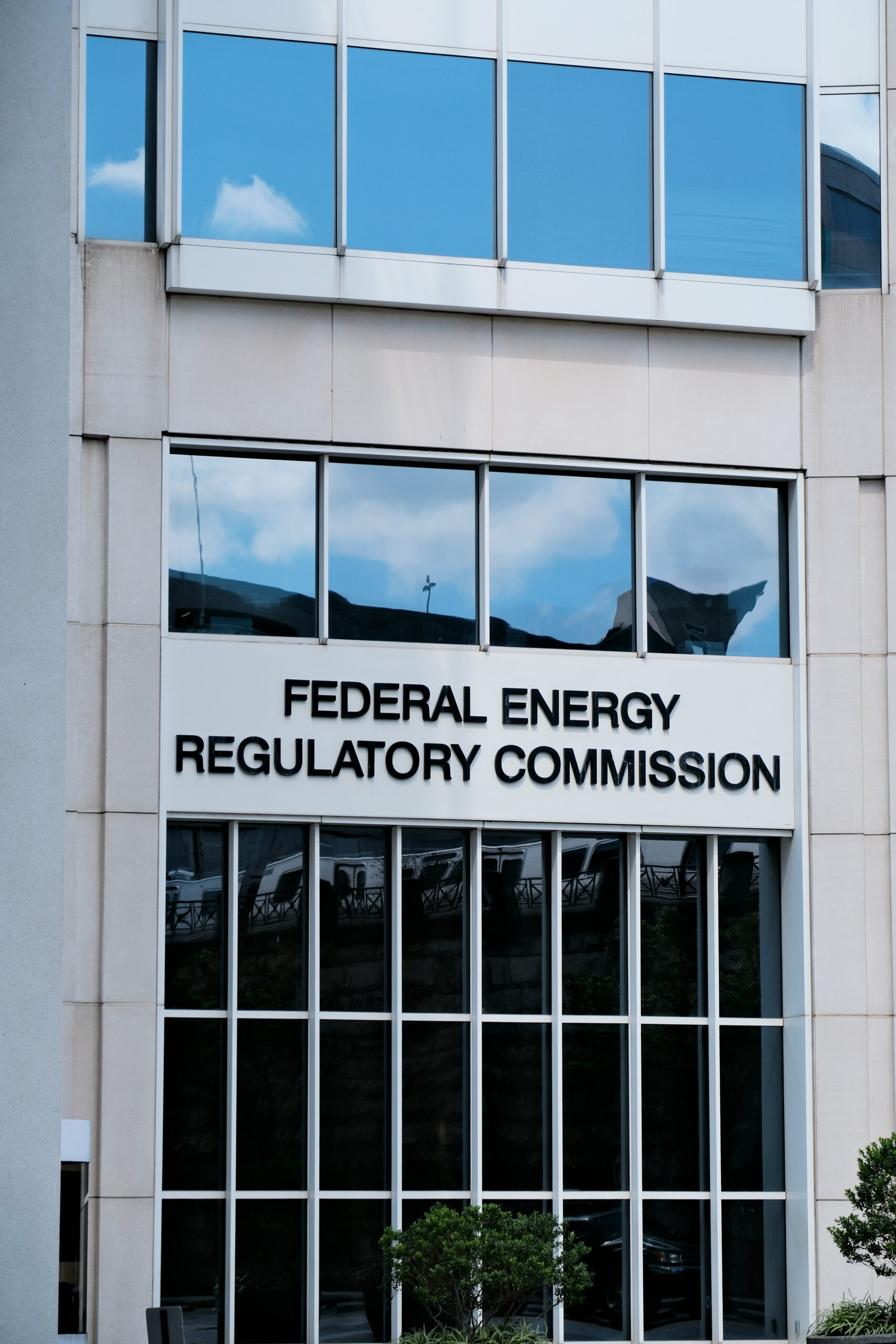
Building natural gas infrastructure should get easier in the future by way of a recent ruling by the Federal Energy Regulatory Commission (FERC or the Commission). On October 7, 2025, FERC issued a Final Rule, entitled “Removal of Regulations Limiting Authorizations to Proceed with Construction Activities Pending Rehearing” (Docket No. RM25-9-000, 193 FERC ¶61,014 (2025)). The new rule rescinds FERC’s prior rule that barred construction on gas infrastructure during project appeals. In doing so, FERC plans to accelerate energy projects to meet the growing demand for energy, due in part to the rapid build-out of data centers.

As renewable energy development sweeps across rural and agricultural landscapes, developers are encountering a growing legal and logistical challenge: severed estates. These occur when surface rights and mineral rights are owned by different parties—a common situation in many energy-rich regions.

While renewable energy projects are designed to provide clean power and long-term value, severed estates can introduce uncertainty and risk. This article provides a structured approach to understanding and managing severed estates, so your projects stay on track and in legal compliance.

Domestic energy production was a subject of much attention in the recently passed federal legislation. That legislation eliminated significant future tax incentives for new construction of large-scale wind and solar projects. Other energy generation sources are expected to be used more intensively and for a longer period of time than previously assumed in order to meet significant anticipated growth in domestic energy demand.

As we have discussed in recent articles and as has been well publicized, two recent actions out of Washington are significantly impacting the renewable energy industry. The recently enacted One, Big, Beautiful Bill Act (OBBBA) imposes new deadlines on renewable energy facilities to begin construction and/or be placed into service in order to qualify for tax credits. This is discussed in detail in our recent articles here.

In addition to the OBBBA, on July 7, 2025, President Trump issued an Executive Order (EO), directing the Secretary of Treasury to—within 45 days following enactment of the OBBBA (which is August 18, 2025)—strictly enforce the termination of renewable energy tax credits. This includes issuing new guidance “to ensure that policies concerning the ‘beginning of construction’ are not circumvented, including by preventing the artificial acceleration or manipulation of eligibility and by restricting the use of broad safe harbors unless a substantial portion of a subject facility has been built.”

The One Big Beautiful Bill Act (OBBBA), signed into law by President Donald Trump on July 4, 2025, provides for enhanced restrictions on entities claiming many of the renewable energy credits established under the Inflation Reduction Act of 2022 (IRA). Namely, the bill prohibits foreign entities of concern (FEOCs), as well as domestic entities that are related to or otherwise engage in significant transactions with FEOCs, from claiming such credits. The credits that are subject to the new FEOC limitations under the bill include:

  • the Clean Energy Production Credit (Section 45Y);
  • the Clean Electricity Investment Credit (Section 48E);
  • the Zero-Emission Nuclear Power Production Credit (Section 45U);
  • the Advanced Manufacturing Production Credit (Section 45X);
  • the Credit for Carbon Oxide Sequestration (Section 45Q); and
  • the Clean Fuel Production Credit (Section 45Z).

On July 4, 2025, the One, Big, Beautiful Bill Act (the Act) was enacted. Several provisions of the Act will impact renewable energy projects and the tax credits generated by such projects. Such provisions include the accelerated termination for wind and solar credits, as well as restrictions with respect to foreign entities of concern. Most of the energy provisions of the Act will take effect beginning with the taxable year beginning after that date of enactment (i.e., the taxable year beginning January 1, 2026, for most taxpayers), although there are some deviations, as described below.

Under the Senate Finance Committee’s June 28th version of the One, Big, Beautiful Bill (the “Bill”), there are several limitations and requirements that would take effect based on the date a project begins construction. For solar and wind projects, unless construction begins prior to enactment of the Bill, the production tax credit and investment tax credit under section 45Y and 48E will terminate for projects that are placed in service after 2027. Additionally, certain restrictions on material assistance from prohibited foreign entities would apply to solar and wind projects which begin construction after June 16th and most other projects that begin construction after 2025. The provisions of the Bill are still being negotiated in the Senate. However, establishing the beginning of construction will almost certainly remain important for developers of renewable energy projects.