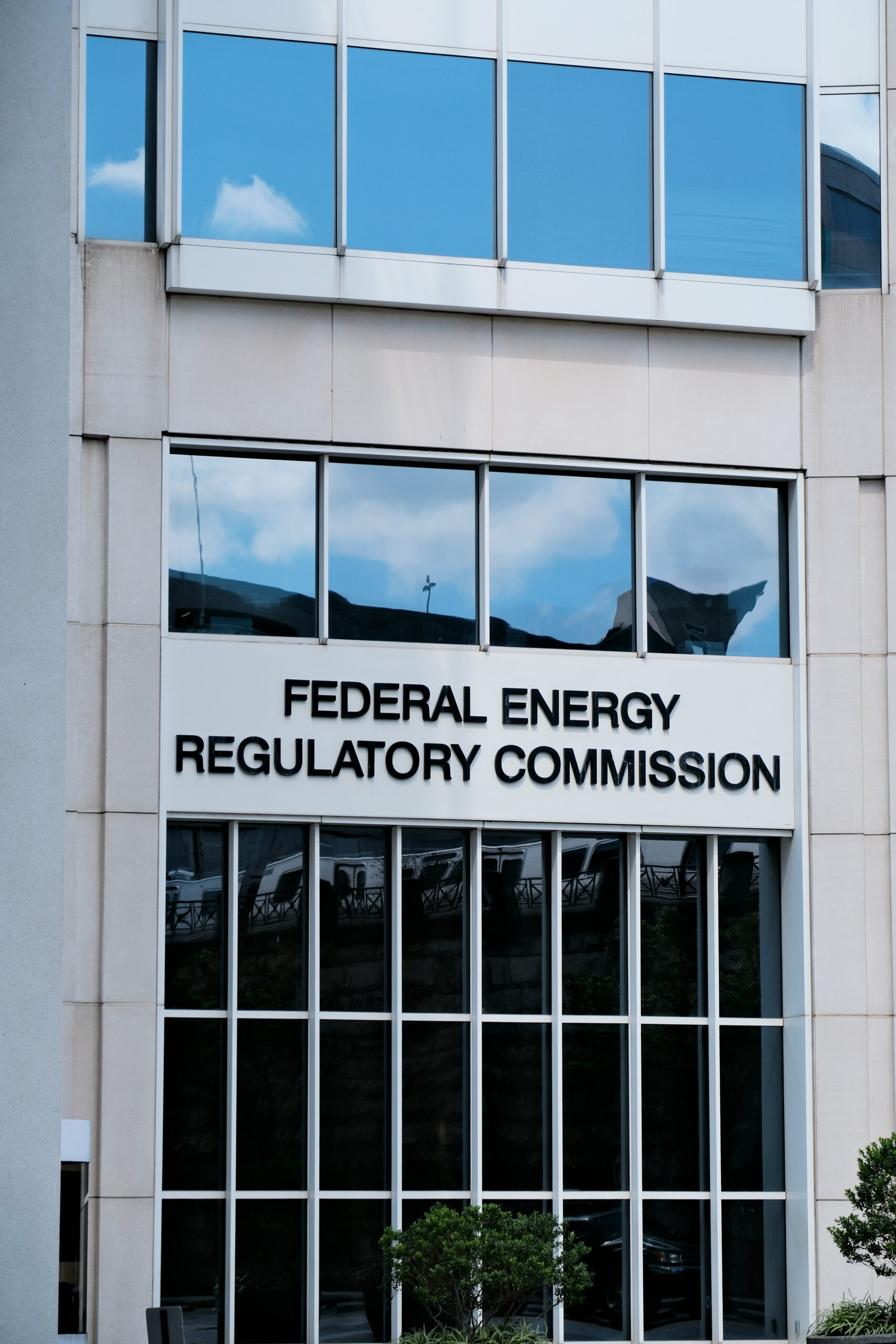
At the Federal Energy Regulatory Commission’s (“FERC” or the “Commission”) monthly open meeting on February 19, 2026, the Commission reaffirmed that it will not reinstate its ban on gas pipeline work during appeals.

At the Federal Energy Regulatory Commission’s (“FERC” or the “Commission”) monthly open meeting on February 19, 2026, the Commission reaffirmed that it will not reinstate its ban on gas pipeline work during appeals.
On January 14, 2026, the Federal Energy Regulatory Commission (FERC) accepted new rules proposed by Southwest Power Pool, Inc. (SPP) regarding the interconnection of High Impact Large Loads (HILLs) and the interconnection of new generation facilities that will be used to serve them, called High Impact Large Load Generation Assessment (HILLGA) in Docket No. ER26-247. This order, along with the recent order directing PJM Interconnection, L.L.C. (PJM) to propose rules for Co-Located generation and large loads, offer the first glimpse into how FERC will address the challenges facing the nation’s electricity grid. These include balancing resource adequacy, grid reliability, and fair cost allocation for any needed grid expansions to accommodate new AI-driven data centers.
Investment into data centers continues to increase significantly as the country builds out infrastructure to accommodate the digital economy and growth of artificial intelligence. Many states, including Texas, have now implemented various tax incentives to encourage investment in the state while simultaneously grappling with the taxable aspects of data center fuel. In November 2025, the
Although the use of a shared facilities agreement (SFA) for co-located energy projects is not a new concept, their use has increased significantly in recent years due to the rise in co-located generation, storage, and load infrastructure, particularly in the case of data centers. In general, an SFA grants each party a co-tenancy ownership interest in certain shared facilities, subject to detailed management, operations, and cost-sharing provisions, among other considerations.
Given the increasing frequency of their use, owners, operators, financing parties, and developers should understand when, why, and how SFAs can (or should) be used to avoid potential regulatory, operational, or cost-allocation issues with co-located projects.

On December 18, 2025, the Federal Energy Regulatory Commission (FERC) directed PJM Interconnection, L.L.C. (PJM) to create new rules around the co-location of generation and data centers (FERC’s Dec. 18, 2025 Order, Docket Nos. EL25-49, AD24-11, EL25-20). With several proceedings pending at the Commission to address the growing demand for energy from large load entities—including major rulemaking proceeding directed by the Department of Energy (DOE) on October 23, 2025—FERC’s December 18 order offers the first window into how the Commission will address the challenges facing the nation’s electricity grid. These challenges include balancing resource adequacy, grid reliability, and fair cost allocation for any needed grid expansions to accommodate new AI-driven data centers. FERC is expected to issue a proposed rulemaking in the coming weeks with additional guidance on how it plans to shape the future of data center development in the U.S.
Building natural gas infrastructure should get easier in the future by way of a recent ruling by the Federal Energy Regulatory Commission (FERC or the Commission). On October 7, 2025, FERC issued a Final Rule, entitled “Removal of Regulations Limiting Authorizations to Proceed with Construction Activities Pending Rehearing” (Docket No. RM25-9-000, 193 FERC ¶61,014 (2025)). The new rule rescinds FERC’s prior rule that barred construction on gas infrastructure during project appeals. In doing so, FERC plans to accelerate energy projects to meet the growing demand for energy, due in part to the rapid build-out of data centers.
When the legendary writer John McPhee described a blind, over-the-shoulder basketball shot of the equally legendary Bill Bradley, he fixed on Bradley’s explanation of how he managed to score apparently without looking at the basket. Bradley simply said, “you develop a sense of where you are.” That ‘sense’ allowed him to accomplish his purpose with no immediate idea about how his goal would be affected by events around him.
Industry participants, watchers, and regulators might enquire where we are in the complex but seemingly endless process of modernizing the U.S. electric system. Is the current focus on streamlining regulatory approval processes for infrastructure development generally— and the siting and permitting of electric transmission in particular—a sign that it’s time for the easy stuff since the Rubik’s Cubes of access, planning, cost allocation, and accommodating new technology are approaching resolution? Will this in turn be followed by a surge in electric transmission grid expansion and market integration? Ironically, during the decade of debate over siting and permitting—while policymakers make corridor determinations, run steering committees, and manufacture procedural shortcuts—U.S. transmission construction has declined precipitously. Does this give confidence that we know where we are, where the grid is headed, and how the industry will get there?
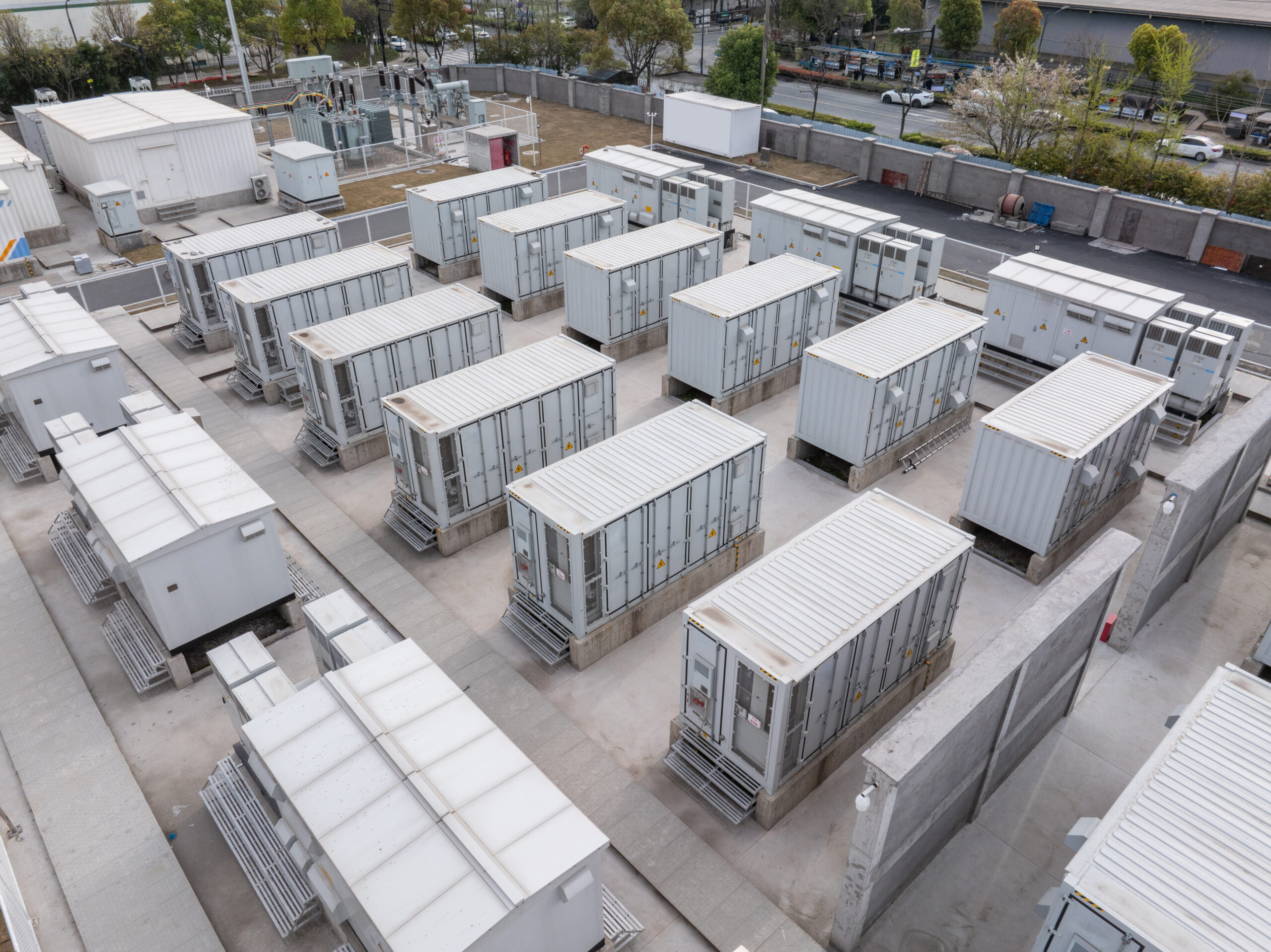
As the energy landscape continues to evolve, so too does the regulatory framework governing it. Texas House Bills 3809 and 3228 introduce significant changes to the decommissioning and recycling requirements for Battery Energy Storage Facilities (“BESFs”), Solar Power Facilities, and Wind Power Facilities in Texas. This legislation, effective for agreements entered into on or after September 1, 2025, mandates specific obligations for the removal and recycling of facility components. Here’s what you need to know to ensure compliance in your lease agreements.
On September 4, 2025, the Board of Directors of Southwest Power Pool (SPP), the regional transmission organization (RTO) responsible for much of the central United States, passed Revision Request 696 (RR 696), paving the way for SPP to propose that the Federal Energy Regulatory Commission (FERC) modify SPP’s Open Access Transmission Tariff (Tariff) to create a 90-day path to interconnection for large loads and supporting generation. SPP is expected to file this Tariff change proposal with FERC in the coming weeks. Pending FERC’s decision, SPP aims to administer one of the fastest interconnection study processes in the nation and allow expedited processing of new large loads on the SPP transmission system.

As renewable energy development sweeps across rural and agricultural landscapes, developers are encountering a growing legal and logistical challenge: severed estates. These occur when surface rights and mineral rights are owned by different parties—a common situation in many energy-rich regions.
While renewable energy projects are designed to provide clean power and long-term value, severed estates can introduce uncertainty and risk. This article provides a structured approach to understanding and managing severed estates, so your projects stay on track and in legal compliance.