In a significant legal development, a recent appellate court ruling upheld a lower court’s decision invalidating certain tariffs imposed by the United States under the International Emergency Economic Powers Act (IEEPA). This ruling has set the stage for the U.S. Supreme Court to hear oral arguments in November, a case that could have profound legal and economic implications depending on the outcome.

When the legendary writer John McPhee described a blind, over-the-shoulder basketball shot of the equally legendary Bill Bradley, he fixed on Bradley’s explanation of how he managed to score apparently without looking at the basket. Bradley simply said, “you develop a sense of where you are.” That ‘sense’ allowed him to accomplish his purpose with no immediate idea about how his goal would be affected by events around him.

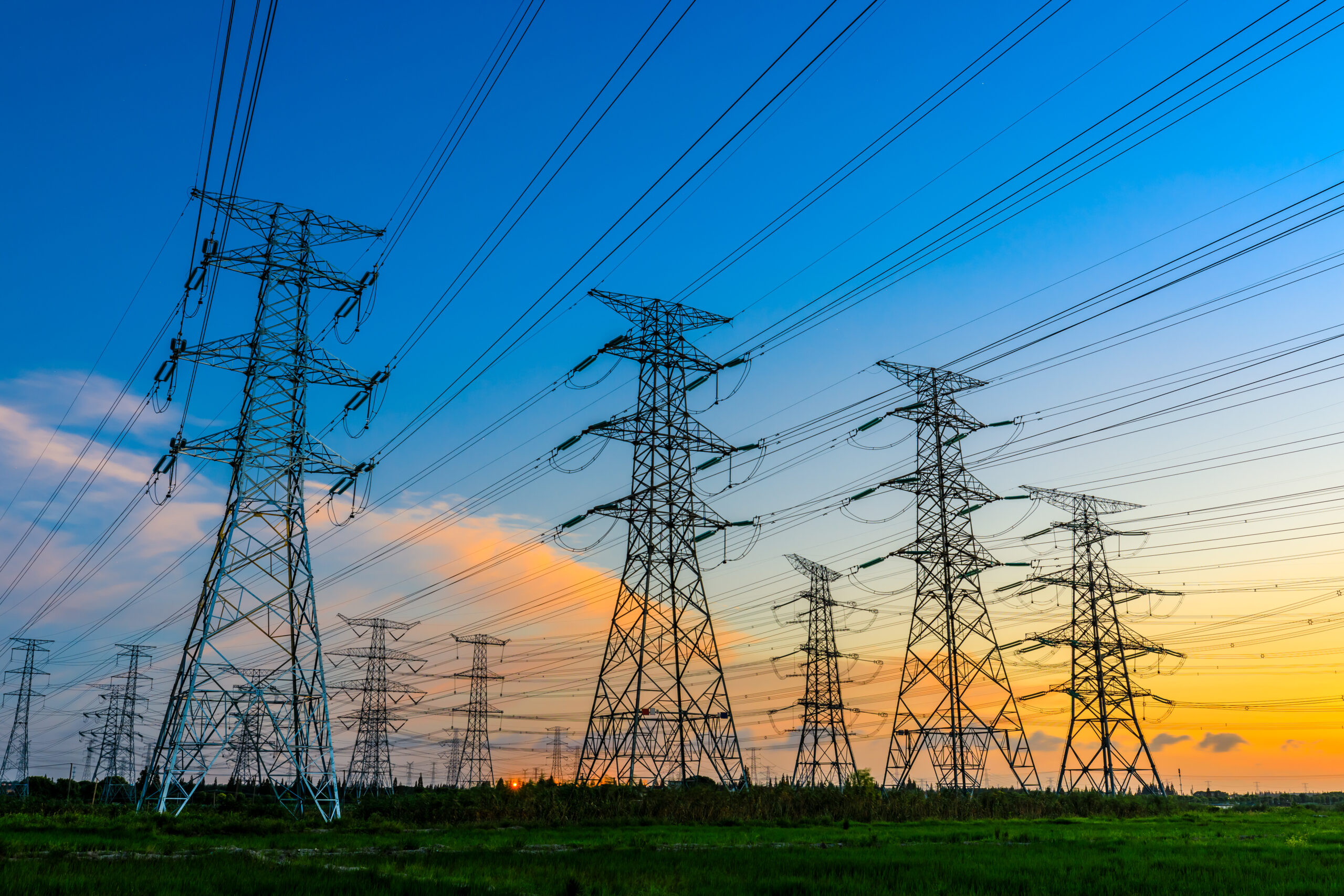
Industry participants, watchers, and regulators might enquire where we are in the complex but seemingly endless process of modernizing the U.S. electric system. Is the current focus on streamlining regulatory approval processes for infrastructure development generally— and the siting and permitting of electric transmission in particular—a sign that it’s time for the easy stuff since the Rubik’s Cubes of access, planning, cost allocation, and accommodating new technology are approaching resolution? Will this in turn be followed by a surge in electric transmission grid expansion and market integration? Ironically, during the decade of debate over siting and permitting—while policymakers make corridor determinations, run steering committees, and manufacture procedural shortcuts—U.S. transmission construction has declined precipitously. Does this give confidence that we know where we are, where the grid is headed, and how the industry will get there?

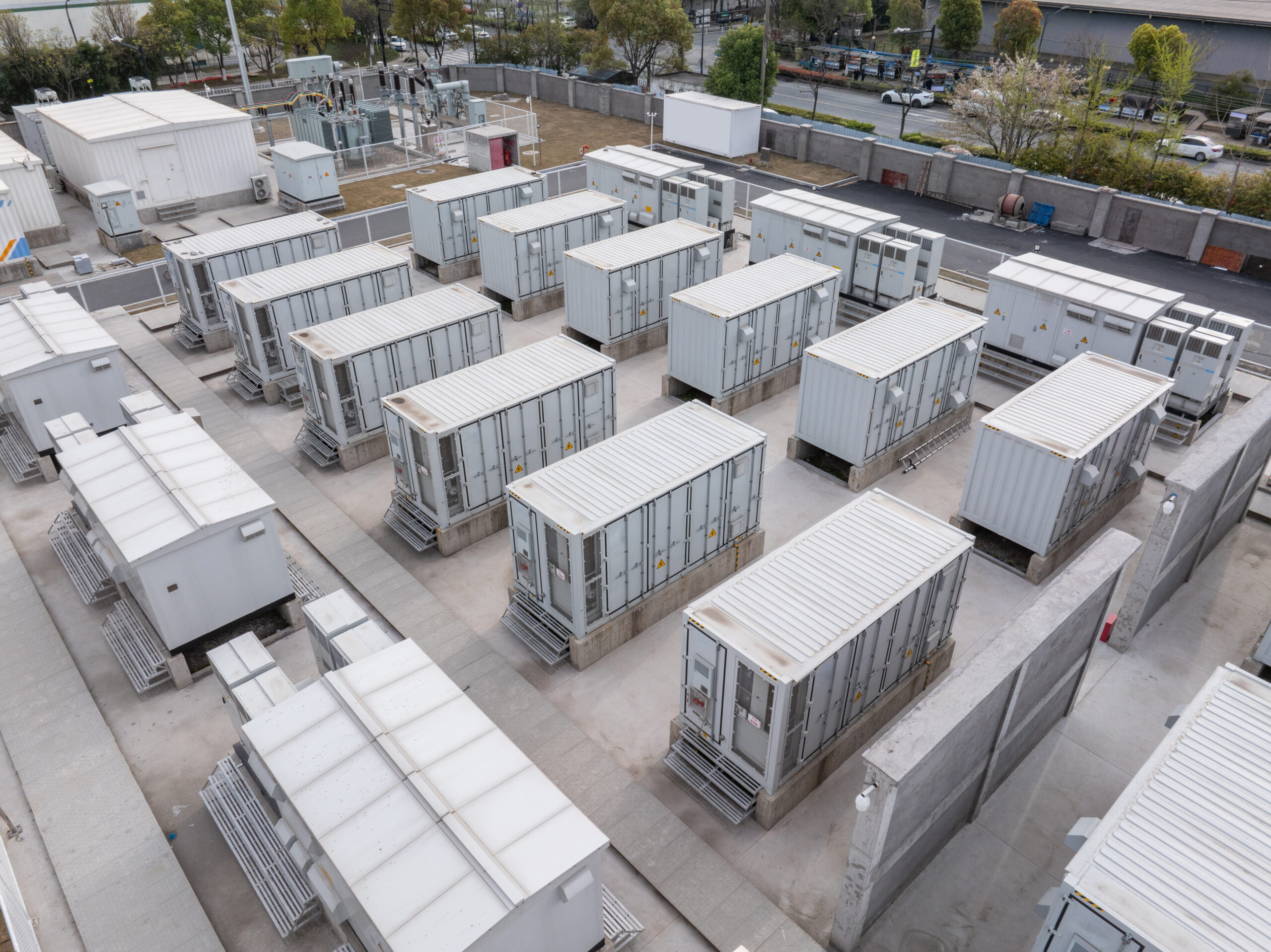
As the energy landscape continues to evolve, so too does the regulatory framework governing it. Texas House Bills 3809 and 3228 introduce significant changes to the decommissioning and recycling requirements for Battery Energy Storage Facilities (“BESFs”), Solar Power Facilities, and Wind Power Facilities in Texas. This legislation, effective for agreements entered into on or after September 1, 2025, mandates specific obligations for the removal and recycling of facility components. Here’s what you need to know to ensure compliance in your lease agreements.

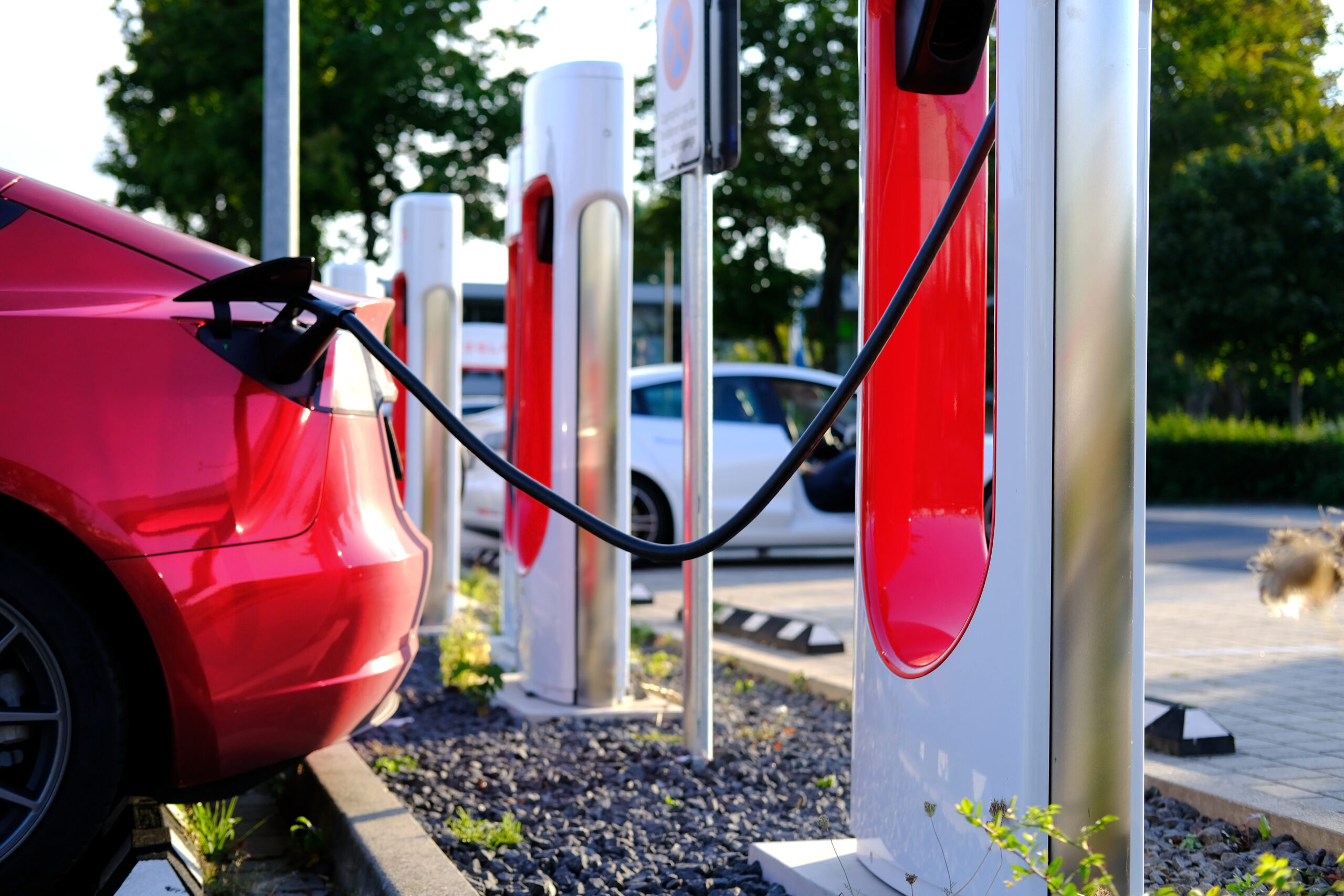
The National Electric Vehicle Infrastructure Formula Program (NEVI Program), one of the key programs included in the 2021 Bipartisan Infrastructure Law, set aside $5 billion dollars in Federal funding administered by the Federal Highway Administration (FHWA) to assist in the nationwide development of electric vehicle charging infrastructure. Final NEVI Formula Program guidance was issued on June 11, 2024 during the later months of the Biden Administration. However, on February 6, 2025 following the inauguration of President Trump, the FHWA issued a letter that froze the obligation of NEVI Program funds nationwide, and noted that the new leadership of the Department of Transportation was undertaking a review of the policies underlying the implementation of the NEVI Program, and rescinded all prior versions of the NEVI Formula Program Guidance (including the June 11, 2024 Final Guidance).[1]

On September 4, 2025, the Board of Directors of Southwest Power Pool (SPP), the regional transmission organization (RTO) responsible for much of the central United States, passed Revision Request 696 (RR 696), paving the way for SPP to propose that the Federal Energy Regulatory Commission (FERC) modify SPP’s Open Access Transmission Tariff (Tariff) to create a 90-day path to interconnection for large loads and supporting generation. SPP is expected to file this Tariff change proposal with FERC in the coming weeks. Pending FERC’s decision, SPP aims to administer one of the fastest interconnection study processes in the nation and allow expedited processing of new large loads on the SPP transmission system.

As renewable energy development sweeps across rural and agricultural landscapes, developers are encountering a growing legal and logistical challenge: severed estates. These occur when surface rights and mineral rights are owned by different parties—a common situation in many energy-rich regions.

While renewable energy projects are designed to provide clean power and long-term value, severed estates can introduce uncertainty and risk. This article provides a structured approach to understanding and managing severed estates, so your projects stay on track and in legal compliance.

Functional foods designed to promote relaxation, better sleep, and improved mood have exploded in popularity, and chocolate is increasingly the delivery method of choice. Calming confections featuring ingredients like melatonin, L-theanine, magnesium, adaptogens, or CBD are marketed as “natural” stress-relievers or sleep aids. But as consumer demand rises, so too does regulatory scrutiny. Federal and state regulators, along with the plaintiffs’ bar, are watching closely as food companies make increasingly bold wellness claims about everyday indulgences.