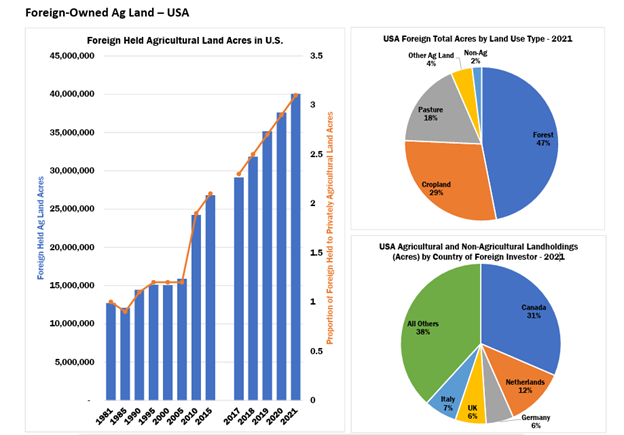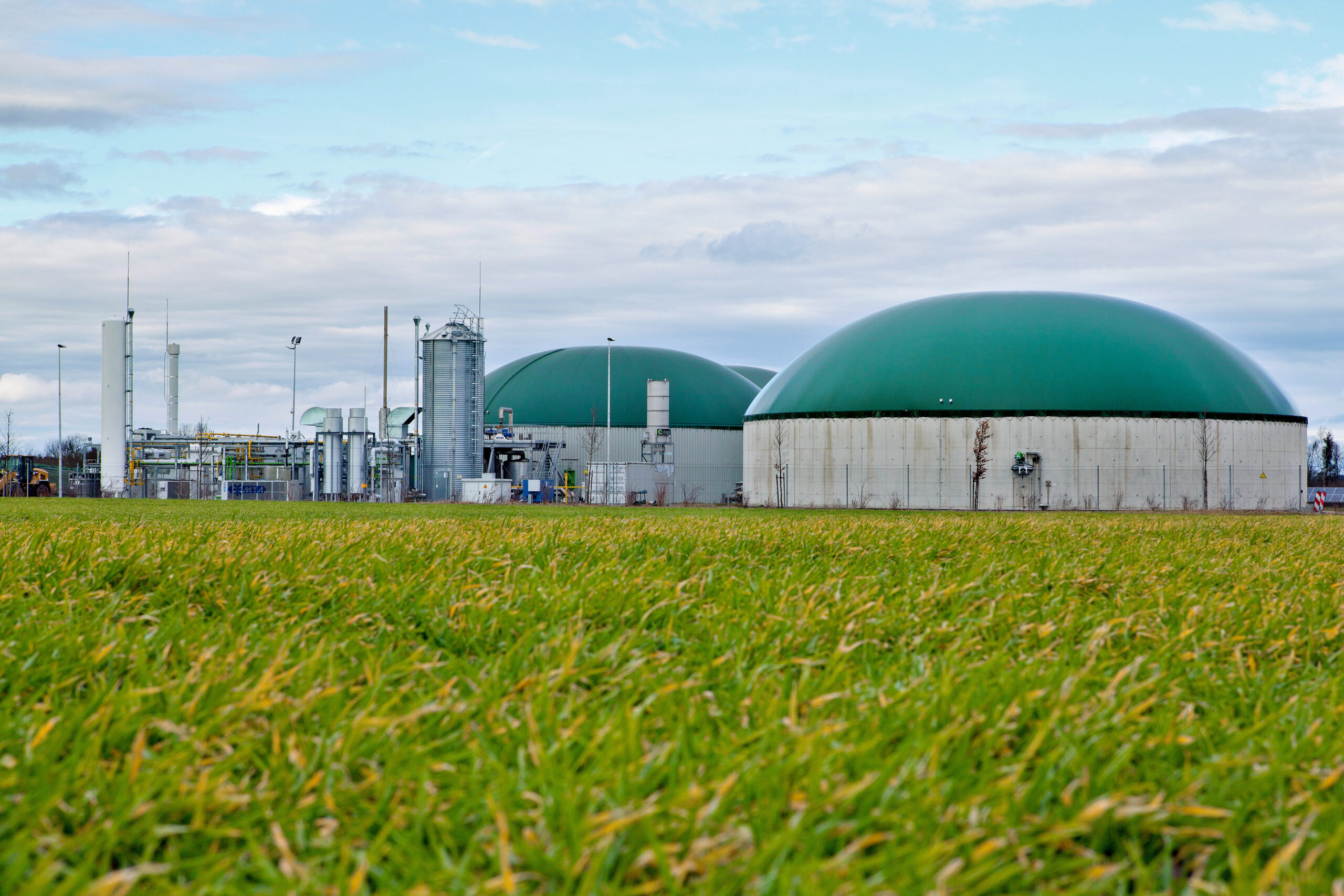
In recent years, the U.S. government has become increasingly concerned about foreign ownership of agricultural land. According to the most recent U.S. Department of Agriculture (USDA) report, foreign owners (primarily Canadian) hold an interest in nearly 45 million acres of U.S. agricultural land.

For consumer packaged goods (“CPG”) founders, understanding the complexities of business structures and tax consequences is essential to maximize growth and attract investors. The Qualified Small Business Stock (“QSBS”) exclusion provides considerable tax advantages when structuring a corporate entity. For example, founders and early investors may be eligible to exclude up to 100% of capital gains on qualifying startup stock from federal income tax—up to $15 million or ten times their investment—which can result in substantial tax savings.

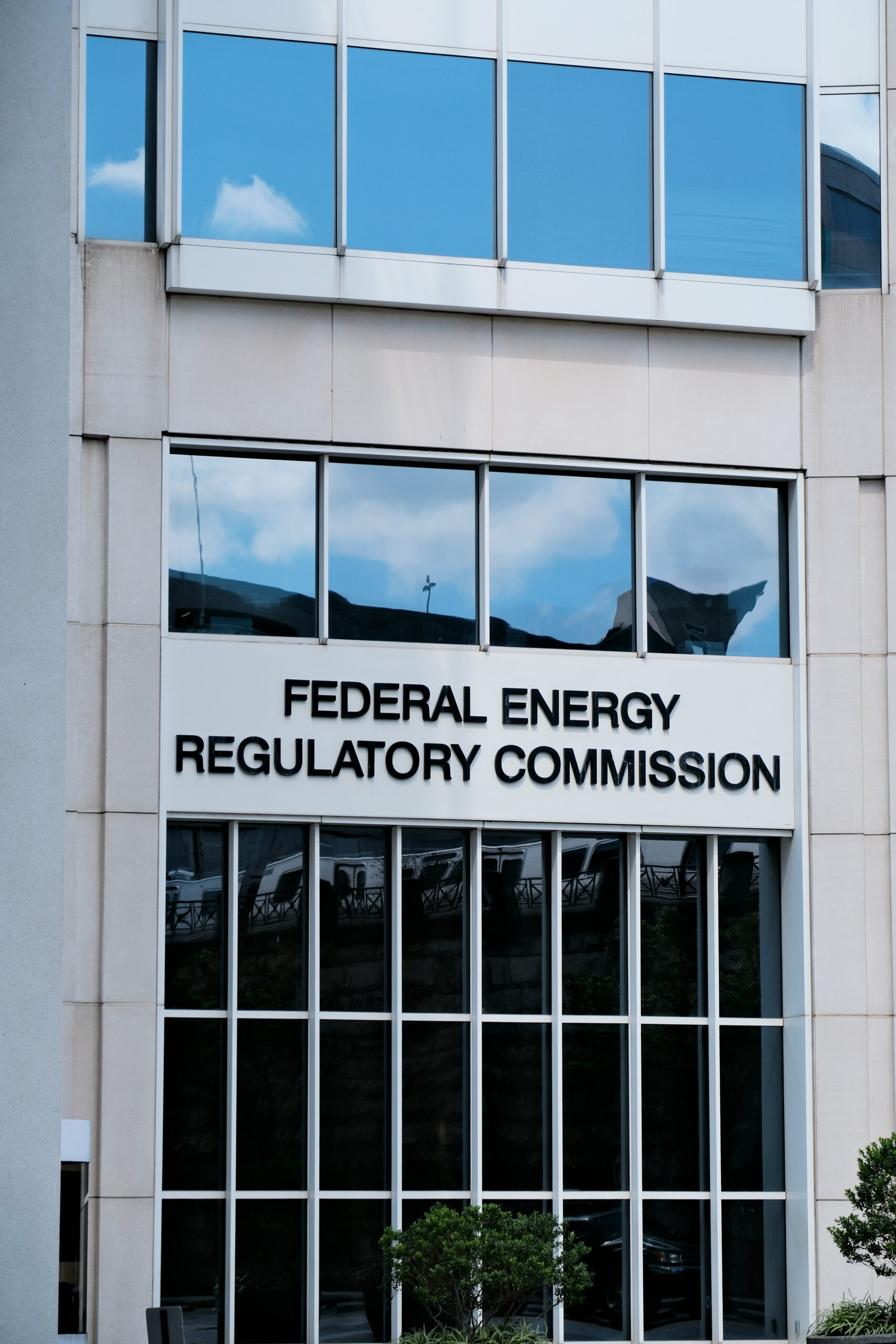
On January 14, 2026, the Federal Energy Regulatory Commission (FERC) accepted new rules proposed by Southwest Power Pool, Inc. (SPP) regarding the interconnection of High Impact Large Loads (HILLs) and the interconnection of new generation facilities that will be used to serve them, called High Impact Large Load Generation Assessment (HILLGA) in Docket No. ER26-247. This order, along with the recent order directing PJM Interconnection, L.L.C. (PJM) to propose rules for Co-Located generation and large loads, offer the first glimpse into how FERC will address the challenges facing the nation’s electricity grid. These include balancing resource adequacy, grid reliability, and fair cost allocation for any needed grid expansions to accommodate new AI-driven data centers.

Investment into data centers continues to increase significantly as the country builds out infrastructure to accommodate the digital economy and growth of artificial intelligence. Many states, including Texas, have now implemented various tax incentives to encourage investment in the state while simultaneously grappling with the taxable aspects of data center fuel. In November 2025, the

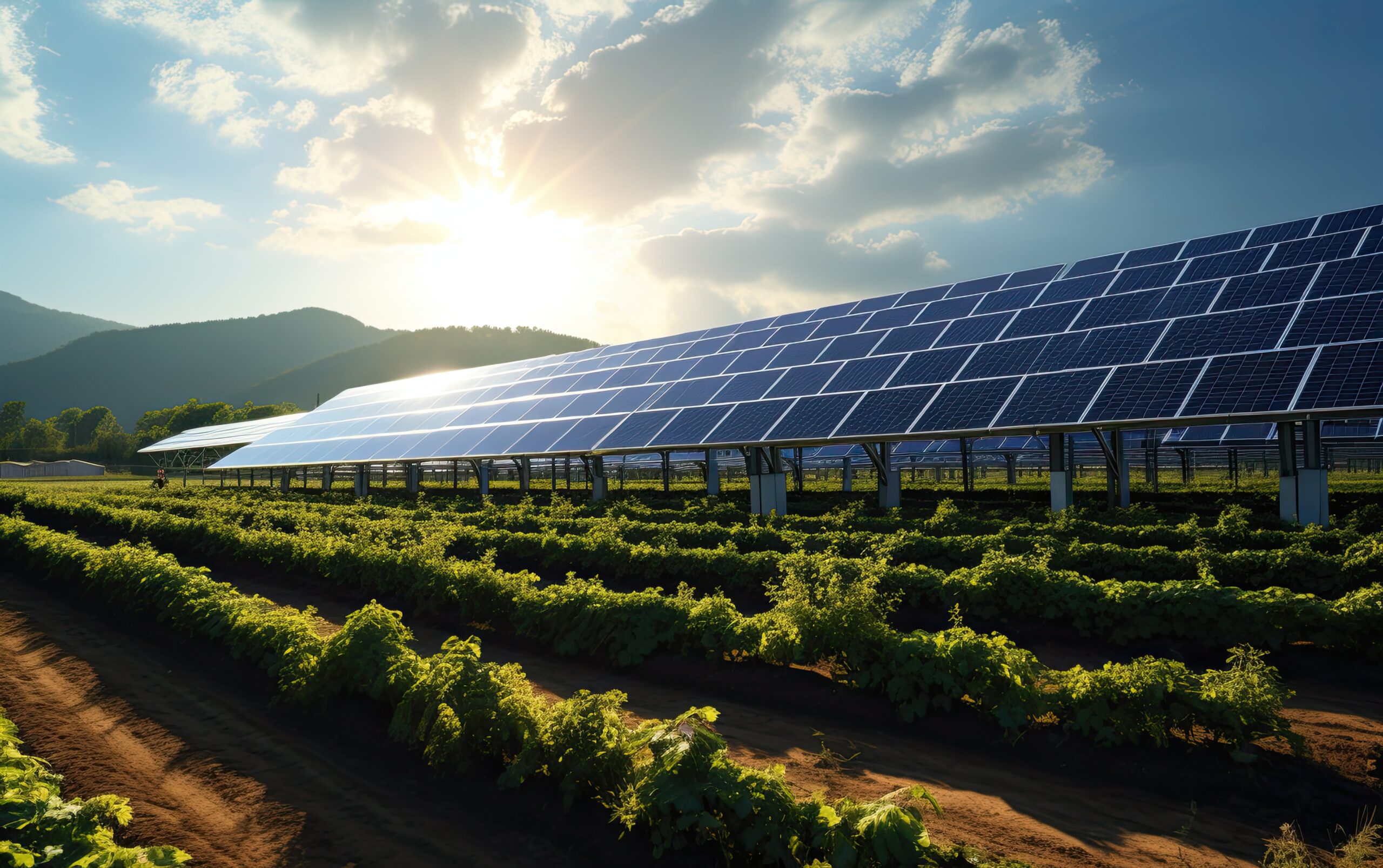
Solar developers contend with a wide array of challenges, from competing for viable project sites to combatting disinformation surrounding the expansion of clean energy development. With demand for energy rapidly growing across the nation, considering a full suite of project designs allows developers to put their best foot forward when collaborating with local stakeholders.

Although the use of a shared facilities agreement (SFA) for co-located energy projects is not a new concept, their use has increased significantly in recent years due to the rise in co-located generation, storage, and load infrastructure, particularly in the case of data centers. In general, an SFA grants each party a co-tenancy ownership interest in certain shared facilities, subject to detailed management, operations, and cost-sharing provisions, among other considerations.

Given the increasing frequency of their use, owners, operators, financing parties, and developers should understand when, why, and how SFAs can (or should) be used to avoid potential regulatory, operational, or cost-allocation issues with co-located projects.

Fusion energy, the same process that powers our sun and stars, is rapidly moving from scientific theory to commercial reality. In a fusion reaction, two light atoms—typically deuterium and tritium—combine to form a helium nucleus and a neutron, releasing an immense amount of energy. This energy, primarily in the form of heat, can be harnessed to generate electricity, offering a tantalizing promise: clean, limitless power for the world.

Companies’ obligations to identify and disclose climate-related financial risks and climate data have become increasingly complex in recent years, both at the state and federal levels. The fate of federal climate disclosure rules remains unclear, with the Securities and Exchange Commission (SEC), other federal agencies, and the courts deferring action. Meanwhile, some states, such as California, are stepping in with their own robust requirements.

On October 29, 2025, Democratic members of the House Ways and Means Committee introduced H.R. 5862, the American Energy Independence and Affordability Act (the Bill). The legislation, introduced by Rep. Mike Thompson (D-Calif.), would restore clean energy tax credits from the Inflation Reduction Act (IRA) that were cut by the One Big Beautiful Bill Act (OBBBA), passed earlier this year.

On December 18, 2025, the Federal Energy Regulatory Commission (FERC) directed PJM Interconnection, L.L.C. (PJM) to create new rules around the co-location of generation and data centers (FERC’s Dec. 18, 2025 Order, Docket Nos. EL25-49, AD24-11, EL25-20). With several proceedings pending at the Commission to address the growing demand for energy from large load entities—including major rulemaking proceeding directed by the Department of Energy (DOE) on October 23, 2025—FERC’s December 18 order offers the first window into how the Commission will address the challenges facing the nation’s electricity grid. These challenges include balancing resource adequacy, grid reliability, and fair cost allocation for any needed grid expansions to accommodate new AI-driven data centers. FERC is expected to issue a proposed rulemaking in the coming weeks with additional guidance on how it plans to shape the future of data center development in the U.S.