Renewable Energy & Clean Fuels

Thanks to the Inflation Reduction Act (IRA), which went into effect in January, it can pay to be a brownfield – a term used to refer to a property that is affected by potential or confirmed contamination. Specifically, the IRA offers incentives to renewable energy development that takes place on a brownfield site, which is included as an “energy community” under the IRA. On April 4, 2023, the Internal Revenue Service (IRS) and the Department of Treasury published limited guidance (Notice 2023-29, Energy Community Bonus Credit Amounts under the Inflation Reduction Act of 2022) on the bonuses available for production and investment of energy facilities in energy communities. Unfortunately, even with the guidance, the eligibility of certain sites as brownfields remains uncertain.

On February 8, 2023, the State of Minnesota enacted House File 7 (“H.F. 7”) to modify electric utility standards and revises the state’s goals for generating carbon-free electricity by 2040. As discussed below, H.F. 7 significantly modifies the legal frameworks that direct and incentivize future Minnesota electric sector developments and has implications for regional energy policy.

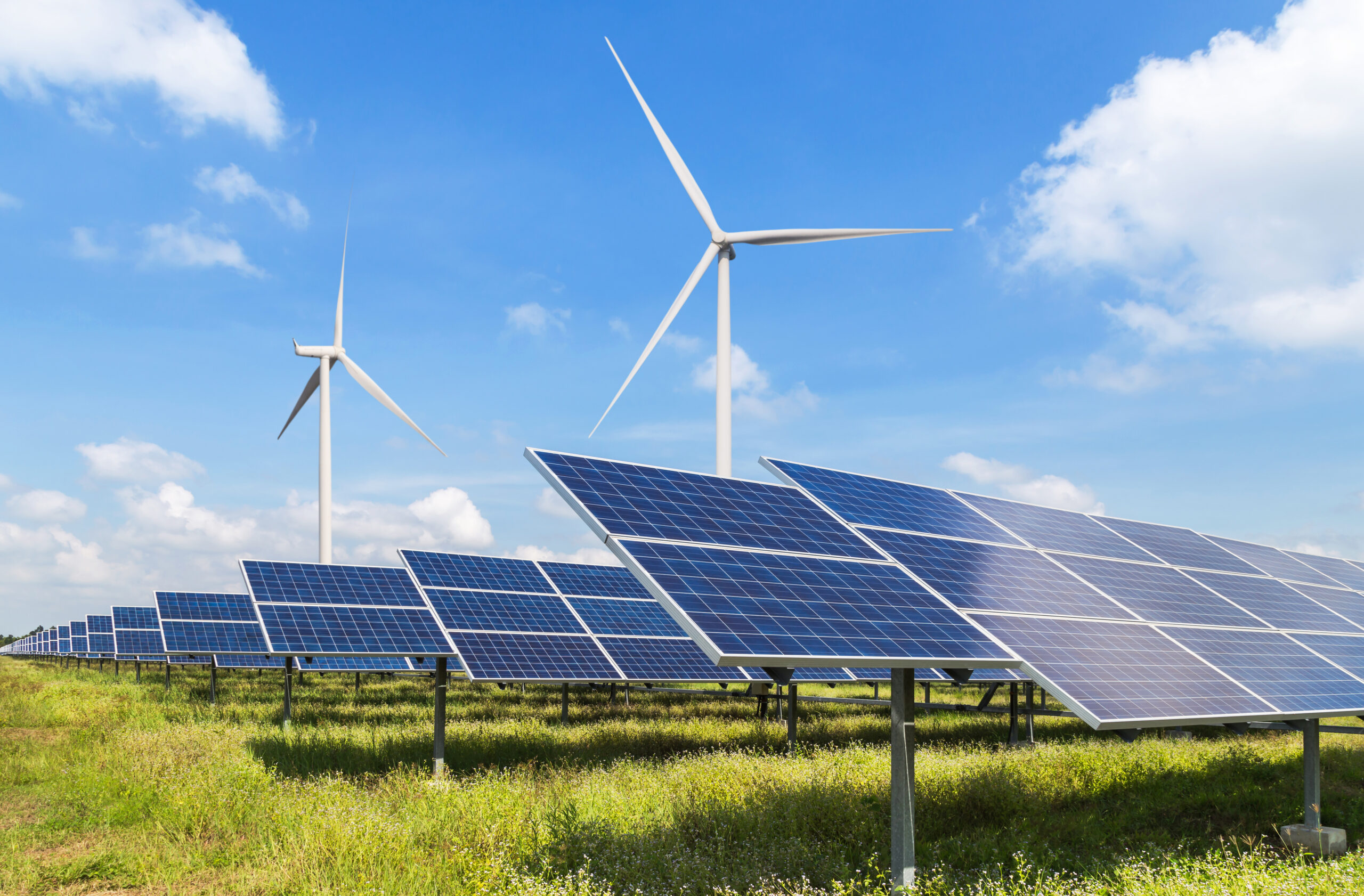
The siting of renewable energy infrastructure remains a contentious issue in some communities. Throughout the United States — both on the coasts and in the Midwest — new renewable energy development pits unlikely advocates against unlikely opposition. That said, more and more State governments that are looking to grow their renewable energy industries and meet climate goals are implementing legislative solutions to these renewable energy siting issues.

2022 saw a flurry of renewable natural gas (RNG)-related deals, including in anticipation of (and then in response to) the historic Inflation Reduction Act (IRA). Sustainability mandates and the growing maturity of RNG-related credit markets, as well as the IRA’s expansion of investment and production tax credits, drove increased transactions and historic valuations.

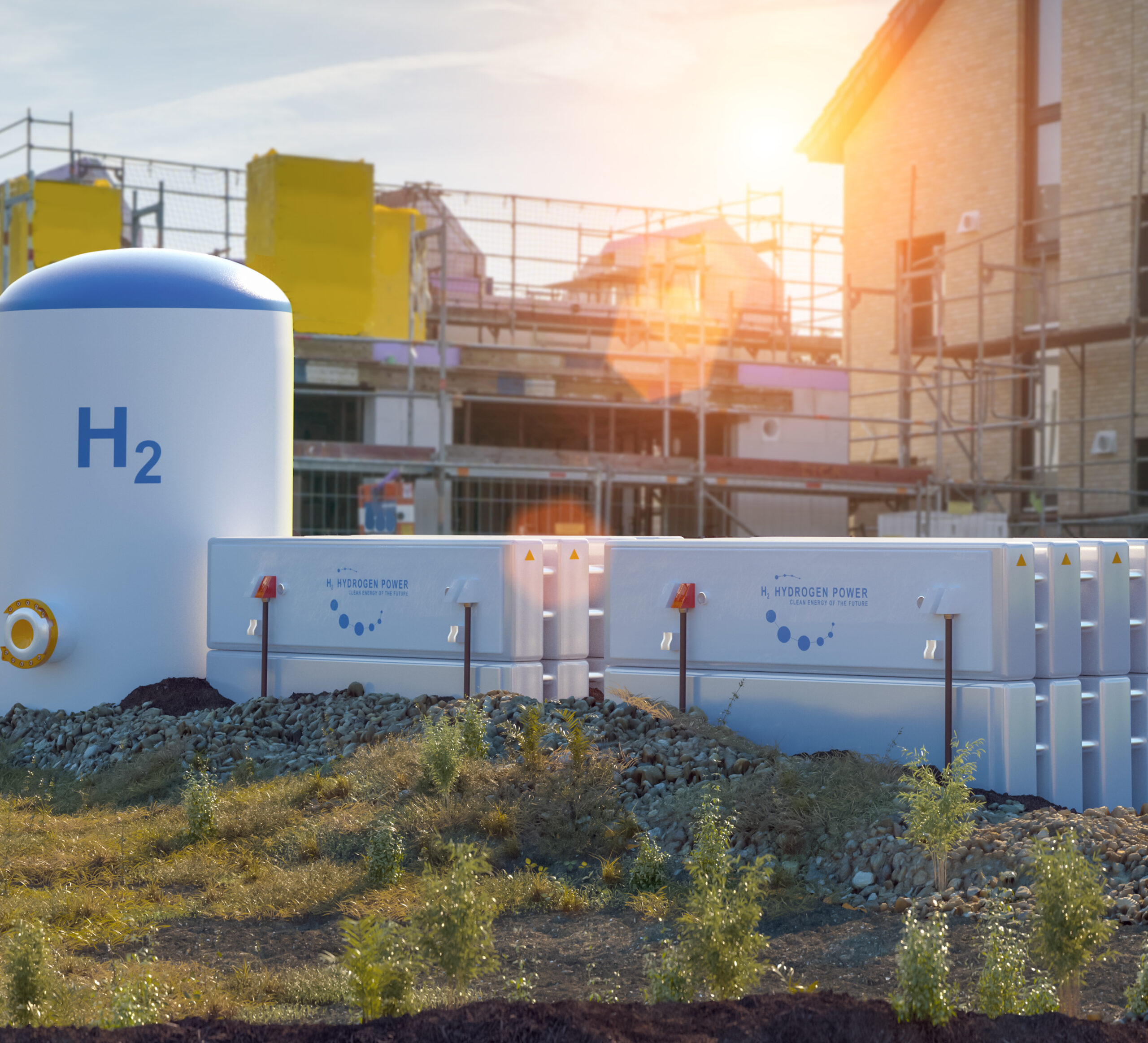
On January 27, 2023, the U.S. Department of Energy (DOE) announced its intent to invest up to $47 million in funding for clean hydrogen research, development, and demonstration (RD&D) as part of its “Hydrogen Shot” – a program intended to reduce the cost of clean hydrogen to $1 per kilogram in the coming decade by reducing costs and improving the performance of hydrogen fuel cells. Hydrogen Shot is also part of the Biden administration’s strategy to decarbonize the electric grid entirely by 2035 and to reach net-zero emissions by 2050.

The Inflation Reduction Act of 2022 (IRA) builds upon recent incentives for investment in hydrogen by encouraging producers and end users of clean hydrogen to continue developing clean hydrogen infrastructure. This article provides an overview of the incentives and how they may be accessed.

The Bureau of Land Management (“BLM”) recently circulated a Proposed Rule on Waste Prevention, Production Subject to Royalties, and Resource Conservation (“2022 Proposal”). This iteration, as BLM acknowledges, is a revamp of its fraught 2016 attempt to issue a similar rule ostensibly aimed at reducing natural gas waste on federal and Indian leases (“2016 Rule”). The 2016 Rule was ultimately struck down two years ago as unlawful. To the Wyoming federal court, the 2016 Rule sought to regulate air emissions—a role reserved for the Environmental Protection Agency (“EPA”) and the states—rather than prevent the waste of resources through flaring and other means. Undeterred, the Biden Administration believes it has learned from and theoretically fixed the flaws in the 2016 Rule through the 2022 Proposal. The 2022 Proposal claims to focus on reducing operator costs and generating taxpayer revenue. This is a shift from the 2016 Rule, which relied on the benefits from reduced carbon emissions to justify its issuance. Nevertheless, the question to many stakeholders remains: does the 2022 Proposal still exceed BLM’s authority, or has the agency done enough to win a future legal challenge?

The Public Utility Commission of Texas (Commission) plays a vital role in regulating the Electric Reliability Council of Texas (ERCOT) wholesale market, and retail energy markets throughout all of Texas. This article identifies key projects and initiatives at the Commission that are ongoing in 2022 and have a major impact on the electric power grid and energy markets in Texas. The Commission continues to move rapidly as it implements the 2021 post-Uri legislative mandates, and we expect it to continue changing regulations affecting a wide swath of the market and the ERCOT system to bolster reliability.  Everyone engaged in the ERCOT market should continue to pay close attention to these reforms.  Husch Blackwell is following these key matters at the Commission and represents or advises clients on many of them. We are happy to answer any questions related to any item outlined below.  

The Environmental Protection Agency (“EPA”) released its most recent proposal for controlling greenhouse gas emissions produced by the oil and gas industry earlier this month. The supplemental proposal builds upon the comments received by EPA in response to its proposed emission-control rules issued under Section 111 of the Clean Air Act (“CAA”) on November 15, 2021. In particular, the supplemental proposal revises and expands the stringent emissions control program introduced one year ago for new and existing sources. The supplemental proposal, however, raises questions regarding the implementation of existing greenhouse gas reporting and fee requirements under the Inflation Reduction Act (“IRA”).