Renewable Energy & Clean Fuels


Solar developers in the PJM region, particularly in Pennsylvania, West Virginia, and Ohio, often encounter land with a complex history of mineral development. This history can significantly impact solar projects, from site planning to obtaining title insurance coverage. Understanding the interplay between surface and subsurface rights is crucial for developers to protect their interests and ensure project viability. Diligent site planning and careful review of mineral title research can go a long way in preventing worst case scenarios and mitigating risk.

As detailed previously, the Inflation Reduction Act (IRA) offers incentives to renewable energy development that takes place on certain properties that are affected by potential or confirmed contamination. Under the IRA, a 10% adder is available to any investment tax credit (ITC) or production tax credit (PTC) generated by a renewable energy project constructed on a “brownfield site,” and there have been many questions since the IRA’s passage about what constitutes a brownfield site.

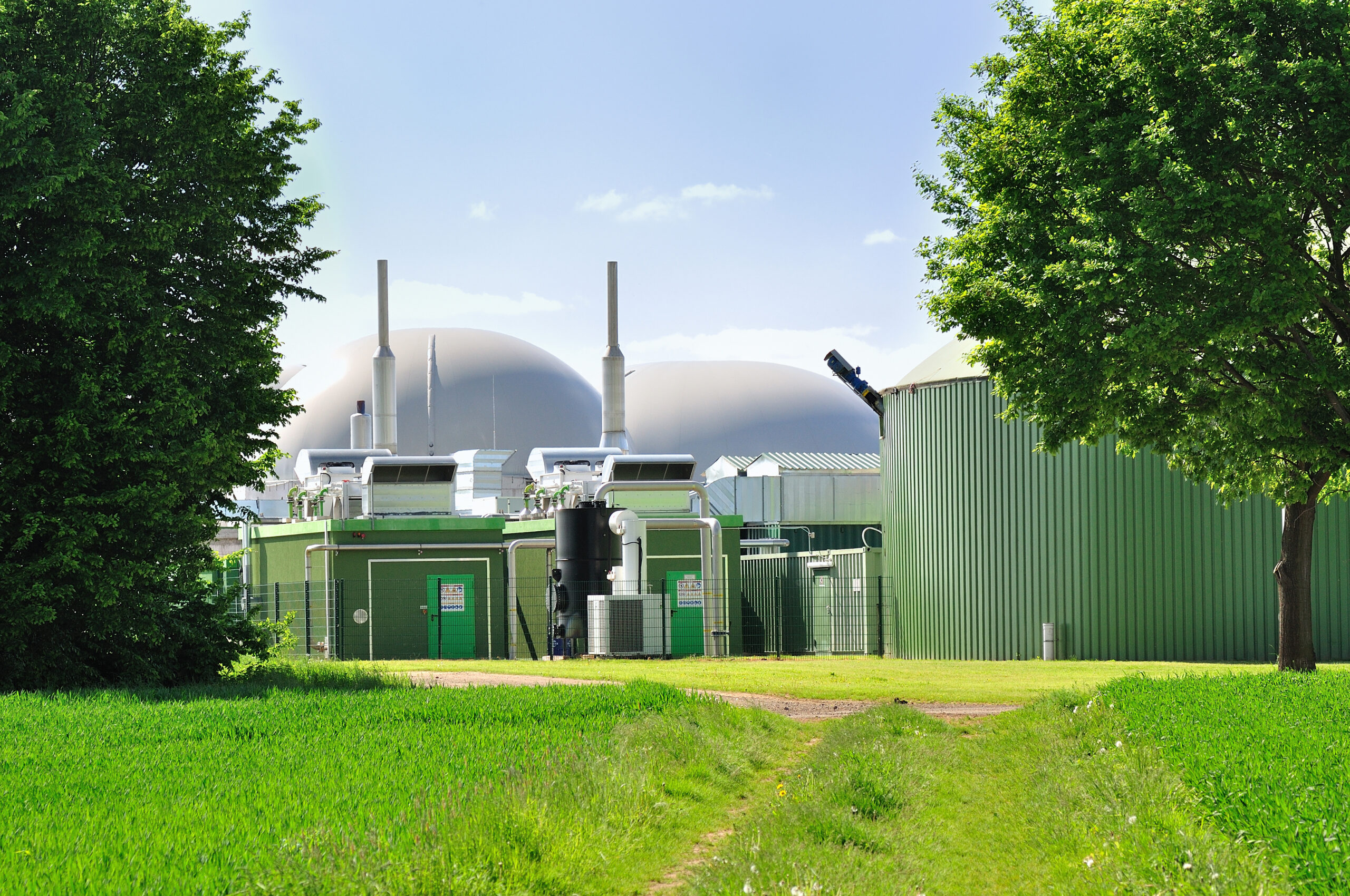
On May 29, 2024, the U.S. Treasury Department and the Internal Revenue Service issued a notice of proposed rulemaking (“NPRM”) that includes guidance on two of the Inflation Reduction Act of 2022’s renewable electricity tax credits – but which notably failed to provide guidance with respect to the eligibility of clean electricity generated by biogas or renewable natural gas (“RNG”) for those credits, leaving RNG developers with lingering questions. 


The future of the green hydrogen industry in the United States will become a bit clearer in the coming weeks. Comments on the proposed hydrogen tax credits in 26 USC 45V were due by February 26, 2024, and will be discussed at a public hearing scheduled for March 25, 2024. This hearing will provide the public a clearer prediction of 45V’s final form.

As the shift from fossil-based energy production to renewable energy sources continues, growth in renewable energy projects under development has been staggering. But moving projects from early-stage development to commercial operations requires navigating complicated methods of financing their development, construction, and operation via structures that vary depending on project ownership, size, technology, and the regulatory environment. 

In a vote that stretched into the evening, New Mexico’s legislature passed House Bill 41 by a 26-15 vote on February 13. The bill, which establishes a statewide program known as the “Clean Transportation Fuel Standards,” makes New Mexico the fourth U.S. state to enact a clean fuel standard (i.e., a marked-based set of policies designed to curb carbon emissions while incentivizing investment into renewable fuel projects and green vehicles). Oregon, Washington, and California have similar standards on their books.

On December 19, 2023, the California Air Resources Board (“CARB”), which administers the California Low Carbon Fuel Standard (“LCFS”), released a rulemaking package (“Draft Rule”) describing proposed LCFS changes, including changes designed to make carbon intensity (“CI”) reduction obligations more stringent.

Specifically, the Draft Rule would mandate a 30% reduction in transportation fuel CI scores by 2030 and a 90% reduction by 2045 (in each case, versus a 2010 baseline). Current CARB rules, which the Draft Rule would modify, require only a 20% reduction by 2030.

The prevailing wisdom is that increased carbon reduction obligations will spur renewable fuel demand, leading to an increase in the value of LCFS credits (which are created when renewable energy is used in producing transportation fuel, and can be transferred to industry participants subject to emission reduction obligations for use in meeting their obligations).

Solar energy and agricultural production often find themselves competitors. Both have strong incentives to expand, and they share a key input: land. Solar developers continue ramping up solar installation worldwide to meet heightened clean energy targets aimed at combating climate change, while agribusiness faces pressure to expand food production to support a growing population. Because solar development and crop production thrive under similar land conditions, namely, large, contiguous parcels of traditionally agricultural land, the two industries often find themselves competing for space.

Agrivoltaics aims to transform this competition into synergy: farming operations and solar development can coexist and reap benefits by sharing land. These arrangements are called agrivoltaic systems, and their widespread implementation can help popularize solar energy in agriculture-dependent communities hesitant to welcome solar development.