Biofuel, Biogas, and Fuel Alternatives

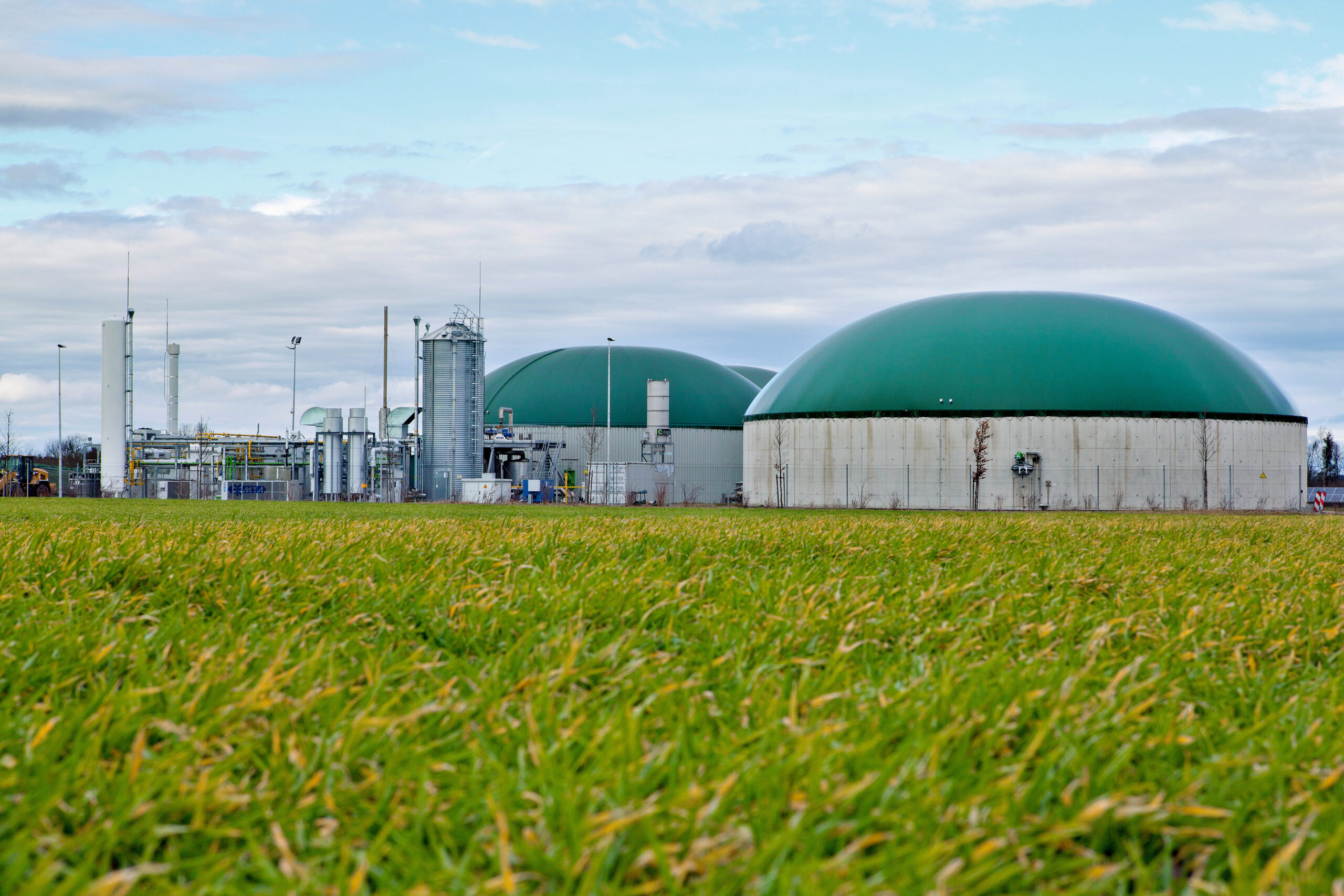
Biogas and renewable natural gas (RNG) projects are unique in energy infrastructure. They blend complex mechanical systems with biological processes that are sensitive to variables like feedstock composition and availability, process temperature, equipment performance and reliability, and operator skill. Given the importance of gas output to a project’s economics, fluctuations in these variables can quickly erode a project’s financial viability.

Public and private financial incentives for the construction and operation of renewable natural gas (RNG) projects have accelerated the growth of the industry over the past several years. While much of the RNG industry’s focus recently (for good reason) has been on qualifying for federal tax credits under the Inflation Reduction Act or state tax credits under programs like California’s Low Carbon Fuel Standard, there has been less emphasis on the voluntary credit market for private parties. However, with the phase-out of many of these public tax credits, RNG project participants are taking a closer look at the voluntary market.

With the use of artificial intelligence (AI) in computing applications booming, the need for computing power capable of supporting those applications has exploded, fueling an unprecedented surge in data center development. Those data centers require enormous amounts of power, primarily because of the many graphics processing units (GPUs) they use and the cooling systems those GPUs require. Berkeley Labs estimates that by 2029, data center power demands will account for up to 12 percent of all domestic power consumption.

Meeting the energy demands created by the supercharged pace of data center expansion will require the coordination and utilization of multiple energy types; no single energy type is expected to meet forecasted data center energy needs alone. As data center development skyrockets to meet AI power needs, the expansion of reliable, dispatchable power options will become increasingly important.

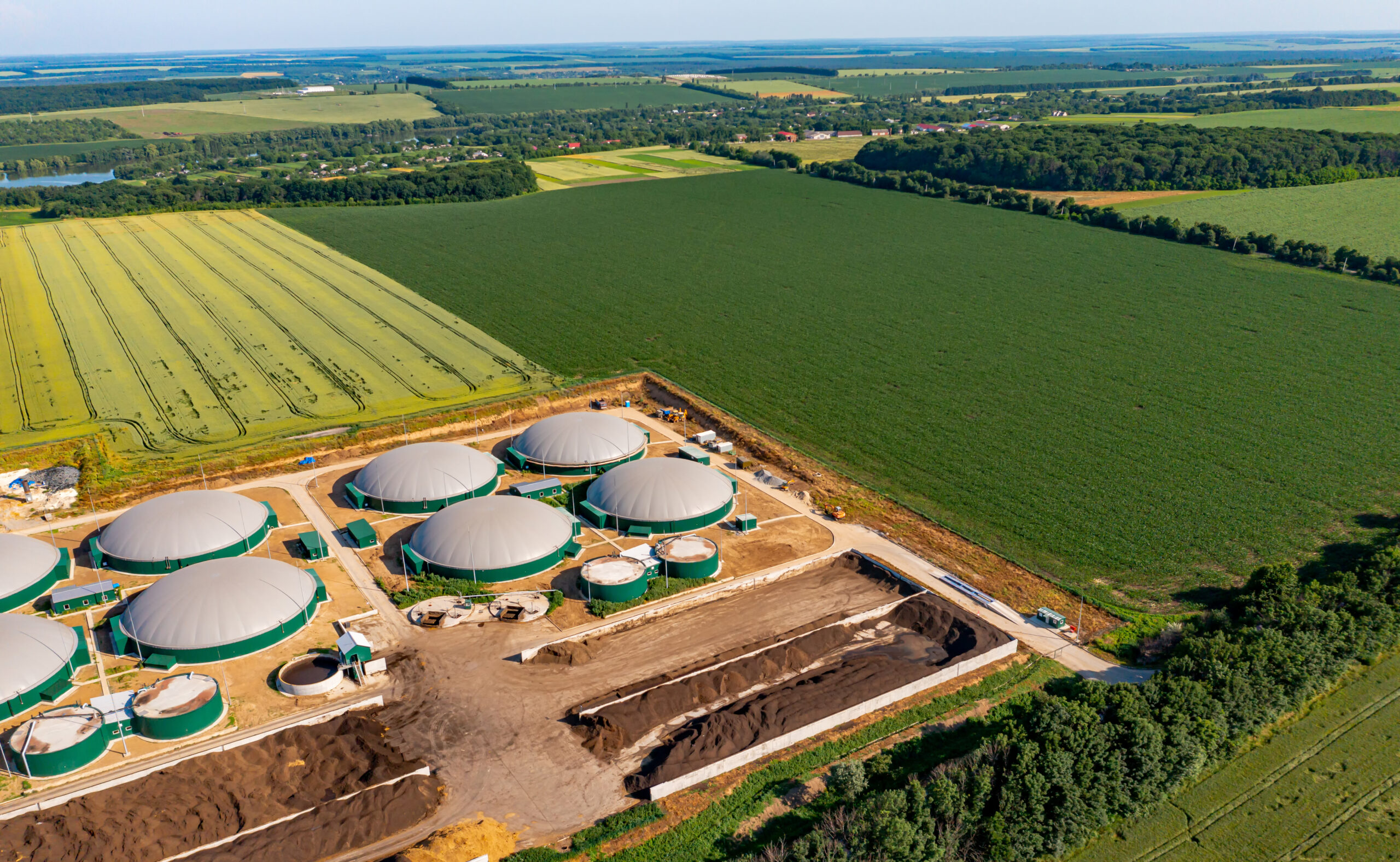
On June 4, 2025, the American Biogas Council, a national trade association representing the U.S. biogas industry, released new data analyzing each state’s untapped potential to generate renewable energy by diverting organic waste (e.g., manure, food waste, and wastewater sludge) to anaerobic digesters, which trap the gas generated by the decomposition of that waste (i.e., biogas) for conversion into energy. The process also generates nutrient-rich organic fertilizer which can be used at commercial scale in lieu of synthetic products.

Performance guarantees and performance liquidated damages (PLDs) are an essential element of most engineering, procurement, and construction (EPC) contracts, especially those related to solar and biogas projects; they make guaranteed levels of project performance, quality, and output enforceable. Specifically, PLDs compensate project owners for financial losses (or a reasonable approximation of them) incurred when projects fail to meet performance guarantees. Appropriately structuring PLDs in EPC contracts requires protecting project owners while balancing the risks for contractors, whose costs will often increase commensurate with increased contract risk. Ultimately, well-structured PLDs protect project owners, allocate appropriate risk to EPC contractors, and reassure financing parties that projects will perform as anticipated.

Upon becoming law in 2022, the Inflation Reduction Act (“IRA”) extended the opportunity to generate investment tax credits (“ITCs”) to renewable natural gas (“RNG”) projects, incentivizing the development of new projects and enabling some projects already in the development pipeline to capture material new value. Specifically, the IRA provided for the generation of ITCs pursuant

As year’s end approaches and biogas developers turn from Section 48 investment tax credits (“ITCs”) under the Inflation Reduction Act of 2022 (the “Act”), which required projects to begin construction before December 31, 2024, for eligibility, to Section 48E ITCs, it is critical to understand the differences between how each Section addresses biogas projects. Under Section 48, the Act extended and expanded existing ITCs, adding “qualified biogas property” as property eligible for credits.  However, projects that begin construction on or after January 1, 2025, will be subject to the technology-neutral Section 48E clean electricity ITCs, which may leave some biogas property ineligible for credits.

On May 29, 2024, the U.S. Treasury Department and the Internal Revenue Service issued a notice of proposed rulemaking (“NPRM”) that includes guidance on two of the Inflation Reduction Act of 2022’s renewable electricity tax credits – but which notably failed to provide guidance with respect to the eligibility of clean electricity generated by biogas or renewable natural gas (“RNG”) for those credits, leaving RNG developers with lingering questions. 

The future of the green hydrogen industry in the United States will become a bit clearer in the coming weeks. Comments on the proposed hydrogen tax credits in 26 USC 45V were due by February 26, 2024, and will be discussed at a public hearing scheduled for March 25, 2024. This hearing will provide the public a clearer prediction of 45V’s final form.

In a vote that stretched into the evening, New Mexico’s legislature passed House Bill 41 by a 26-15 vote on February 13. The bill, which establishes a statewide program known as the “Clean Transportation Fuel Standards,” makes New Mexico the fourth U.S. state to enact a clean fuel standard (i.e., a marked-based set of policies designed to curb carbon emissions while incentivizing investment into renewable fuel projects and green vehicles). Oregon, Washington, and California have similar standards on their books.