Renewable Energy & Clean Fuels

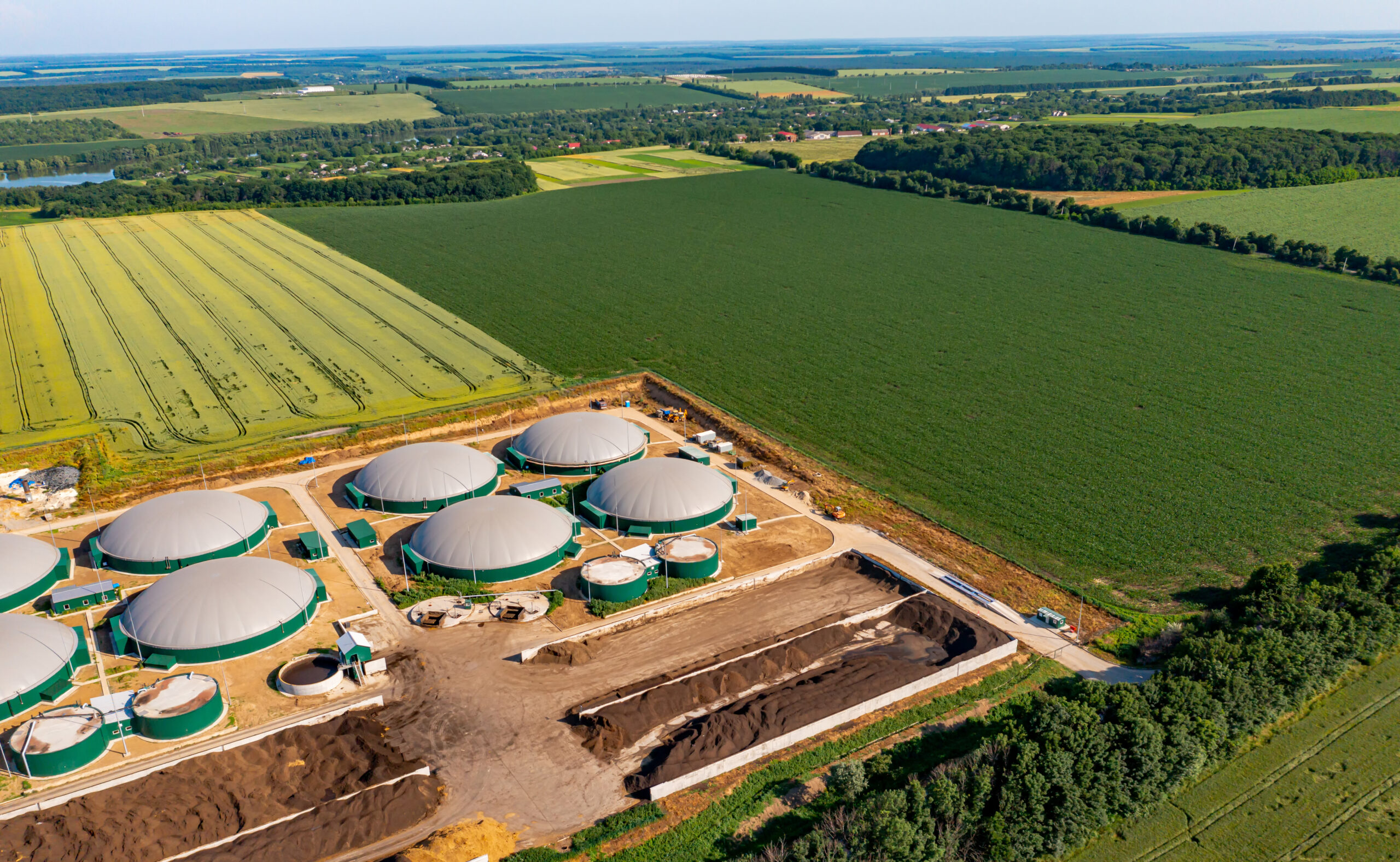
As year’s end approaches and biogas developers turn from Section 48 investment tax credits (“ITCs”) under the Inflation Reduction Act of 2022 (the “Act”), which required projects to begin construction before December 31, 2024, for eligibility, to Section 48E ITCs, it is critical to understand the differences between how each Section addresses biogas projects. Under Section 48, the Act extended and expanded existing ITCs, adding “qualified biogas property” as property eligible for credits.  However, projects that begin construction on or after January 1, 2025, will be subject to the technology-neutral Section 48E clean electricity ITCs, which may leave some biogas property ineligible for credits.

Since Congress first introduced the Corporate Transparency Act (“CTA”) and the beneficial ownership information reporting framework in January 2021, much of the focus has been on the specific reporting requirements that now apply to both domestic and foreign reporting companies (including corporations, limited liability companies, and partnerships). However, the CTA also has far reaching implications for the renewable energy industry and the players involved in tax equity partnerships.

Pressure from consumers, investors, and regulators to provide climate, environmental, and sustainability disclosures is increasing, but it is important for companies to ensure such disclosures are accurate, verifiable, and not misleading to avoid claims of “greenwashing” – making false or unsupportable claims regarding how a company and its products are environmentally friendly or have a

The Texas Attorney General recently issued Opinion KP-0467 (the “Opinion”) addressing “whether a person who negotiates a lease for property for the development of a wind power project on behalf of another, for compensation, must have a license from the Texas Real Estate Commission (“Commission”).”

Put simply, do Texas landmen need a Texas real estate license to negotiate wind leases? 

Solar developers in the PJM region, particularly in Pennsylvania, West Virginia, and Ohio, often encounter land with a complex history of mineral development. This history can significantly impact solar projects, from site planning to obtaining title insurance coverage. Understanding the interplay between surface and subsurface rights is crucial for developers to protect their interests and ensure project viability. Diligent site planning and careful review of mineral title research can go a long way in preventing worst case scenarios and mitigating risk.

As detailed previously, the Inflation Reduction Act (IRA) offers incentives to renewable energy development that takes place on certain properties that are affected by potential or confirmed contamination. Under the IRA, a 10% adder is available to any investment tax credit (ITC) or production tax credit (PTC) generated by a renewable energy project constructed on a “brownfield site,” and there have been many questions since the IRA’s passage about what constitutes a brownfield site.

On May 29, 2024, the U.S. Treasury Department and the Internal Revenue Service issued a notice of proposed rulemaking (“NPRM”) that includes guidance on two of the Inflation Reduction Act of 2022’s renewable electricity tax credits – but which notably failed to provide guidance with respect to the eligibility of clean electricity generated by biogas or renewable natural gas (“RNG”) for those credits, leaving RNG developers with lingering questions. 

The future of the green hydrogen industry in the United States will become a bit clearer in the coming weeks. Comments on the proposed hydrogen tax credits in 26 USC 45V were due by February 26, 2024, and will be discussed at a public hearing scheduled for March 25, 2024. This hearing will provide the public a clearer prediction of 45V’s final form.