Department of Energy

On December 18, 2025, the Federal Energy Regulatory Commission (FERC) directed PJM Interconnection, L.L.C. (PJM) to create new rules around the co-location of generation and data centers (FERC’s Dec. 18, 2025 Order, Docket Nos. EL25-49, AD24-11, EL25-20). With several proceedings pending at the Commission to address the growing demand for energy from large load entities—including major rulemaking proceeding directed by the Department of Energy (DOE) on October 23, 2025—FERC’s December 18 order offers the first window into how the Commission will address the challenges facing the nation’s electricity grid. These challenges include balancing resource adequacy, grid reliability, and fair cost allocation for any needed grid expansions to accommodate new AI-driven data centers. FERC is expected to issue a proposed rulemaking in the coming weeks with additional guidance on how it plans to shape the future of data center development in the U.S.
When the legendary writer John McPhee described a blind, over-the-shoulder basketball shot of the equally legendary Bill Bradley, he fixed on Bradley’s explanation of how he managed to score apparently without looking at the basket. Bradley simply said, “you develop a sense of where you are.” That ‘sense’ allowed him to accomplish his purpose with no immediate idea about how his goal would be affected by events around him.

Industry participants, watchers, and regulators might enquire where we are in the complex but seemingly endless process of modernizing the U.S. electric system. Is the current focus on streamlining regulatory approval processes for infrastructure development generally— and the siting and permitting of electric transmission in particular—a sign that it’s time for the easy stuff since the Rubik’s Cubes of access, planning, cost allocation, and accommodating new technology are approaching resolution? Will this in turn be followed by a surge in electric transmission grid expansion and market integration? Ironically, during the decade of debate over siting and permitting—while policymakers make corridor determinations, run steering committees, and manufacture procedural shortcuts—U.S. transmission construction has declined precipitously. Does this give confidence that we know where we are, where the grid is headed, and how the industry will get there?

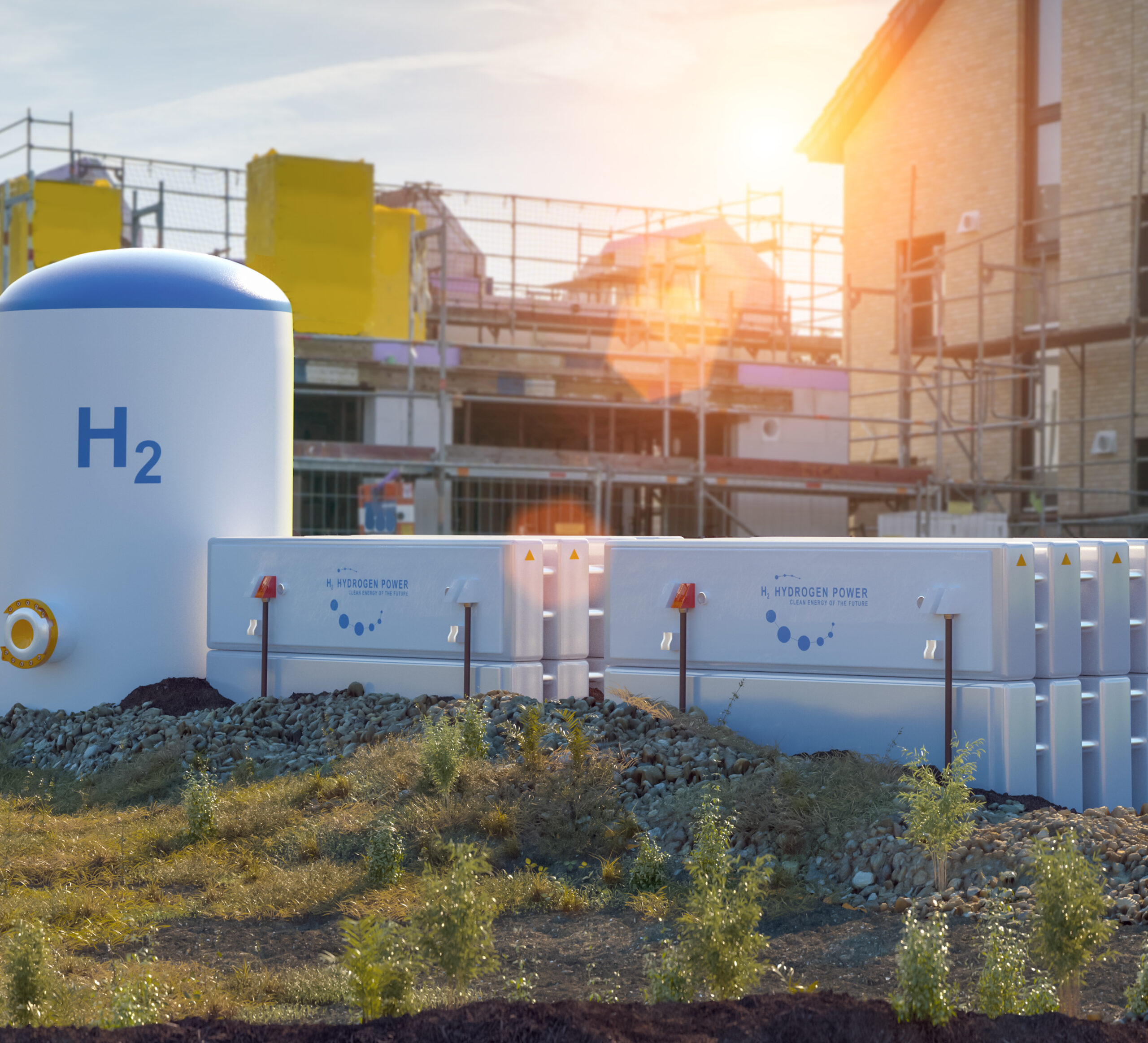
On January 27, 2023, the U.S. Department of Energy (DOE) announced its intent to invest up to $47 million in funding for clean hydrogen research, development, and demonstration (RD&D) as part of its “Hydrogen Shot” – a program intended to reduce the cost of clean hydrogen to $1 per kilogram in the coming decade by reducing costs and improving the performance of hydrogen fuel cells. Hydrogen Shot is also part of the Biden administration’s strategy to decarbonize the electric grid entirely by 2035 and to reach net-zero emissions by 2050.

The Inflation Reduction Act of 2022 (IRA) builds upon recent incentives for investment in hydrogen by encouraging producers and end users of clean hydrogen to continue developing clean hydrogen infrastructure. This article provides an overview of the incentives and how they may be accessed.

On November 3, 2022, the Internal Revenue Service (IRS) issued three notices (“November 3 Notices”) requesting public input on the climate and clean energy incentives contained in the Inflation Reduction Act (“IRA”). The November 3 Notices request comments by December 2, 2022, on the amendments, extensions, and enhancements of the IRA’s energy tax benefits. The November 3 Notices follow an initial set of six notices that were issued by the IRS on October 5, 2022 to seek public input on other aspects of the energy tax incentives contained in the IRA.

On September 22, 2022, the U.S. Department of Energy (DOE) announced a $6-7 billion Funding Opportunity to begin the development of a nationwide program for the planning, construction, and operation of commercial-scale Regional Clean Hydrogen Hubs, known colloquially as “H2Hubs.” H2Hubs are defined as “a network of clean hydrogen producers, potential clean hydrogen consumers, and connective infrastructure located in close proximity.” The DOE’s effort results from the Bipartisan Infrastructure Law (BIL) passed in 2021. The BIL appropriates $8 billion over a five-year period (2022-2026) and amends the Energy Policy Act of 2005 to establish a program to develop four to ten regional H2Hubs.

On September 29, the Department of Energy (DOE) issued a notice that may impact wholesale rates in all federally regulated wholesale markets (not including ERCOT), possibly affecting: (i) merchant plant owners, (ii) wholesale market customers, (iii) renewable and gas fired generation, (iv) coal and nuclear power plant owners, and (v) power traders.  Husch Blackwell energy regulatory attorneys Linda Walsh, Chris Reeder and Sylvia Bartell issued a detailed client alert on the Notice of Proposed Rulemaking (NOPR) issued by DOE requiring regional transmission organizations (RTOs) and independent system operators (ISOs) “to ensure that certain reliability and resilience attributes of electric generation resources are fully valued.” The proposed market reform would provide

In an in-depth and informative analysis on the Department of Energy’s recently released Staff Report to the Secretary on Electricity Markets and Reliability, Husch Blackwell regulatory attorneys Linda Walsh and Sylvia Bartell examine the department’s stated goal of considering past and current trends in the electric industry in an effort to “exercise foresight to help ensure a

In a four-part series recently published in Law360, Husch Blackwell’s energy regulatory group analyzed the significant aspects of the U.S. Department of Energy’s (DOE) most recent installment of the Quadrennial Energy Review (QER). The first article focused on the QER’s discussion of the critical role that the nation’s electricity industry plays in supporting the country’s economy and national security.  The second installment examined the QER’s emphasis on grid security. The third focused on