Real Estate & Land Use

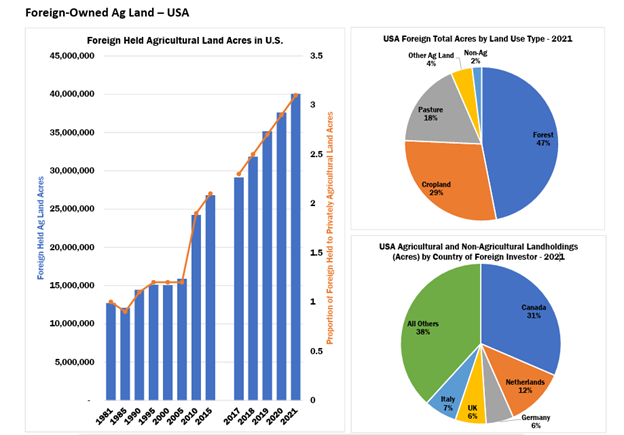
In recent years, the U.S. government has become increasingly concerned about foreign ownership of agricultural land. According to the most recent U.S. Department of Agriculture (USDA) report, foreign owners (primarily Canadian) hold an interest in nearly 45 million acres of U.S. agricultural land.
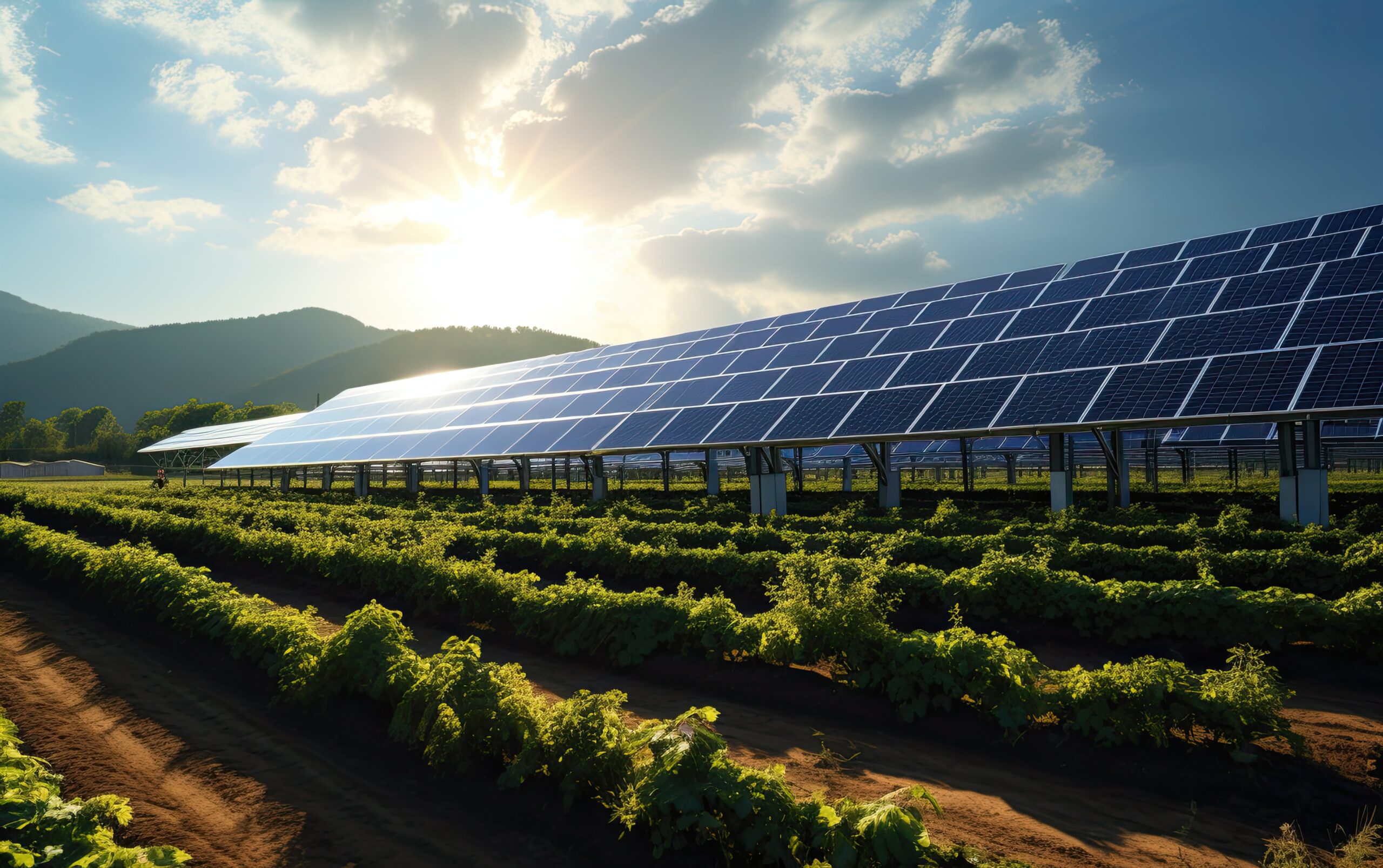

Solar developers contend with a wide array of challenges, from competing for viable project sites to combatting disinformation surrounding the expansion of clean energy development. With demand for energy rapidly growing across the nation, considering a full suite of project designs allows developers to put their best foot forward when collaborating with local stakeholders.

Although the use of a shared facilities agreement (SFA) for co-located energy projects is not a new concept, their use has increased significantly in recent years due to the rise in co-located generation, storage, and load infrastructure, particularly in the case of data centers. In general, an SFA grants each party a co-tenancy ownership interest in certain shared facilities, subject to detailed management, operations, and cost-sharing provisions, among other considerations.

Given the increasing frequency of their use, owners, operators, financing parties, and developers should understand when, why, and how SFAs can (or should) be used to avoid potential regulatory, operational, or cost-allocation issues with co-located projects.

Companies’ obligations to identify and disclose climate-related financial risks and climate data have become increasingly complex in recent years, both at the state and federal levels. The fate of federal climate disclosure rules remains unclear, with the Securities and Exchange Commission (SEC), other federal agencies, and the courts deferring action. Meanwhile, some states, such as California, are stepping in with their own robust requirements.

When the legendary writer John McPhee described a blind, over-the-shoulder basketball shot of the equally legendary Bill Bradley, he fixed on Bradley’s explanation of how he managed to score apparently without looking at the basket. Bradley simply said, “you develop a sense of where you are.” That ‘sense’ allowed him to accomplish his purpose with no immediate idea about how his goal would be affected by events around him.

Industry participants, watchers, and regulators might enquire where we are in the complex but seemingly endless process of modernizing the U.S. electric system. Is the current focus on streamlining regulatory approval processes for infrastructure development generally— and the siting and permitting of electric transmission in particular—a sign that it’s time for the easy stuff since the Rubik’s Cubes of access, planning, cost allocation, and accommodating new technology are approaching resolution? Will this in turn be followed by a surge in electric transmission grid expansion and market integration? Ironically, during the decade of debate over siting and permitting—while policymakers make corridor determinations, run steering committees, and manufacture procedural shortcuts—U.S. transmission construction has declined precipitously. Does this give confidence that we know where we are, where the grid is headed, and how the industry will get there?

As the energy landscape continues to evolve, so too does the regulatory framework governing it. Texas House Bills 3809 and 3228 introduce significant changes to the decommissioning and recycling requirements for Battery Energy Storage Facilities (“BESFs”), Solar Power Facilities, and Wind Power Facilities in Texas. This legislation, effective for agreements entered into on or after September 1, 2025, mandates specific obligations for the removal and recycling of facility components. Here’s what you need to know to ensure compliance in your lease agreements.

The United States Environmental Protection Agency (EPA) in July of this year designated two PFAS (perfluoroalkyl and polyfluoroalkyl substances) chemical types as “hazardous substances” under the federal Comprehensive Environmental Response Compensation and Liability Act (CERCLA, better known as the Superfund liability law), which has had a major impact in the ever-evolving environmental regulatory arena. PFAS substances are commonly referred to as “forever chemicals” because, according to the EPA, they are difficult to break down and can accumulate and persist in the human body for long periods of time. Because PFAS chemicals have been manufactured and used in a large variety of products for decades, the EPA states that they are found in water, air, fish and soil at locations around the globe. The Superfund designation is part of a larger EPA strategy to address PFAS contamination, including promulgation in April of this year of new and very strict standards for PFAS in drinking water. In addition, there has been movement by several states to regulate PFAS, including some that are imposing bans on use of PFAS chemicals in a growing range of products.

Renewable energy developers and financing parties are likely aware of the Agricultural Foreign Investment Disclosure Act (“AFIDA”), a federal law requiring disclosure of foreign investment in agricultural land. Increasingly, U.S. states are imposing AFIDA-like disclosure requirements and restrictions on foreign land ownership, including with respect to renewable energy project sites. This trend is driven by