Battery Storage and Technology

As the energy landscape continues to evolve, so too does the regulatory framework governing it. Texas House Bills 3809 and 3228 introduce significant changes to the decommissioning and recycling requirements for Battery Energy Storage Facilities (“BESFs”), Solar Power Facilities, and Wind Power Facilities in Texas. This legislation, effective for agreements entered into on or after September 1, 2025, mandates specific obligations for the removal and recycling of facility components. Here’s what you need to know to ensure compliance in your lease agreements.

Domestic energy production was a subject of much attention in the recently passed federal legislation. That legislation eliminated significant future tax incentives for new construction of large-scale wind and solar projects. Other energy generation sources are expected to be used more intensively and for a longer period of time than previously assumed in order to meet significant anticipated growth in domestic energy demand.

As we have discussed in recent articles and as has been well publicized, two recent actions out of Washington are significantly impacting the renewable energy industry. The recently enacted One, Big, Beautiful Bill Act (OBBBA) imposes new deadlines on renewable energy facilities to begin construction and/or be placed into service in order to qualify for tax credits. This is discussed in detail in our recent articles here.

In addition to the OBBBA, on July 7, 2025, President Trump issued an Executive Order (EO), directing the Secretary of Treasury to—within 45 days following enactment of the OBBBA (which is August 18, 2025)—strictly enforce the termination of renewable energy tax credits. This includes issuing new guidance “to ensure that policies concerning the ‘beginning of construction’ are not circumvented, including by preventing the artificial acceleration or manipulation of eligibility and by restricting the use of broad safe harbors unless a substantial portion of a subject facility has been built.”

The One Big Beautiful Bill Act (OBBBA), signed into law by President Donald Trump on July 4, 2025, provides for enhanced restrictions on entities claiming many of the renewable energy credits established under the Inflation Reduction Act of 2022 (IRA). Namely, the bill prohibits foreign entities of concern (FEOCs), as well as domestic entities that are related to or otherwise engage in significant transactions with FEOCs, from claiming such credits. The credits that are subject to the new FEOC limitations under the bill include:

  • the Clean Energy Production Credit (Section 45Y);
  • the Clean Electricity Investment Credit (Section 48E);
  • the Zero-Emission Nuclear Power Production Credit (Section 45U);
  • the Advanced Manufacturing Production Credit (Section 45X);
  • the Credit for Carbon Oxide Sequestration (Section 45Q); and
  • the Clean Fuel Production Credit (Section 45Z).

On July 4, 2025, the One, Big, Beautiful Bill Act (the Act) was enacted. Several provisions of the Act will impact renewable energy projects and the tax credits generated by such projects. Such provisions include the accelerated termination for wind and solar credits, as well as restrictions with respect to foreign entities of concern. Most of the energy provisions of the Act will take effect beginning with the taxable year beginning after that date of enactment (i.e., the taxable year beginning January 1, 2026, for most taxpayers), although there are some deviations, as described below.

Under the Senate Finance Committee’s June 28th version of the One, Big, Beautiful Bill (the “Bill”), there are several limitations and requirements that would take effect based on the date a project begins construction. For solar and wind projects, unless construction begins prior to enactment of the Bill, the production tax credit and investment tax credit under section 45Y and 48E will terminate for projects that are placed in service after 2027. Additionally, certain restrictions on material assistance from prohibited foreign entities would apply to solar and wind projects which begin construction after June 16th and most other projects that begin construction after 2025. The provisions of the Bill are still being negotiated in the Senate. However, establishing the beginning of construction will almost certainly remain important for developers of renewable energy projects.

The Senate Finance Committee recently released its own draft of the “One Big Beautiful Bill Act” (the Bill) previously passed by the House as H.R. 1. Both the House and Senate versions of the Bill impose restrictions on Inflation Reduction Act (IRA) tax credits based on “material assistance” from “Foreign Entities of Concern” (FEOCs). The House version lacked significant details on what “material assistance” was. The Senate Bill provides significant details on the structure and operation of the restrictions.

On June 16, 2025, the Senate Finance Committee released its version of the “One, Big Beautiful Bill” (OBBB) that would create a steep phase-out of renewable energy tax credits—notably, renewable energy companies would have to start construction on wind and solar projects before December 31, 2025, to receive 100% of the available tax credits. The reconciliation process is far from over, and there are further revisions expected to the text, but the Senate Finance Committee is the final committee in the Senate expected to release legislative text related to energy tax credits.

Its version of the bill includes the following provisions.

NERC recently filed rule changes with FERC that propose to significantly expand NERC registration and compliance requirements to inverter based resources, such as renewable energy and battery facilities, that historically were too small to be subject to such requirements.  NERC’s proposed rule changes are one of the latest developments in NERC’s multi-year effort to address the “reliability gap” associated with these types of resources.

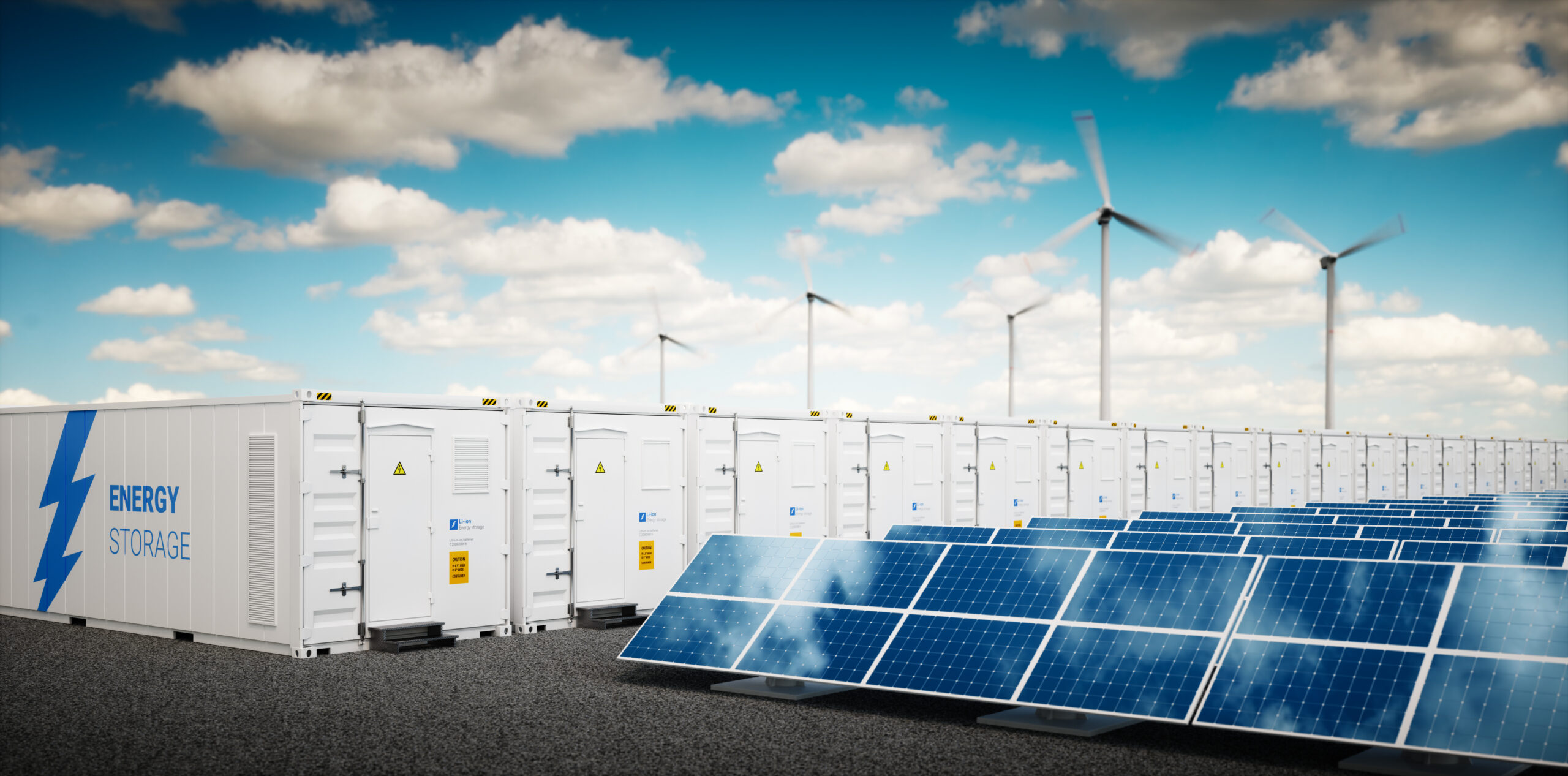
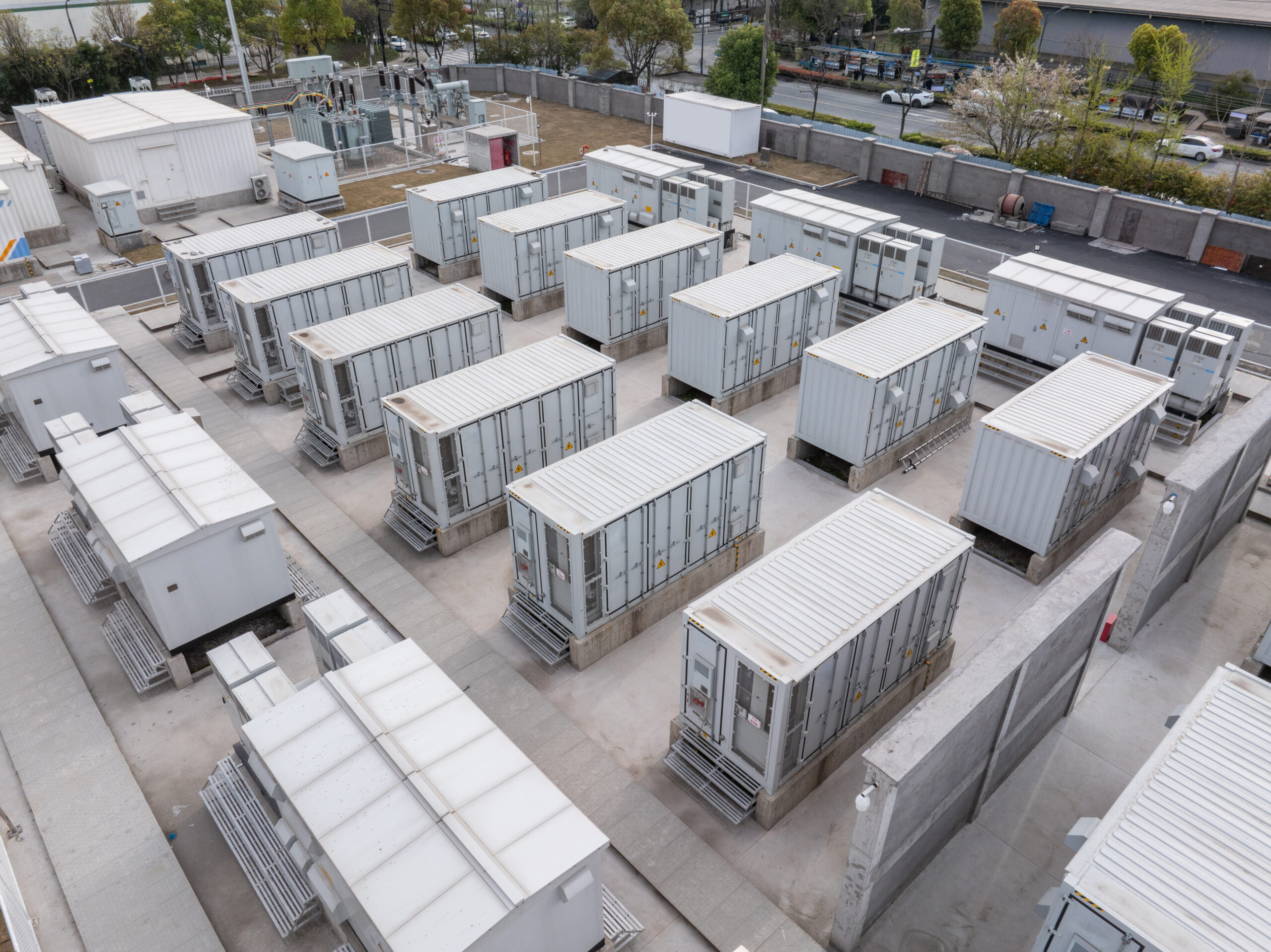
As the energy transition continues, battery energy storage has become an increasingly critical form of technology to support and maximize variable renewable energy resources such as wind and solar, and add a level of reliability and resilience to the grid. While the development process for a standalone battery energy storage project typically does not differ significantly from its wind or solar counterparts, there are a several considerations unique to the nature of battery storage to consider when negotiating the site control documents for the project.