Renewable Energy

Thanks to the Inflation Reduction Act (IRA), which went into effect in January, it can pay to be a brownfield – a term used to refer to a property that is affected by potential or confirmed contamination. Specifically, the IRA offers incentives to renewable energy development that takes place on a brownfield site, which is included as an “energy community” under the IRA. On April 4, 2023, the Internal Revenue Service (IRS) and the Department of Treasury published limited guidance (Notice 2023-29, Energy Community Bonus Credit Amounts under the Inflation Reduction Act of 2022) on the bonuses available for production and investment of energy facilities in energy communities. Unfortunately, even with the guidance, the eligibility of certain sites as brownfields remains uncertain.

In a rulemaking issued April 6, 2023, the Public Utility Commission of Texas (“Commission”) adopted amendments to market participant registration and certification requirements.[1] The Commission’s rule amendments significantly change qualification and reporting requirements for Retail Electric Providers (“REP”), Power Generation Companies (“PGC”), Self-Generators, and Power Marketers. This article outlines the most significant of these

The siting of renewable energy infrastructure remains a contentious issue in some communities. Throughout the United States — both on the coasts and in the Midwest — new renewable energy development pits unlikely advocates against unlikely opposition. That said, more and more State governments that are looking to grow their renewable energy industries and meet climate goals are implementing legislative solutions to these renewable energy siting issues.

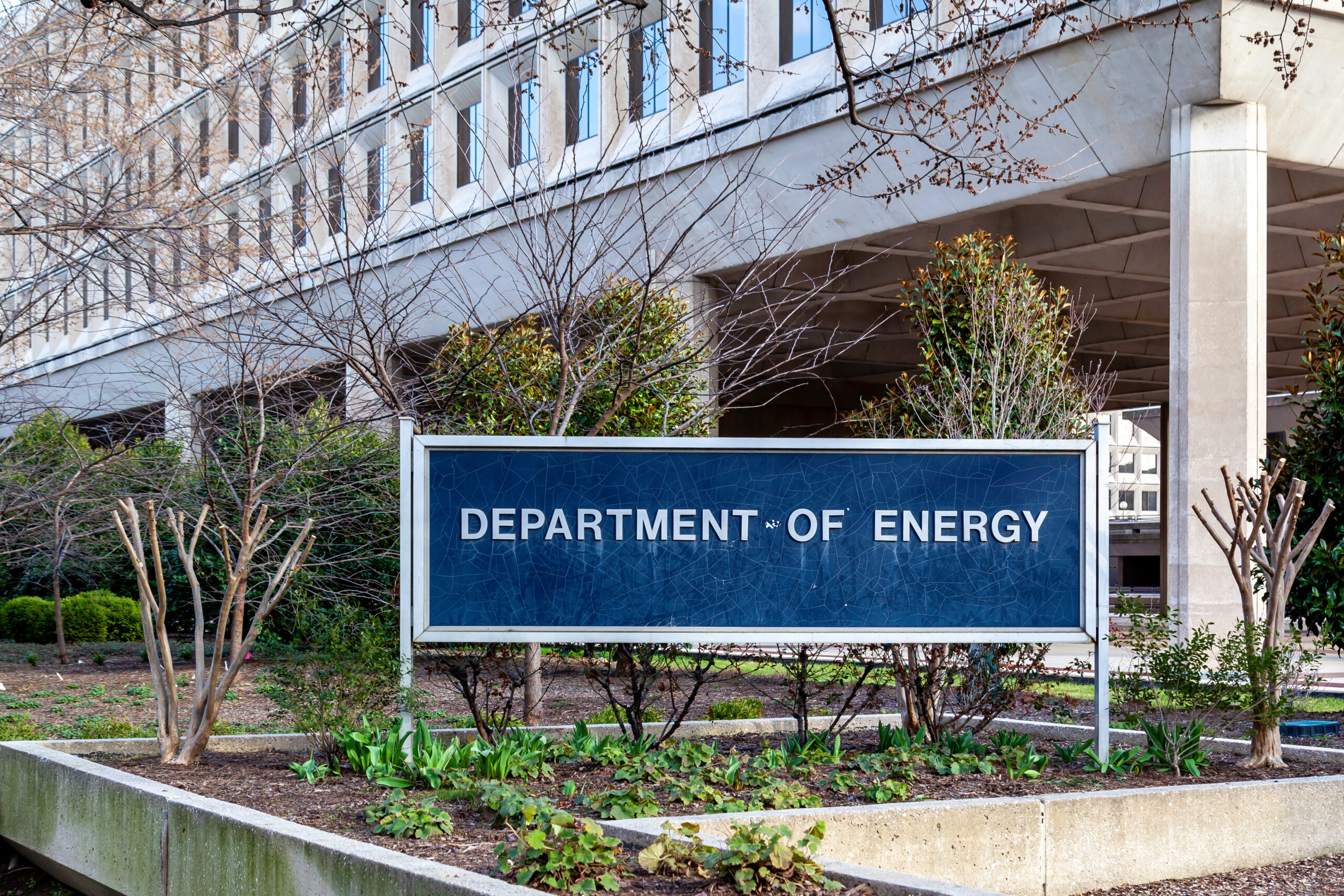
On January 27, 2023, the U.S. Department of Energy (DOE) announced its intent to invest up to $47 million in funding for clean hydrogen research, development, and demonstration (RD&D) as part of its “Hydrogen Shot” – a program intended to reduce the cost of clean hydrogen to $1 per kilogram in the coming decade by reducing costs and improving the performance of hydrogen fuel cells. Hydrogen Shot is also part of the Biden administration’s strategy to decarbonize the electric grid entirely by 2035 and to reach net-zero emissions by 2050.

Confirming landowners’ signatory authority is crucial when preparing renewable energy leases or conducting due diligence in a renewable energy financing transaction. It is not enough to rely on a landowner’s word that he or she owns a proposed project area and has the right to encumber it with a renewable energy lease. While some leases include language certifying that the landowner executing the agreement has signatory authority, failing to properly confirm that authority can result in title issues, potentially requiring lease amendments or resulting in the denial of title insurance.

On November 3, 2022, the Internal Revenue Service (IRS) issued three notices (“November 3 Notices”) requesting public input on the climate and clean energy incentives contained in the Inflation Reduction Act (“IRA”). The November 3 Notices request comments by December 2, 2022, on the amendments, extensions, and enhancements of the IRA’s energy tax benefits. The November 3 Notices follow an initial set of six notices that were issued by the IRS on October 5, 2022 to seek public input on other aspects of the energy tax incentives contained in the IRA.

In Texas, title insurance forms are promulgated by the Texas Department of Insurance (the “TDI”), with policy types, premium amounts, and the issuance of endorsements being regulated by standardized procedural and rate rules. Thus, title deliverables required for debt and equity financing transactions tend to be generally uniform in Texas renewable energy transactions.

In the wake of increasing inflation and as a means of codifying several of the Biden administration’s legislative priorities, the Senate passed the $750 billion Inflation Reduction Act on August 7, 2022 (the “Act”), by a 51-50 party-line vote. The Act, which is comprised of sweeping healthcare, energy, and tax measures, was approved by the House of Representatives on August 12, 2022, and signed into law by President Biden on August 16, 2022, creating a significant number of renewable energy sector benefits.

In order to keep pace with the federal government’s ambitious goal of permitting the production of at least twenty-five (25) gigawatts of renewable energy through projects placed on public land by 2025, the Department of the Interior (the “DOI”) recently announced several policy changes to ensure developing renewable projects on public land is attractive and affordable for third-party developers and investors.