At its May 13, 2024 open meeting, the Federal Energy Regulatory Commission (FERC) approved a groundbreaking final rule—Order No. 1920[1] —requiring public utilities to undertake new long-term regional transmission planning over a 20-year horizon and allocate the cost of selected transmission projects in a manner that corresponds to the benefits they provide. 

On May 29, 2024, the U.S. Treasury Department and the Internal Revenue Service issued a notice of proposed rulemaking (“NPRM”) that includes guidance on two of the Inflation Reduction Act of 2022’s renewable electricity tax credits – but which notably failed to provide guidance with respect to the eligibility of clean electricity generated by biogas or renewable natural gas (“RNG”) for those credits, leaving RNG developers with lingering questions. 

For one reason or another, not every parcel of land originally targeted for a renewable energy project is able to be included in a final site plan. Typically, developers try to secure private easements from contiguous landowners, but landowners are not always willing to execute easements.


On April 30, 2024, the Department of the Treasury issued final regulations on tax credit transfers that allow hydrogen producers to sell tax credits earned under § 45V of the Inflation Reduction Act (IRA). Section 6418 of the Internal Revenue Code and the final regulation issued thereunder allow credit purchasers to use purchased credits to offset their tax liability. Credit sellers will be able to sell credits that they would not otherwise be able to use due to insufficient tax liability. Given such powerful incentives, many energy producers are wondering how to add “green” hydrogen (discussed below) to their portfolios by powering hydrogen facilities with wind turbines and solar panels. Here, we discuss what wind and solar producers should keep in mind as they plan, negotiate, and begin developing hydrogen plants powered by renewable energy, with a particular focus on site control.

NERC recently filed rule changes with FERC that propose to significantly expand NERC registration and compliance requirements to inverter based resources, such as renewable energy and battery facilities, that historically were too small to be subject to such requirements.  NERC’s proposed rule changes are one of the latest developments in NERC’s multi-year effort to address the “reliability gap” associated with these types of resources.

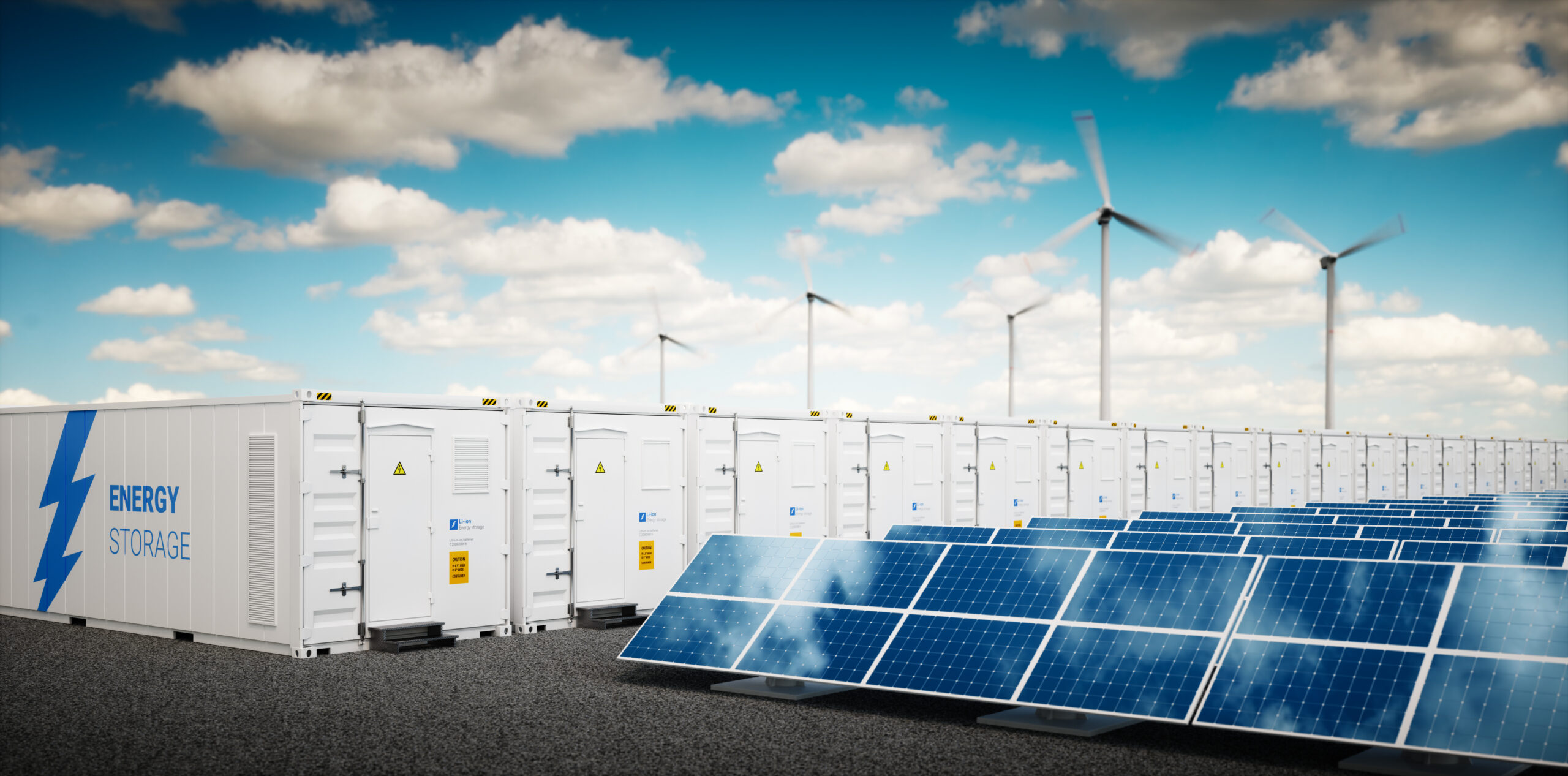
As the energy transition continues, battery energy storage has become an increasingly critical form of technology to support and maximize variable renewable energy resources such as wind and solar, and add a level of reliability and resilience to the grid. While the development process for a standalone battery energy storage project typically does not differ significantly from its wind or solar counterparts, there are a several considerations unique to the nature of battery storage to consider when negotiating the site control documents for the project.

Allocating subsurface risk is always a key point of negotiation between owners and contractors in engineering, procurement, and construction (“EPC”) contracts, given its potential price and schedule impacts. Parties can utilize contractual, practical, and creative approaches to address subsurface risk, both before and after EPC contract execution.