Photo of Linda Walsh

Linda Walsh

Linda focuses on regulatory issues affecting the electric utility industry.

Linda counsels and advocates for clients on a broad range of federal regulations covering electric utilities. Her experience representing utilities before FERC informs strategies for clients developing new business opportunities, handling compliance matters or faced with litigation.

On January 14, 2026, the Federal Energy Regulatory Commission (FERC) accepted new rules proposed by Southwest Power Pool, Inc. (SPP) regarding the interconnection of High Impact Large Loads (HILLs) and the interconnection of new generation facilities that will be used to serve them, called High Impact Large Load Generation Assessment (HILLGA) in Docket No. ER26-247. This order, along with the recent order directing PJM Interconnection, L.L.C. (PJM) to propose rules for Co-Located generation and large loads, offer the first glimpse into how FERC will address the challenges facing the nation’s electricity grid. These include balancing resource adequacy, grid reliability, and fair cost allocation for any needed grid expansions to accommodate new AI-driven data centers.

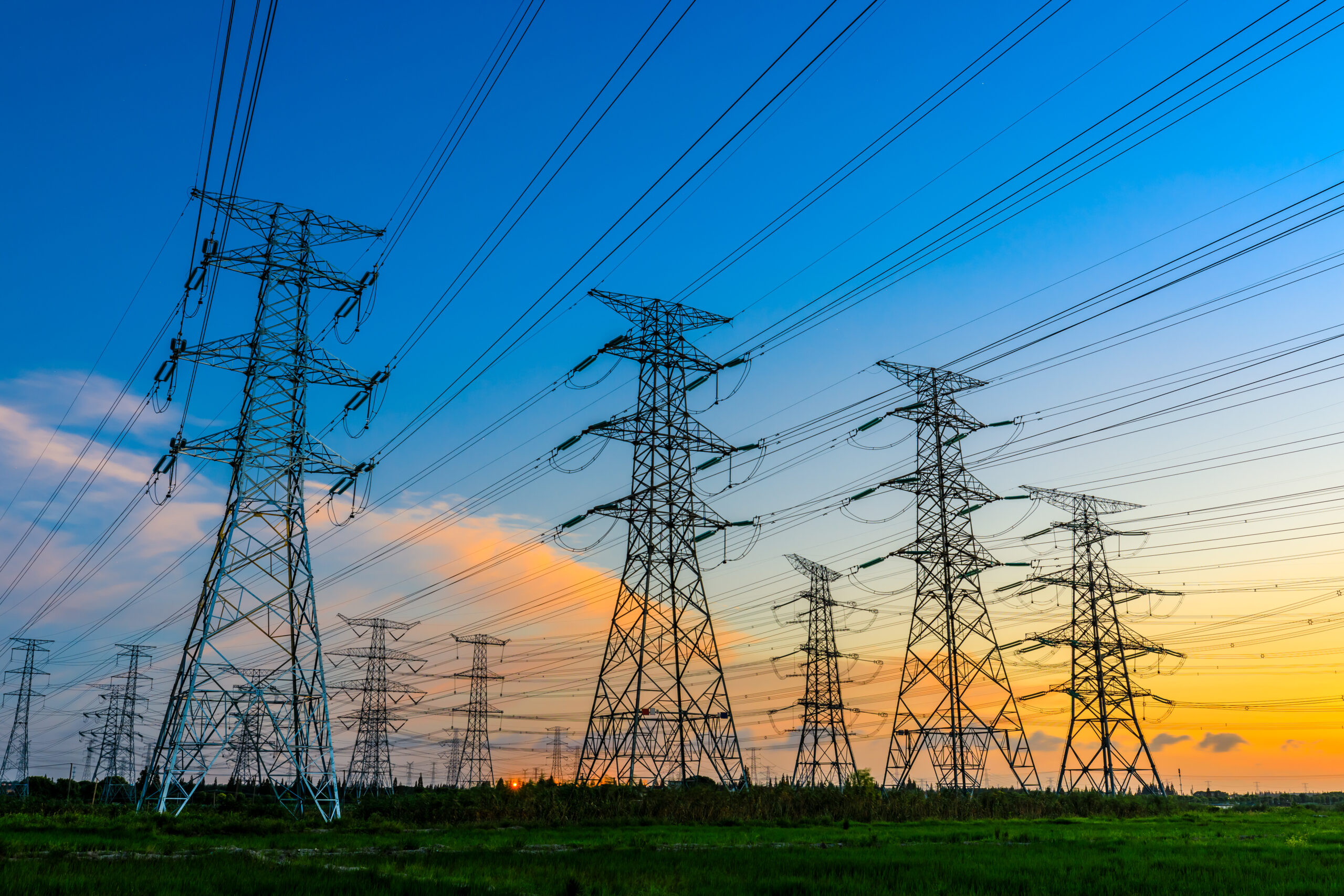
On December 18, 2025, the Federal Energy Regulatory Commission (FERC) directed PJM Interconnection, L.L.C. (PJM) to create new rules around the co-location of generation and data centers (FERC’s Dec. 18, 2025 Order, Docket Nos. EL25-49, AD24-11, EL25-20). With several proceedings pending at the Commission to address the growing demand for energy from large load entities—including major rulemaking proceeding directed by the Department of Energy (DOE) on October 23, 2025—FERC’s December 18 order offers the first window into how the Commission will address the challenges facing the nation’s electricity grid. These challenges include balancing resource adequacy, grid reliability, and fair cost allocation for any needed grid expansions to accommodate new AI-driven data centers. FERC is expected to issue a proposed rulemaking in the coming weeks with additional guidance on how it plans to shape the future of data center development in the U.S.

On February 1, 2025, President Trump issued an executive order titled Imposing Duties to Address the Flow of Illicit Drugs Across Our Northern Border (Canadian Tariff Order),[1] which, inter alia, imposed a 10 percent import tariff on “energy or energy resources” that “are products of Canada.”[2] Additional detail on this order can be found here. Although delayed during negotiations between the US and Canada,[3] the Canadian Tariff Order, including its 10% energy import tariff, ultimately went into effect on March 4, 2025. On March 6, 2025, President Trump issued an executive order exempting goods qualifying under the United States-Mexico-Canada Free Trade Agreement (USMCA) from the Canadia Tariff Order effective 12:01 a.m. on March 7, 2025. However, the President has indicated that the 10% tariff on such goods will resume on April 2, 2025.

At its latest open meeting on February 20, 2025, the Federal Energy Regulatory Commission (FERC) issued an order directing PJM Interconnection, L.L.C. (PJM) and the PJM Transmission Owners (PJM TOs) to demonstrate why the PJM Tariff’s lack of clear rules for co-location arrangements is acceptable or to explain the Tariff changes they would propose to address co-location issues (Show Cause Order). FERC’s Order is focused on the PJM region because there are several contested FERC proceedings involving co-location arrangements in PJM. However, FERC has indicated that it intends to act quickly on co-location arrangements across its jurisdiction. Accordingly, the results of the PJM Show Cause proceeding will likely serve as precedent in other RTO and non-RTO regions under FERC’s jurisdiction. 

The Trump administration issued several executive orders and memorandums on the President’s first days in office, targeting the energy industry. Key actions include halting certain new federal actions for offshore and onshore wind projects and revisiting existing programs and policies. However, the impacts of the executive actions appear to be limited thus far. Privately funded

On December 19, 2024, FERC issued a Notice of Proposed Rulemaking (NOPR) to approve the addition of the newly defined term “Ride-through” to the North American Electric Reliability Corporation (NERC) Glossary of Terms and to approve the proposed Protection and Control (PRC) Reliability Standards PRC-024-4 (Frequency and Voltage Protection Settings for Synchronous Generators, Type 1 and 2 Wind Resources, and Synchronous Condensers) and PRC-029-1 (Frequency and Voltage Ride-through Requirements for Inverter-Based Resources (IBR)). According to FERC, these reliability standards are intended to address reliability gaps associated with IBRs tripping or entering momentary cessation in aggregate. The new rules will ensure that IBRs are able to “ride through” frequency and voltage excursions, such as faults on the transmission or sub-transmission system. In the NOPR, FERC seeks comments on the proposed rules and the need for informational filings that would help FERC analyze the impact of proposed exemptions in the rules for certain IBRs.

On October 17, 2024, the Federal Energy Regulatory Commission (FERC) issued Order No. 904, Compensation for Reactive Power Within the Standard Power Factor Range, 188 FERC ¶ 61,034 (2024) (Final Rule). With this Final Rule, FERC is eliminating all compensation for reactive power provided by generators within the standard power factor range of 0.95 leading to 0.95 lagging.

At its May 13, 2024 open meeting the Federal Energy Regulatory Commission (FERC) unanimously approved Order No. 1977,[1] which updates the process FERC uses when exercising its transmission siting authority under Section 216 of the Federal Power Act, as amended by the Infrastructure Investment and Jobs Act of 2021 (IIJA). 

At its May 13, 2024 open meeting, the Federal Energy Regulatory Commission (FERC) approved a groundbreaking final rule—Order No. 1920[1] —requiring public utilities to undertake new long-term regional transmission planning over a 20-year horizon and allocate the cost of selected transmission projects in a manner that corresponds to the benefits they provide.