Data Centers

Texas has been the top oil and gas producing state in the country since at least the 1970s, today contributing 42% of the nation’s crude oil and 27% of its natural gas.[1] Now, the Lone Star State is also experiencing a boom in renewable energy and data center development thanks to its abundant land, economic incentives, light regulations, and favorable energy prices. However, developers should exercise caution when purchasing or leasing property in Texas for these types of projects, as it is not uncommon to discover that this land may also be home to abandoned or even active oil or gas wells.

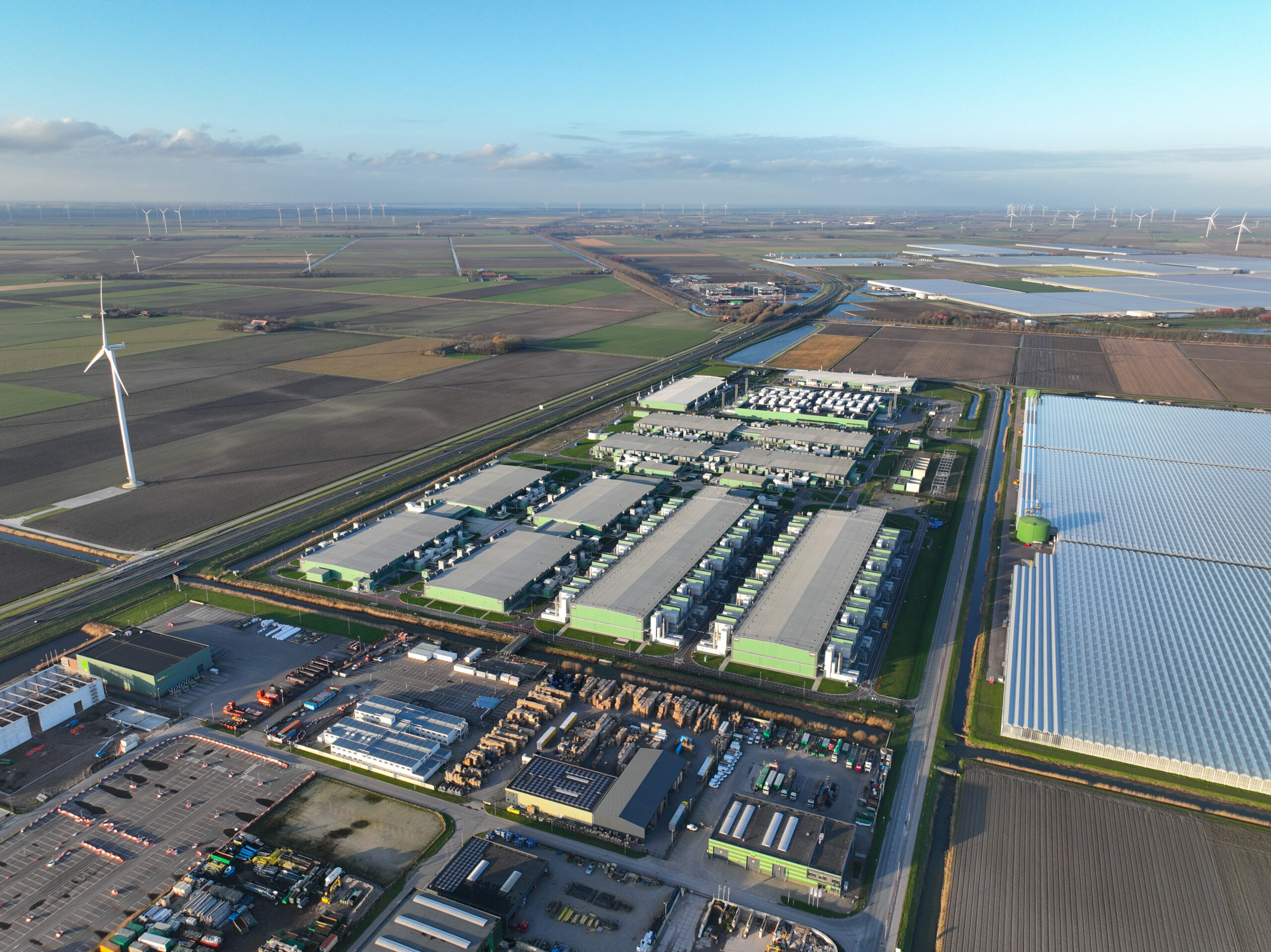

The dramatic increase in the use cases for data storage, artificial intelligence and cloud computing have resulted in an atmospheric level rise in the demand for data centers, and the question of providing sufficient power to support those data centers has become paramount. Simultaneously, there has been an increasing emphasis on utilizing green energy as corporations and end-market consumers are seeking ways to reduce greenhouse gas emissions as well as their own carbon footprints. The co-location of data centers with renewable energy projects, such as solar and wind farms, offers a unique opportunity to address both energy needs and sustainability goals.

While co-location may seem straightforward from a real estate or title perspective—akin to a typical commercial ground lease—there are several legal, environmental, and operational factors that developers and stakeholders need to consider before breaking ground. Examining these considerations, including potential environmental concerns, equipment lifespan, energy load implications, and the overall impact of co-location are critical in determining the financial and practical viability of a development project.

Although artificial intelligence (“AI”) dominated financial, technological, and even social conversations in 2024, less attention was paid to the reality that AI’s emergence entails substantial increases in energy demand, specifically electricity. Consider that a single ChatGPT query requires 2.9 watt-hours of electricity, compared to 0.3 watt-hours for a Google search, according to the International Energy Agency. Data centers housing tens of thousands of square feet of computing hardware power AI technology, and Goldman Sachs Research estimates those data centers will see power demand grow 160% by 2030, when these facilities will use an estimated 8% of all U.S. power.