On February 1, 2025, President Trump issued an executive order titled Imposing Duties to Address the Flow of Illicit Drugs Across Our Northern Border (Canadian Tariff Order),[1] which, inter alia, imposed a 10 percent import tariff on “energy or energy resources” that “are products of Canada.”[2] Additional detail on this order can be found here. Although delayed during negotiations between the US and Canada,[3] the Canadian Tariff Order, including its 10% energy import tariff, ultimately went into effect on March 4, 2025. On March 6, 2025, President Trump issued an executive order exempting goods qualifying under the United States-Mexico-Canada Free Trade Agreement (USMCA) from the Canadia Tariff Order effective 12:01 a.m. on March 7, 2025. However, the President has indicated that the 10% tariff on such goods will resume on April 2, 2025.
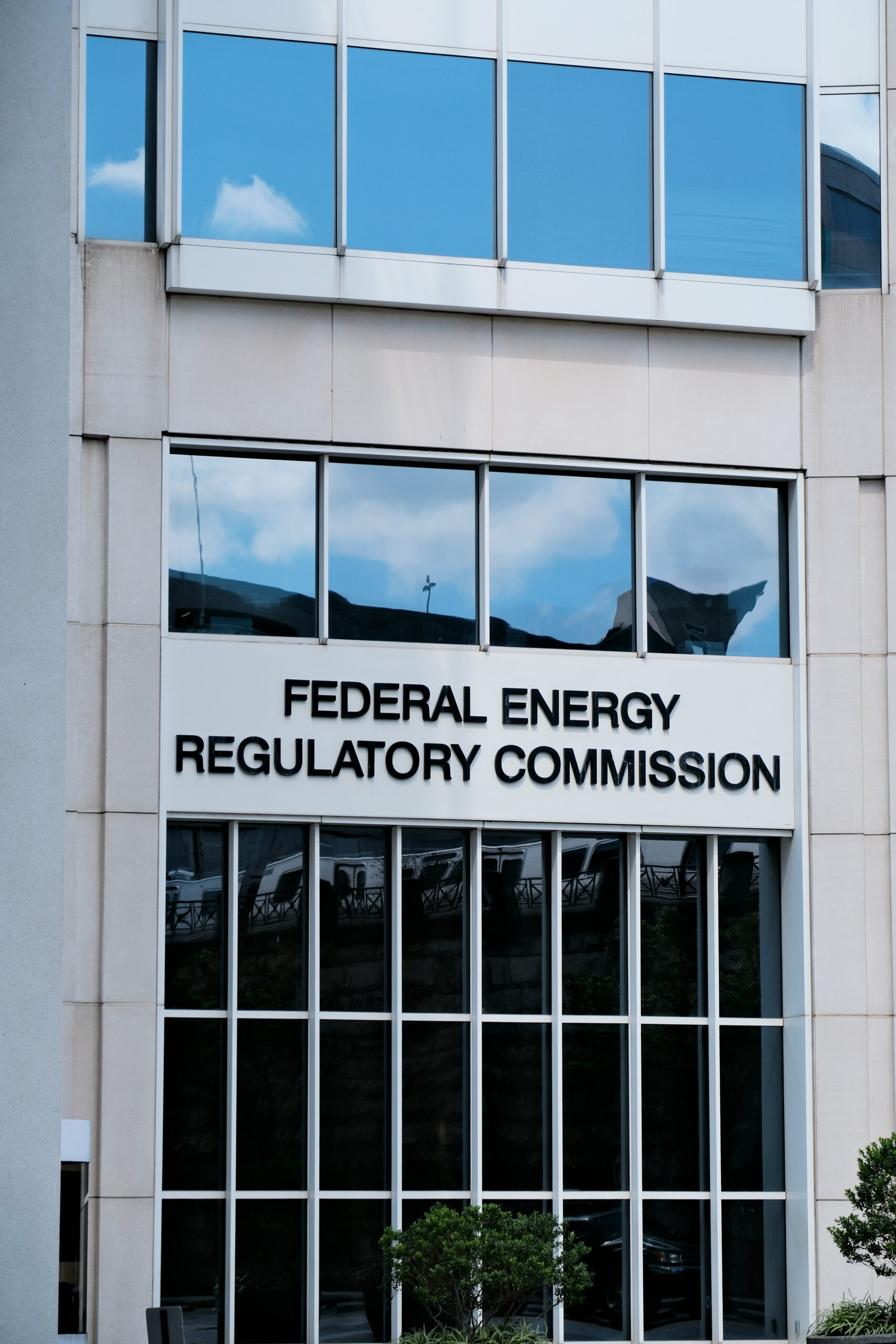
At its latest open meeting on February 20, 2025, the Federal Energy Regulatory Commission (FERC) issued an order directing PJM Interconnection, L.L.C. (PJM) and the PJM Transmission Owners (PJM TOs) to demonstrate why the PJM Tariff’s lack of clear rules for co-location arrangements is acceptable or to explain the Tariff changes they would propose to address co-location issues (Show Cause Order). FERC’s Order is focused on the PJM region because there are several contested FERC proceedings involving co-location arrangements in PJM. However, FERC has indicated that it intends to act quickly on co-location arrangements across its jurisdiction. Accordingly, the results of the PJM Show Cause proceeding will likely serve as precedent in other RTO and non-RTO regions under FERC’s jurisdiction. 

Introduction: CO2-EOR vs. CCS

In recent years, the importance of carbon capture technology has grown significantly as a means to combat climate change. With the emergence and advancement of geologic technologies, and their application in the energy industry, many industrial companies are deploying both CO2 Enhanced Oil Recovery (CO2-EOR) and

The Trump administration issued several executive orders and memorandums on the President’s first days in office, targeting the energy industry. Key actions include halting certain new federal actions for offshore and onshore wind projects and revisiting existing programs and policies. However, the impacts of the executive actions appear to be limited thus far. Privately funded

One promising solution to climate change is Carbon Capture, Utilization and Storage (“CCUS”). CCUS involves capturing carbon oxides, primarily carbon dioxide (CO2), for permanent storage or potential utilization. Interest in CCUS increased after the Inflation Reduction Act (“IRA”) revamped Section 45Q of the US Tax Code to expand tax

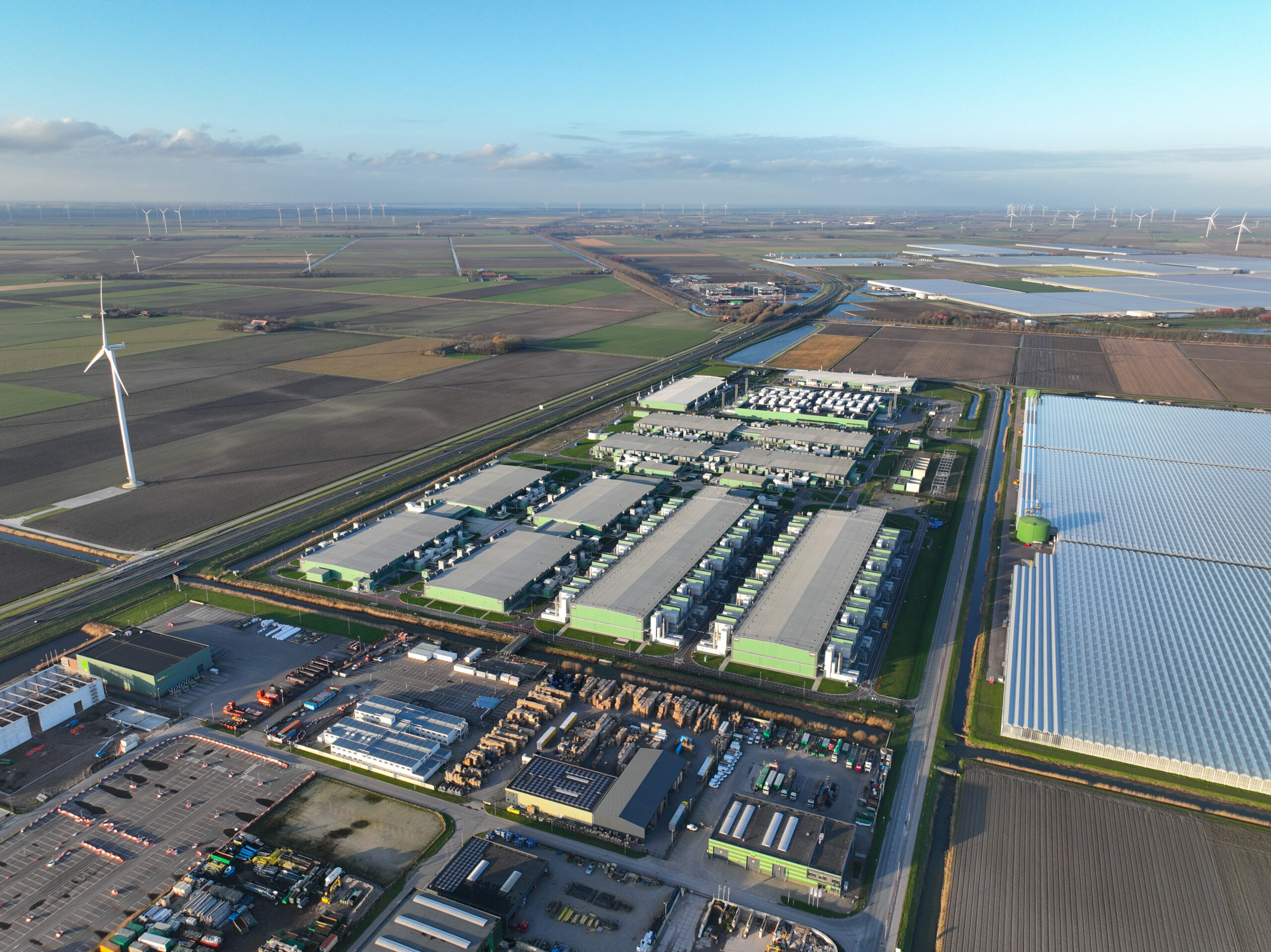
The dramatic increase in the use cases for data storage, artificial intelligence and cloud computing have resulted in an atmospheric level rise in the demand for data centers, and the question of providing sufficient power to support those data centers has become paramount. Simultaneously, there has been an increasing emphasis on utilizing green energy as corporations and end-market consumers are seeking ways to reduce greenhouse gas emissions as well as their own carbon footprints. The co-location of data centers with renewable energy projects, such as solar and wind farms, offers a unique opportunity to address both energy needs and sustainability goals.

While co-location may seem straightforward from a real estate or title perspective—akin to a typical commercial ground lease—there are several legal, environmental, and operational factors that developers and stakeholders need to consider before breaking ground. Examining these considerations, including potential environmental concerns, equipment lifespan, energy load implications, and the overall impact of co-location are critical in determining the financial and practical viability of a development project.

Although artificial intelligence (“AI”) dominated financial, technological, and even social conversations in 2024, less attention was paid to the reality that AI’s emergence entails substantial increases in energy demand, specifically electricity. Consider that a single ChatGPT query requires 2.9 watt-hours of electricity, compared to 0.3 watt-hours for a Google search, according to the International Energy Agency. Data centers housing tens of thousands of square feet of computing hardware power AI technology, and Goldman Sachs Research estimates those data centers will see power demand grow 160% by 2030, when these facilities will use an estimated 8% of all U.S. power.

The United States Environmental Protection Agency (EPA) in July of this year designated two PFAS (perfluoroalkyl and polyfluoroalkyl substances) chemical types as “hazardous substances” under the federal Comprehensive Environmental Response Compensation and Liability Act (CERCLA, better known as the Superfund liability law), which has had a major impact in the ever-evolving environmental regulatory arena. PFAS substances are commonly referred to as “forever chemicals” because, according to the EPA, they are difficult to break down and can accumulate and persist in the human body for long periods of time. Because PFAS chemicals have been manufactured and used in a large variety of products for decades, the EPA states that they are found in water, air, fish and soil at locations around the globe. The Superfund designation is part of a larger EPA strategy to address PFAS contamination, including promulgation in April of this year of new and very strict standards for PFAS in drinking water. In addition, there has been movement by several states to regulate PFAS, including some that are imposing bans on use of PFAS chemicals in a growing range of products.

On December 19, 2024, FERC issued a Notice of Proposed Rulemaking (NOPR) to approve the addition of the newly defined term “Ride-through” to the North American Electric Reliability Corporation (NERC) Glossary of Terms and to approve the proposed Protection and Control (PRC) Reliability Standards PRC-024-4 (Frequency and Voltage Protection Settings for Synchronous Generators, Type 1 and 2 Wind Resources, and Synchronous Condensers) and PRC-029-1 (Frequency and Voltage Ride-through Requirements for Inverter-Based Resources (IBR)). According to FERC, these reliability standards are intended to address reliability gaps associated with IBRs tripping or entering momentary cessation in aggregate. The new rules will ensure that IBRs are able to “ride through” frequency and voltage excursions, such as faults on the transmission or sub-transmission system. In the NOPR, FERC seeks comments on the proposed rules and the need for informational filings that would help FERC analyze the impact of proposed exemptions in the rules for certain IBRs.