The Senate Finance Committee recently released its own draft of the “One Big Beautiful Bill Act” (the Bill) previously passed by the House as H.R. 1. Both the House and Senate versions of the Bill impose restrictions on Inflation Reduction Act (IRA) tax credits based on “material assistance” from “Foreign Entities of Concern” (FEOCs). The House version lacked significant details on what “material assistance” was. The Senate Bill provides significant details on the structure and operation of the restrictions.
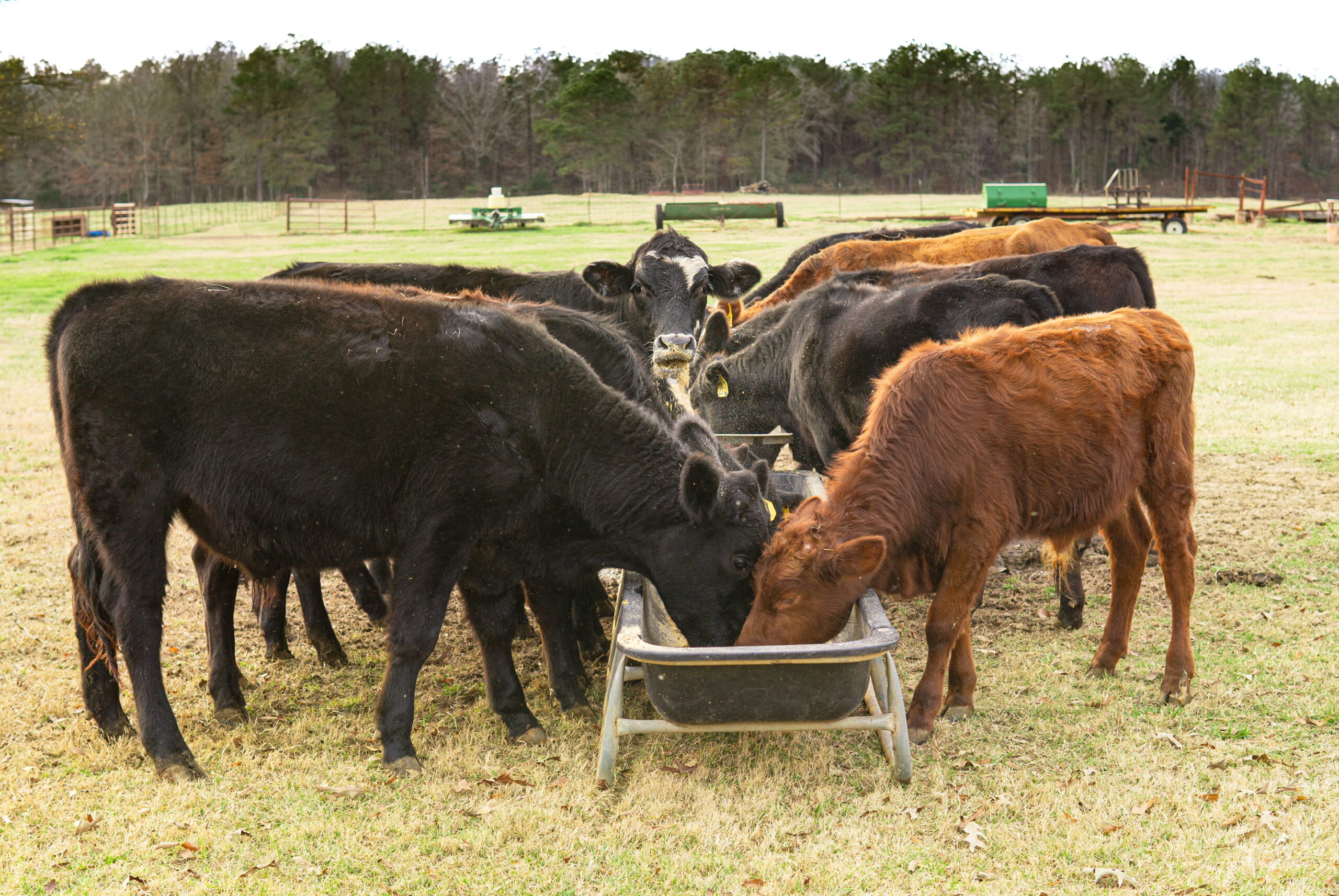
On June 4, 2025, the American Biogas Council, a national trade association representing the U.S. biogas industry, released new data analyzing each state’s untapped potential to generate renewable energy by diverting organic waste (e.g., manure, food waste, and wastewater sludge) to anaerobic digesters, which trap the gas generated by the decomposition of that waste (i.e., biogas) for conversion into energy. The process also generates nutrient-rich organic fertilizer which can be used at commercial scale in lieu of synthetic products.

In May 2025, the U.S. Department of Agriculture’s (USDA’s) Agricultural Marketing Service (AMS) proposed rescinding portions of its December 2024 rule that had established new organic certification standards for pet food under the National Organic Program (NOP). The 2024 rule had introduced long-anticipated regulatory clarity around allowable ingredients, certification consistency, and production standards for organic pet food. With USDA now proposing to withdraw these standards, organic pet food producers may once again face regulatory ambiguity regarding formulation, ingredient eligibility, certification, and labeling. While no final decision has yet been made, the public comment period closed on June 11, 2025, garnering nearly 10,000 comments from interested stakeholders. The commentary below provides a brief summary of what has occurred thus far in the pet food industry surrounding this issue to provide a better understanding of the impact of USDA’s proposed withdrawal of organic pet food standards.

On June 16, 2025, the Senate Finance Committee released its version of the “One, Big Beautiful Bill” (OBBB) that would create a steep phase-out of renewable energy tax credits—notably, renewable energy companies would have to start construction on wind and solar projects before December 31, 2025, to receive 100% of the available tax credits. The reconciliation process is far from over, and there are further revisions expected to the text, but the Senate Finance Committee is the final committee in the Senate expected to release legislative text related to energy tax credits.

Its version of the bill includes the following provisions.

One of the most celebrated features of the Inflation Reduction Act (“IRA”) is the ability to sell tax credits, including the Production Tax Credit (“PTC”) under Internal Revenue Code (“IRC”) § 45 and the Investment Tax Credit (“ITC”) under IRC § 48. Under federal statute and IRS regulations issued last year, the sale of these tax credits does not result in taxable income to the seller and a buyer does not have to recognize gain on the difference between the value of the tax credit and the buyer’s purchase price. But the answer isn’t so simple under state law, which does not always track the federal rule; in some cases, whether the sale proceeds are taxable is unclear, and buyers and sellers of tax credits need to ensure that they are accurately assessing risk and expense.

Lately, elected representatives on both sides of the aisle have been displaying an appetite for expanding transferable tax credits to a broader variety of industries. This is evidenced by the recent profusion of proposed legislation that endeavors to subsidize emerging or important technologies with such valuable, transferable credits. This glut of proposed legislation—and the significant opportunities it may afford to the savvy buyer or seller—only promises to increase in importance with federal tax reform on the horizon.

Proposed changes to Inflation Reduction Act tax credits, solar tariffs, restrictions on wind energy, orders promoting fossil fuels, and a push for energy-related deregulation are just a few of the executive and legislative actions impacting renewable energy that have arisen at the federal, state, and local levels since President Donald Trump took office. We have

Performance guarantees and performance liquidated damages (PLDs) are an essential element of most engineering, procurement, and construction (EPC) contracts, especially those related to solar and biogas projects; they make guaranteed levels of project performance, quality, and output enforceable. Specifically, PLDs compensate project owners for financial losses (or a reasonable approximation of them) incurred when projects fail to meet performance guarantees. Appropriately structuring PLDs in EPC contracts requires protecting project owners while balancing the risks for contractors, whose costs will often increase commensurate with increased contract risk. Ultimately, well-structured PLDs protect project owners, allocate appropriate risk to EPC contractors, and reassure financing parties that projects will perform as anticipated.

Upon becoming law in 2022, the Inflation Reduction Act (“IRA”) extended the opportunity to generate investment tax credits (“ITCs”) to renewable natural gas (“RNG”) projects, incentivizing the development of new projects and enabling some projects already in the development pipeline to capture material new value. Specifically, the IRA provided for the generation of ITCs pursuant

On March 6, 2024, the Securities and Exchange Commission (SEC) issued new rules aimed at standardizing climate-related disclosures by public companies. Commonly known as the SEC climate disclosure rules, they require companies to provide detailed information about their climate-related risks, governance practices, and strategies. Specifically, the rules mandated that companies report their greenhouse gas (GHG) emissions, including Scope 1 emissions (direct emissions) and Scope 2 emissions (indirect emissions from purchased energy); however, the rules faced immediate pushback from various stakeholders, including industry groups and political opponents. In April 2024, the SEC announced a stay of the implementation of the regulations pending judicial review.