Food Systems

On October 16, the U.S. Occupational Safety and Health Administration (OSHA) announced expanded guidance for animal slaughtering and processing industry inspections (NAICS 3116). Notably, this new guidance document supersedes OSHA’s previous inspection guidance specific to a subset of this NAICS, poultry slaughtering and processing establishments (NAICS 311615).

OSHA states that the goal of the update is to significantly reduce injuries and illnesses resulting from occupational hazards through a combination of enforcement, compliance, assistance, and outreach.
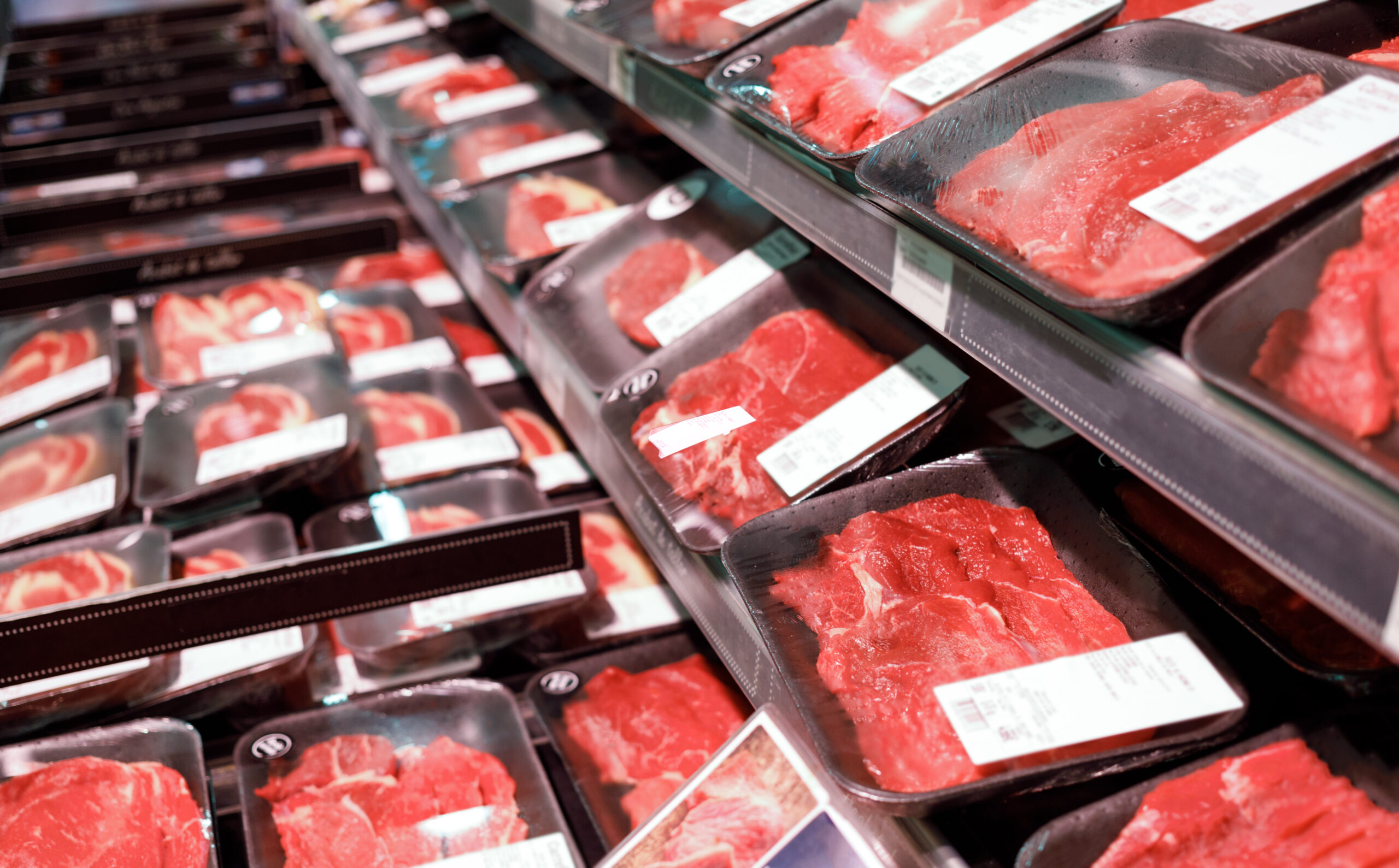
On August 28, 2024, the U.S. Department of Agriculture (USDA) released an updated guidance document regarding the substantiation of all animal-raising and environment-related claims on meat and poultry packaging. This new guidance marks the first update regarding these types of claims since 2019. The guidance provides establishments with information on how to use and substantiate

On August 2, 2024, the Association of American Feed Control Officials (“AAFCO”) announced that its Memorandum of Understanding 225-07-7001 (the “MOU”) with the U.S. Food and Drug Administration (“FDA”) outlining the AAFCO ingredient review process would not be renewed on October 1, 2024 when the MOU is set to expire. The MOU, which has been in effect for the last 17 years, established guidelines by which AAFCO reviews the safety and efficacy of new animal feed ingredients under the guidance of FDA. 

In an industry full of buzzwords, “adaptogens” and “nootropics” are current standouts within the beverage industry.

The beverage industry experienced a significant shift in consumer preference following the COVID-19 pandemic, as consumers’ proclivity for nutrient-rich foods stimulated a rise in beverages designed to provide added health benefits, such as increasing energy, decreasing stress, and improving overall mental health. The increased popularity of these “functional beverages” (i.e., beverages that provide added health benefits) is more than a fleeting trend, as the industry is projected to reach $62 billion by 2027.

Marketers of yogurt products may celebrate the latest approval by the Food and Drug Administration (“FDA”) of a new qualified health claim related to the consumption of yogurt and type 2 diabetes. However, producers of such products should also be cautious in presenting these claims on product labeling so as not to run afoul of limitations imposed by FDA related to this new qualified health claim.

In the bustling landscape of consumer goods, caffeinated beverages stand out as a daily staple for millions of Americans. A recent shift towards “clean caffeine” and caffeine alternatives has further energized consumer demand for ready-to-drink caffeinated beverages.

Recently, however, the spotlight has turned to the highly caffeinated beverage industry for far less stimulating reasons, as cases of alleged caffeine overconsumption have led to severe health repercussions. As highly caffeinated beverages continue to expand their market share, it is crucial for ready-to-drink beverage brands to carefully consider their product’s caffeination levels and the way those products are labeled and/or marketed.

In May 2022, when the Federal Trade Commission (FTC) proposed updates to its Guides Concerning Use of Endorsements and Testimonials in Advertising (Guides), it had been 13 years since the Guides were updated. Much has changed in the way that businesses marketed and sold their brands, products, and services over that period. While the use of social media marketing has been well established for the better part of the last decade, the use of social media influencers—that is, people who use their expertise, knowledge, and/or celebrity to promote ideas, products, services, and brands via the internet—has seen a dramatic uptick since the period preceding the COVID pandemic and is now estimated to be a $21 billion industry in its own right. The rise of this marketing approach—and the increasingly prevalent lawsuits against influencers and the companies they promote—played no small part in the FTC’s reconsideration of previous guidance, as evident from the finalized guidelines which were released June 29, 2023.

The question going forward is to what degree the new guidelines will change the way marketers approach the use of social media influencers. To get at the issue, it is helpful to review the substance of the FTC’s revisions.

Consumers’ increasing awareness of the advantages of nutrient-rich foods has prompted global food and beverage companies to begin enhancing their products with nutritional additives, leading to the creation of new products—and new categories of products—targeting consumers’ changing health and wellness needs.