Food Systems

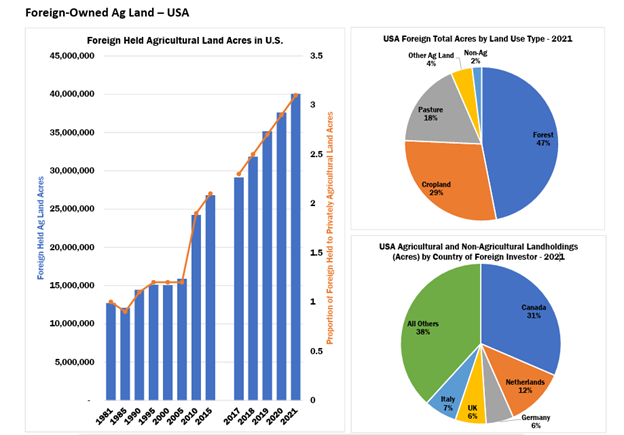
In recent years, the U.S. government has become increasingly concerned about foreign ownership of agricultural land. According to the most recent U.S. Department of Agriculture (USDA) report, foreign owners (primarily Canadian) hold an interest in nearly 45 million acres of U.S. agricultural land.


For consumer packaged goods (“CPG”) founders, understanding the complexities of business structures and tax consequences is essential to maximize growth and attract investors. The Qualified Small Business Stock (“QSBS”) exclusion provides considerable tax advantages when structuring a corporate entity. For example, founders and early investors may be eligible to exclude up to 100% of capital gains on qualifying startup stock from federal income tax—up to $15 million or ten times their investment—which can result in substantial tax savings.

Solar developers contend with a wide array of challenges, from competing for viable project sites to combatting disinformation surrounding the expansion of clean energy development. With demand for energy rapidly growing across the nation, considering a full suite of project designs allows developers to put their best foot forward when collaborating with local stakeholders.

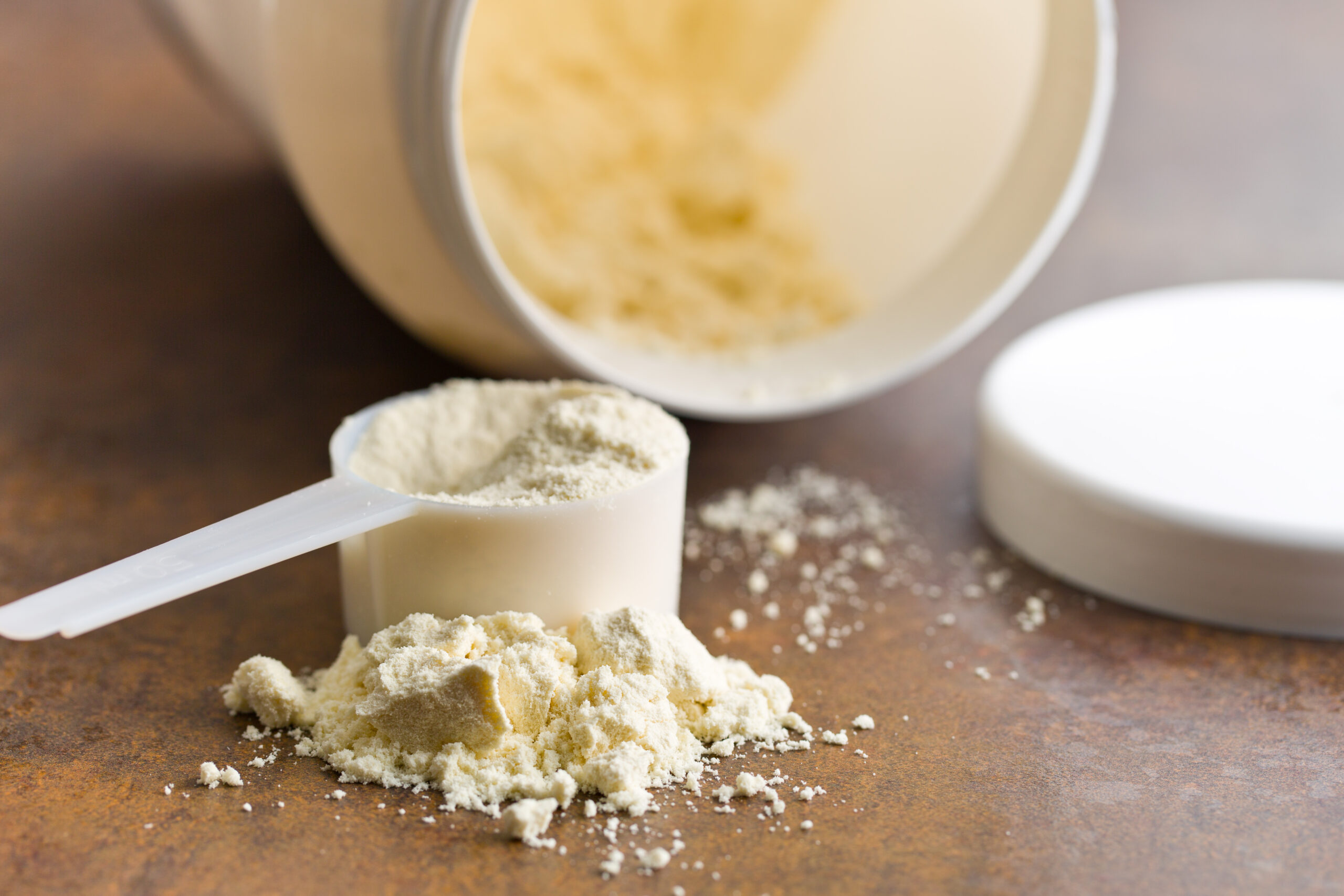
With the rise of “Protein Maxing” among biohackers, fitness influencers, and health-conscious consumers, a major controversy has emerged that could seriously impact both consumers and protein supplement brands. A recent Consumer Reports article revealed that many popular protein supplement brands contain dangerous ingredients—most notably, lead—at levels that can pose serious health risks with regular consumption. As awareness grows, lawsuits, legal fees, and liabilities for supplement brands are becoming increasingly likely.

On June 2, 2025, the U.S. Food and Drug Administration (FDA) announced the deployment of its own artificial intelligence system, “Elsa.” The large language model-powered system was scheduled for full-scale implementation across the agency by June 30, 2025. Initially piloted for FDA scientific reviewers, Elsa is intended to streamline internal processes and increase operational efficiency within the agency.

Functional foods designed to promote relaxation, better sleep, and improved mood have exploded in popularity, and chocolate is increasingly the delivery method of choice. Calming confections featuring ingredients like melatonin, L-theanine, magnesium, adaptogens, or CBD are marketed as “natural” stress-relievers or sleep aids. But as consumer demand rises, so too does regulatory scrutiny. Federal and state regulators, along with the plaintiffs’ bar, are watching closely as food companies make increasingly bold wellness claims about everyday indulgences.

In May 2025, the U.S. Department of Agriculture’s (USDA’s) Agricultural Marketing Service (AMS) proposed rescinding portions of its December 2024 rule that had established new organic certification standards for pet food under the National Organic Program (NOP). The 2024 rule had introduced long-anticipated regulatory clarity around allowable ingredients, certification consistency, and production standards for organic pet food. With USDA now proposing to withdraw these standards, organic pet food producers may once again face regulatory ambiguity regarding formulation, ingredient eligibility, certification, and labeling. While no final decision has yet been made, the public comment period closed on June 11, 2025, garnering nearly 10,000 comments from interested stakeholders. The commentary below provides a brief summary of what has occurred thus far in the pet food industry surrounding this issue to provide a better understanding of the impact of USDA’s proposed withdrawal of organic pet food standards.

On March 10, 2025, the U.S. Department of Health and Human Services (HHS) announced that U.S. Secretary of HHS Robert F. Kennedy Jr. directed the U.S. Food and Drug Administration (FDA) to explore closing the GRAS self-affirmation “loophole” for additives in food products.

In the statement issued by HSS, Secretary Kennedy claimed that “[i]ngredient manufacturers and sponsors have exploited a loophole that has allowed new ingredients and chemicals—often with unknown safety data—to be introduced into the US food supply without notification to the FDA or the public.”

To succeed in the growing functional beverage industry, understanding key legal issues is crucial. As new functional beverage brands continue to emerge, business owners need to consider a variety of legal issues, including (1) proper product categorization, (2) appropriate advertising and marketing claims, (3) engaging with influencers, (4) working with contract manufacturers, (5) ensuring adequate IP protections, and (6) selecting the appropriate corporate entity structure.

Whether at 7-11 or at your local grocery chain, functional beverages line the aisles, touting their nutritional and health benefits. The functional beverage industry is becoming big business, but as this industry bubbles up, emerging brands need to think about the best corporate structure to hold their product.

Below, we have provided some pros and cons of three (3) standard corporate structures often considered by early-stage businesses: limited liability companies, S corporations, and C corporations.