Electric Vehicles & Infrastructure

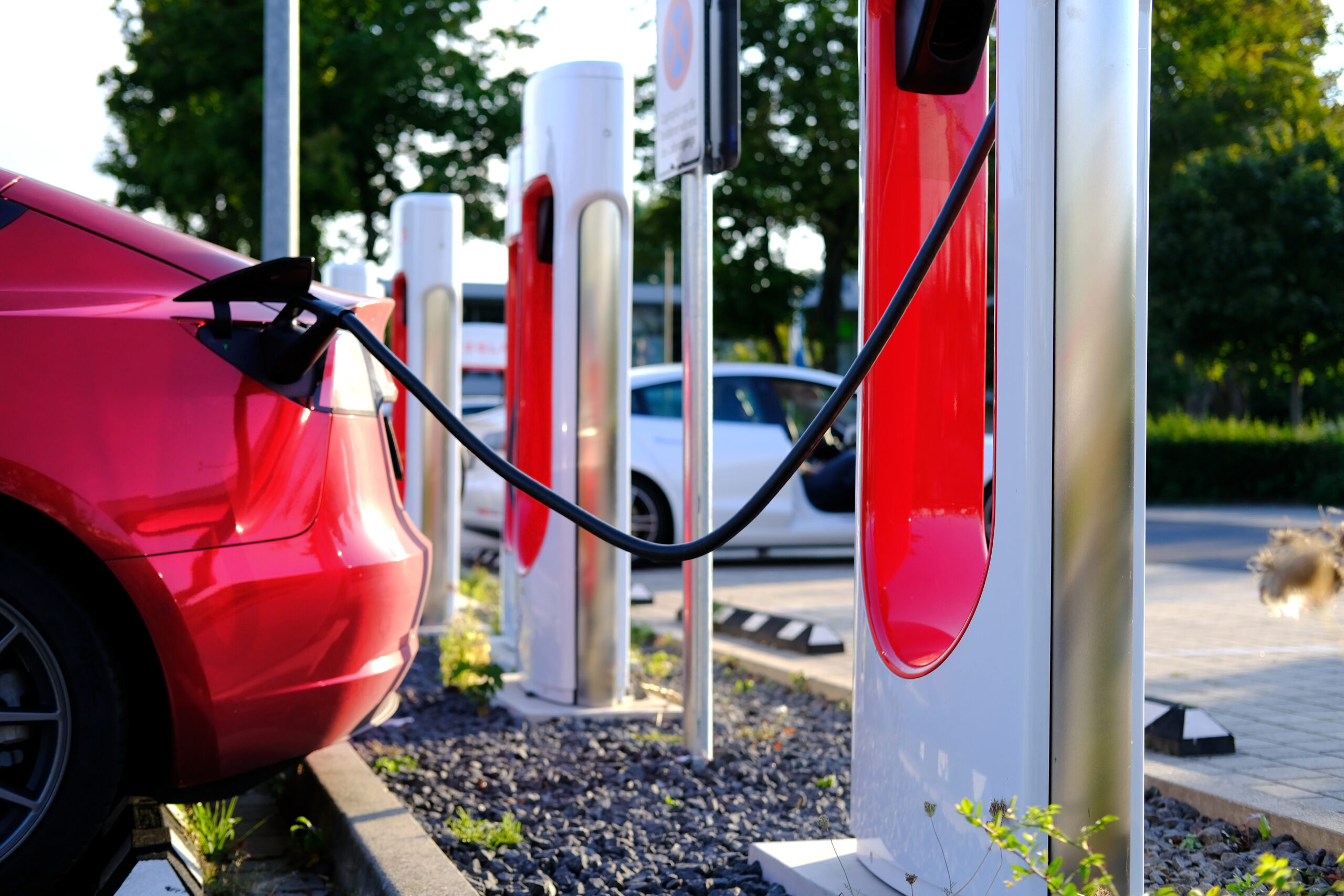
The National Electric Vehicle Infrastructure Formula Program (NEVI Program), one of the key programs included in the 2021 Bipartisan Infrastructure Law, set aside $5 billion dollars in Federal funding administered by the Federal Highway Administration (FHWA) to assist in the nationwide development of electric vehicle charging infrastructure. Final NEVI Formula Program guidance was issued on June 11, 2024 during the later months of the Biden Administration. However, on February 6, 2025 following the inauguration of President Trump, the FHWA issued a letter that froze the obligation of NEVI Program funds nationwide, and noted that the new leadership of the Department of Transportation was undertaking a review of the policies underlying the implementation of the NEVI Program, and rescinded all prior versions of the NEVI Formula Program Guidance (including the June 11, 2024 Final Guidance).[1]

The Senate Finance Committee recently released its own draft of the “One Big Beautiful Bill Act” (the Bill) previously passed by the House as H.R. 1. Both the House and Senate versions of the Bill impose restrictions on Inflation Reduction Act (IRA) tax credits based on “material assistance” from “Foreign Entities of Concern” (FEOCs). The House version lacked significant details on what “material assistance” was. The Senate Bill provides significant details on the structure and operation of the restrictions.

On June 16, 2025, the Senate Finance Committee released its version of the “One, Big Beautiful Bill” (OBBB) that would create a steep phase-out of renewable energy tax credits—notably, renewable energy companies would have to start construction on wind and solar projects before December 31, 2025, to receive 100% of the available tax credits. The reconciliation process is far from over, and there are further revisions expected to the text, but the Senate Finance Committee is the final committee in the Senate expected to release legislative text related to energy tax credits.

Its version of the bill includes the following provisions.

On June 14, 2024, the Nebraska Department of Transportation (“NDOT”) informed potential applicants that, pursuant to its National Electric Vehicle Infrastructure (“NEVI”) plan, applications for federal funding to build electric vehicle (“EV”) charging stations across Nebraska’s Interstate 80 will be available as early as August 2024. Nebraska is currently one of only 15 states yet to make this funding available to applicants. 

Last month, Husch Blackwell published its seventh-annual report on public-private partnerships (P3s) and alternative project delivery strategies. This year’s report features an interesting article by Michael Blackwell, an attorney on the firm’s Energy & Natural Resources team, that explores how P3s and P3-like agreements might be deployed to hasten the transition from fossil fuels


On Friday, February 24, 2023, a Nevada federal judge issued an order in Bartell Ranch LLC et al. v. McCullough et al., rejecting emergency requests for injunction by Plaintiffs, among which are Native American Tribes, various environmental groups, and a rancher to block construction of the Thacker Pass lithium mine, pending their current appeal to the 9th Circuit.[1] The Plaintiffs maintain that the Bureau of Land Management failed to acknowledge concerns about the impacts of the mine and that the permits were illegally granted. The District Court ruled in favor of the Defendants, the Bureau of Land Management and Lithium Nevada Corp., with the Court only requiring a re-approval of permits covering 1,300 of the approximately 6,000-acre mineable area. The Plaintiffs sought an injunction while their appeal to the 9th Circuit is ongoing. However, the Court ruled in favor of the Defendants, ruling that “the requisite strong showing of a likelihood of success on the merits of their appeal” had not been met, opening the door for the project to proceed.