
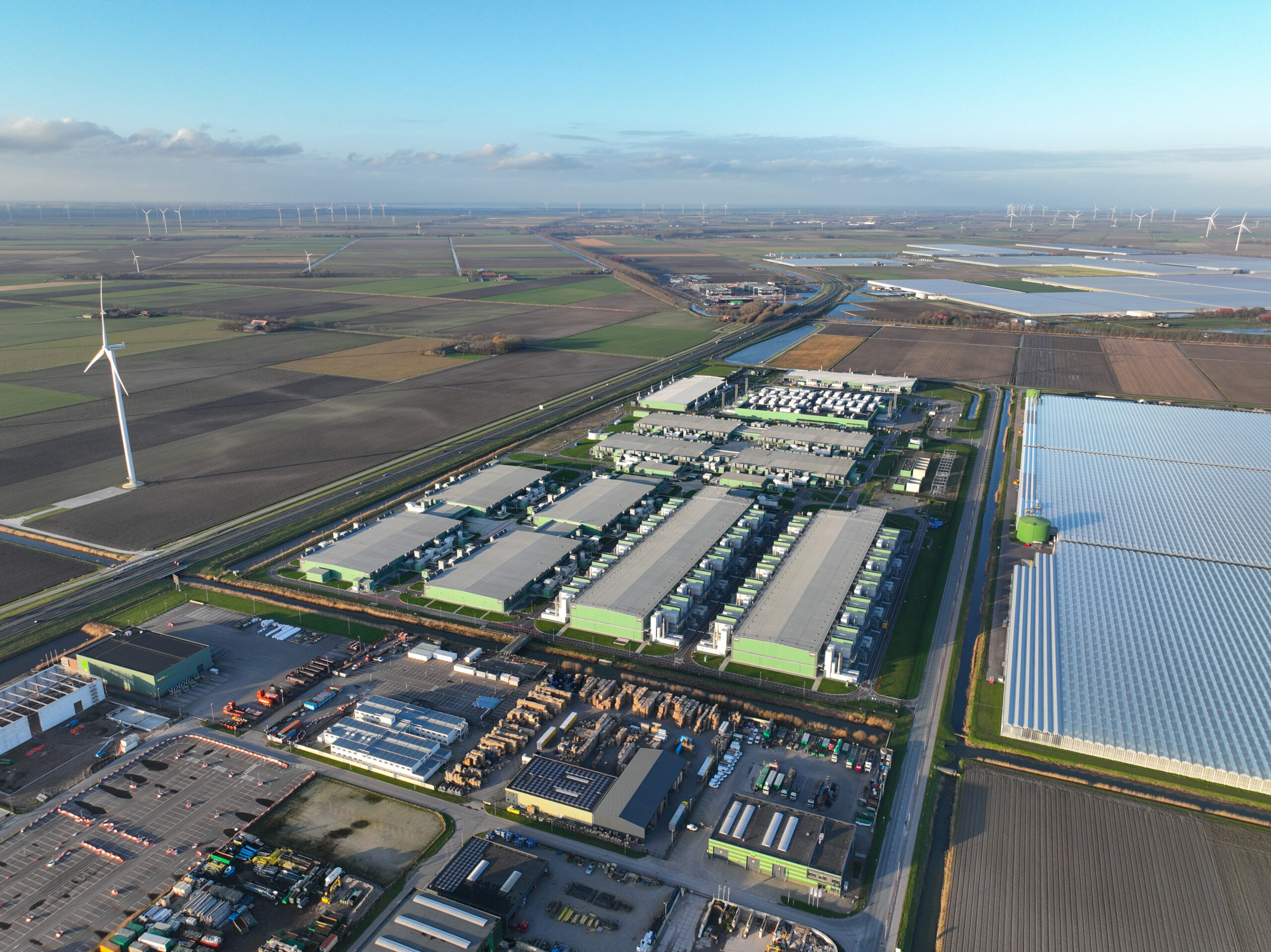
There is a lot of talk these days about how the artificial intelligence (AI) boom will revolutionize the economy. The electric power sector is no exception. All over the country, tech companies are developing hyperscale data centers to provide the computing power necessary for cloud-based services, large language model training, and other AI applications. These facilities consume an enormous amount of power—some even more than large cities or even entire states. In many areas, meeting this demand requires utilities to invest significant capital into new transmission lines and power plants.
The general consensus—from the public, utilities, regulators, and even the tech companies themselves—is that data centers should pay for the cost of infrastructure built to serve them. To that end, state utility commissions across the United States are considering how electric utilities should structure the rates (or “tariffs”) they charge to these customers. Two recent decisions from utility regulators in Minnesota and Wisconsin illustrate some of the measures utilities are using to ensure that these new large customers pay for the infrastructure that is built to serve them and mitigate risks to other, existing electric customers.
In Wisconsin, the Public Service Commission of Wisconsin (PSCW) held an open meeting on April 24, 2026, at which it approved—subject to certain conditions—Wisconsin Electric Power Company’s (WEPCO) proposed Very Large Customer (VLC) and Bespoke Resources tariffs. Similarly, on May 15, 2026, the Minnesota Public Utilities Commission (MPUC) held an open meeting at which it approved—also subject to conditions—Xcel Energy’s proposed tariffs for large data center customers.
These are the biggest utilities in each state—in terms of the number of customers served and total annual energy sales—so each regulator’s decision will have lasting consequences on those jurisdictions. In the coming days and weeks, each commission will issue a written order memorializing its decision at these open meetings. But the open meeting discussions illustrate some of the key issues regulators are grappling with as they manage the integration of these new large customers into the electric grid. We highlight below three of these key issues and how each commission addressed them.
1. Contract Term: Historically, electric customers—even the largest commercial or industrial users—have not been required to “subscribe” for service from their local utility for any defined length of time. Rather, customers have generally been permitted to join or leave the utility’s system at will, even though it takes decades for the utility to recover the costs of the infrastructure it builds to serve those customers. While utilities have experienced issues when large users leave their system—for example, when a large manufacturer shutters operations—electric demand has generally been on an upward trajectory since the post-World War II era. This has enabled utilities to continue recovering the fixed costs of their infrastructure over a growing sales base.
Data centers are different, primarily because of the magnitude of their power demand, which can easily surpass that of even the largest industrial customer on the utility’s system. Utilities must often invest hundreds of millions of dollars into new infrastructure—substations, high-voltage transmission lines, and power plants—to meet these customers’ demands. Therefore, the utilities need some assurance that these customers will remain on their system for a minimum length of time.
To provide this assurance, utilities and regulators are requiring these customers to enter into multi-year service contracts with the utility, which are often referred to as Energy Service Agreements (ESAs). These agreements define (among other things) the customer’s maximum contract demand, applicable rates, and other key terms. In Minnesota, Xcel proposed and the MPUC approved a default contract term of 15 years. In Wisconsin, WEPCO proposed a 10-year contract term, but the PSCW ordered that term extended to 15 years. In each jurisdiction, this 15-year term is inclusive of the customer’s “ramp-up period,” which is the amount of time it takes the customer to go from commissioning its facilities to achieving its full projected load (i.e., demand).
2. Termination Fees: Termination or exit fees go hand-in-hand with a minimum contract term: they essentially require a data center customer to pay the utility a pre-defined sum if the customer shuts down operations or leaves the utility’s system before the expiration of the contract term. Regulators rationalize these fees as prudent because the AI industry is still in its early stages and is perceived as somewhat speculative: there is concern that these facilities could set up shop while the industry is booming, only to shutter their operations if there were a bust in the market.
In Minnesota, the MPUC-approved termination provisions require the customer to (1) provide at least 24 months’ notice before terminating its contract and (2) pay a termination fee equal to 80 percent of its on-peak demand charges, over the lesser of the remaining contract term or 120 months from the date of termination.
In Wisconsin, WEPCO’s proposal was more complicated. If a customer terminates its contract before commercial operation of the generating resource WEPCO constructs on its behalf, then the customer must reimburse WEPCO for any “non-recoverable” costs incurred in preparing to serve the customer (e.g., procuring long-lead time equipment, internal and external labor costs). If the customer terminates after the generating resource becomes operational, then the customer must reimburse WEPCO for the customer’s share of that resource’s remaining net book value, if the resource cannot be repurposed. Additionally, the customer could be responsible for certain pass-through energy, pass-through transmission, and firm service charges for up to two years after termination. The PSCW approved these provisions, as proposed.
3. Minimum Demand: Historically, utilities have used minimum demand or energy consumption thresholds to group customers into different classes or rate schedules. But generally speaking, they have not required customers to pay for a minimum amount of power, regardless of how much power the customer actually consumes. These are often referred to as “take or pay” charges: the customer must “take” (or consume) a minimum amount of power from the utility during a billing period, but even if it doesn’t, the customer must still “pay” for that minimum amount of power. These “take or pay” clauses are common in industries where sellers must make a large, upfront capital investment in infrastructure that is required to meet the buyer’s demand, including the oil and gas, mining, and chemical manufacturing industries. The basic rationale is the seller needs a guaranteed revenue stream to secure financing from lenders and investors to build the infrastructure in the first place.
Utilities are now leveraging this structure in their contracts with data centers. These minimum bill requirements provide a hedge against the risk that data center demand does not materialize as expected—whether due to a macroeconomic downturn or improved efficiency in data center operations. This last point is especially important: the companies who manufacturer the chips used in data centers are constantly searching for ways to make their technology more energy efficient. That’s obviously not a bad thing. But efficiency breakthroughs could materially alter a data center’s future electrical demand, which could result in utilities building resources that eventually become underutilized, even if they were necessary at the outset of the customer’s operations.
The minimum bill requirements for data centers are fairly straightforward. The contract establishes the maximum amount of capacity the data center needs and requires the utility to provide firm service up to that amount of capacity, over the contract term. At the same time, the contract requires the customer to pay a minimum bill equal to some percentage of that total contract demand, regardless of how much power the customer actually uses. In Wisconsin, the PSCW required WEPCO to impose a minimum billing demand charge of 100 percent of initially forecasted load or actual demand during the billing period, whichever is higher, to cover the costs of transmission upgrades needed to serve the data center customers. In Minnesota, the MPUC established minimum bills equal to the greater of the customer’s actual on-peak demand or 80 percent of the customer’s contract capacity.
Husch Blackwell is here to help
Husch Blackwell is actively advising clients on these developments and the impact of new large loads on the electric system. Contact David Zoppo for more information about the impact of these decisions on electric data center rates in Minnesota and Wisconsin.