Renewable Energy & Clean Fuels

ESG and Renewable Energy

As corporations experience increased pressure from shareholders, consumers, employees, and the federal government to adopt Environmental, Social, and Governance (“ESG”) goals, many are procuring renewable energy as one way of meeting environmental targets. In 2022, more than 96% of S&P 500 companies published an ESG or other formal sustainability report.[1] In addition to voluntary goals and initiatives, the Securities and Exchange Commission is in the process of finalizing enhanced and standardized climate and ESG disclosure requirements for publicly traded corporations. As a result, corporate renewable energy power procurement is expected to account for nearly 40% of the projected utility-scale wind and solar project growth through 2023 and 2024 in the United States.[2]
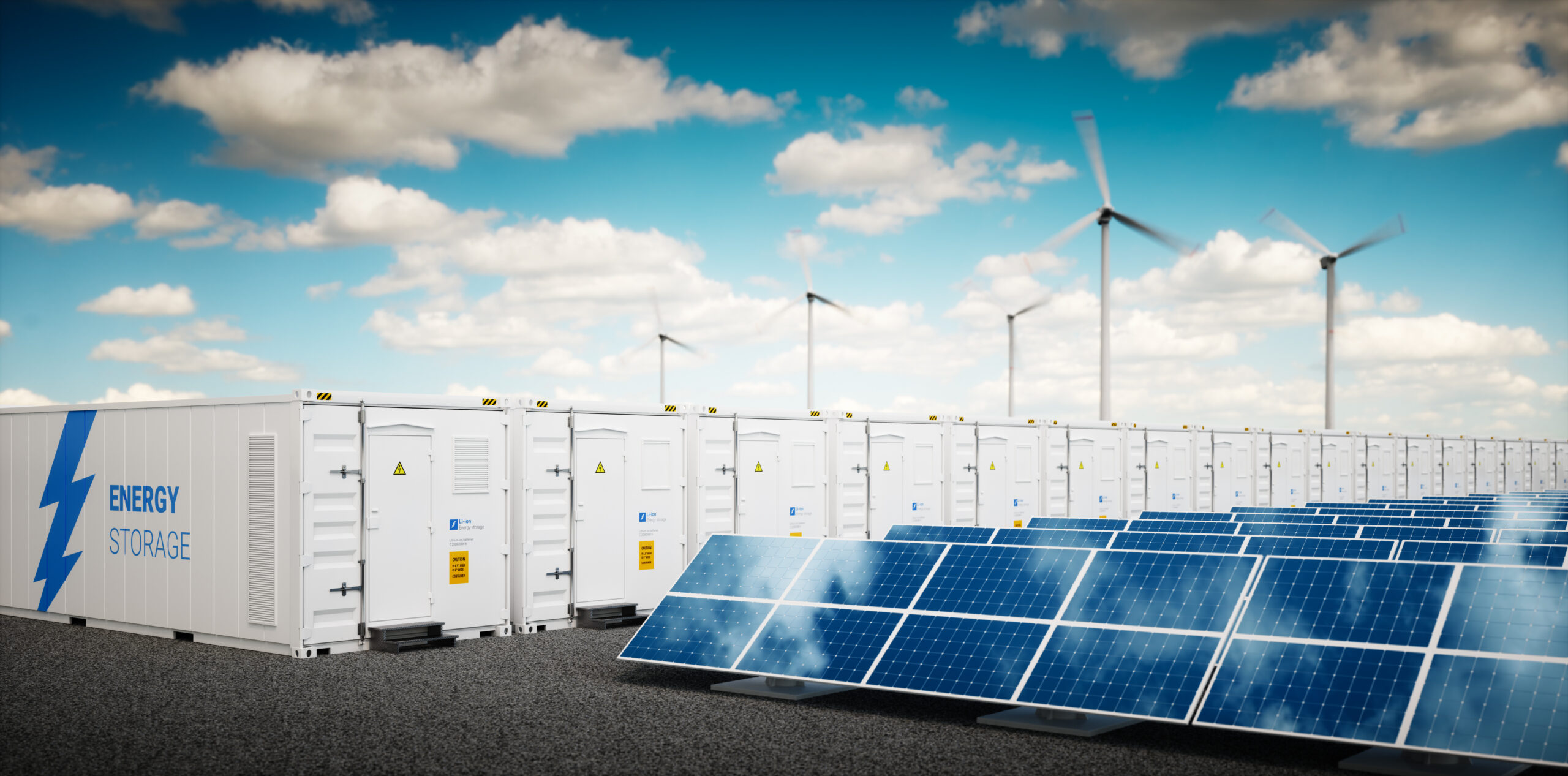
As nations continue developing renewable energy infrastructure to meet sustainability targets, some are creating unique approaches to ensure they meet their stated goals. In what is expected to be a first for any nation (developed or otherwise), the Energy Ministry of Israel is enacting new country-wide regulations requiring all new non-residential buildings to have rooftop solar panels. 

The U.S. Environmental Protection Agency (“EPA”), which administers the federal renewable fuels program known as the Renewable Fuel Standards (“RFS”), has long considered the potential impact of electric vehicles on the RFS. Specifically: how can the RFS (under which transactable credits known as Renewable Identification Numbers (“RINs”) are generated by the creation and use of renewable fuels) be adapted to address renewable fuel converted not into traditional compressed or liquified fuel, but instead into electricity used to power electric vehicles?

As healthcare systems continue their bid to “first, do no harm,” more attention is being placed on the organizations’ broader impact on their communities, including the environment and air quality.  It is estimated that the global health care industry is responsible for two gigatons of carbon dioxide each year, or 4.4% of worldwide net emissions.  And according to a September 2019 report by Health Care Without Harm, over half of the industry’s emissions (representing an estimated 2.2% of the worldwide net emissions) can be attributed to the health care industry’s use of energy. The energy-intensive nature of the industry correlates with the often 24/7 use of health care facilities and the high-tech, life-saving equipment. 

An increased borrowing limit for the U.S. was not the only change brought about by the recently enacted Fiscal Responsibility Act of 2023. The National Environmental Policy Act (NEPA) review process was also on the minds of our legislators. Indeed, Congress chose to use the debt ceiling fight as a vehicle for implementing several changes to NEPA aimed at improving project authorization and management and establishing timelines for completing the review process. While not all the changes in the so-called Builder Act are dramatic, a handful of them could provide additional certainty for those in the oil and gas and renewables industries seeking federal approval for their projects.

The renewable energy industry is growing rapidly but it faces several challenges, including ever-increasing competition amongst developers for rights to the same land. This creates a race between developers to encumber project land.

Negotiating and executing a lease is normally more time-consuming than recording it, but recording the lease agreement (or other applicable real estate instrument) is not a step that should be overlooked or delayed. A lease is effectively meaningless to anyone not a party to it until it has been recorded in the public records of the county in which the leased property is located. Once the lease, or evidence of the lease, has been recorded, everyone not a party to it is put on notice and any agreement encumbering the leased land after that date is typically subordinate to the lease.

On May 12, 2023, in Notice 2023-38 (the “Notice”), the IRS published rules intended for inclusion in forthcoming regulations regarding domestic content bonus credit amounts.

The Inflation Reduction Act of 2022 amended §§ 45 and 48 of the Internal Revenue Code (the “Code”) to provide a domestic content bonus credit amount for certain qualified facilities or energy projects placed in service after December 31, 2022, and added new Code §§ 45Y and 48E, which include a domestic content bonus credit amount for certain investments in qualified facilities or energy storage technologies placed in service after December 31, 2023.

To claim a domestic content bonus credit amount, a taxpayer must establish that the “Domestic Content Requirement” is satisfied with respect to an “Applicable Project” by certifying to the Secretary of the Treasury that any steel, iron, or manufactured product which is a component of the Applicable Project (upon completion of construction) was produced in the United States. The Notice provides guidance on what is required to meet the Domestic Content Requirement and the procedures for reporting and claiming domestic content bonus credit amounts.

When President Jimmy Carter installed rooftop solar panels on the White House, public support for adoption of renewable energy was at a then all-time high and many imagined the possibility of rooftop solar on their own homes and in their own communities. Yet, barriers such as the high up-front installation cost of panels, and of

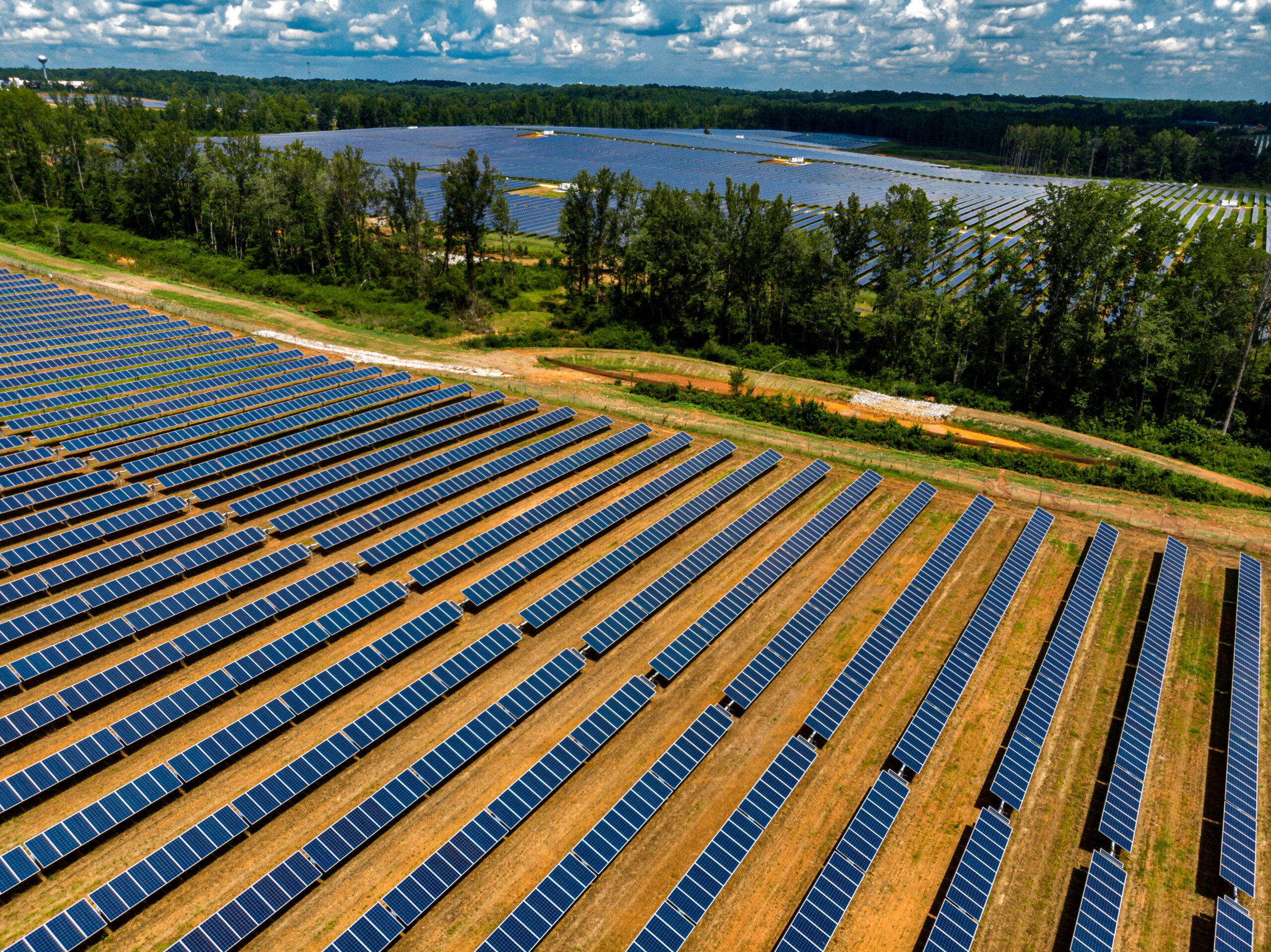
Over the past decade, Missouri has experienced steady growth in utility-scale solar projects[1] and developers have benefited from a property tax exemption under Section 137.100(10) of the state’s tax code. Since the statutory property tax exemption was passed in 2013, solar facilities have leveraged the tax exemption to offset development and operations costs. Until recently, the solar facility tax exemption had flown largely under the radar, as even the largest solar facilities to come online in Missouri have been smaller than 15 megawatts[2]. Over the last few years, however, Missouri counties have started to see the kind of interest from large utility-scale solar developers that states in the south have been experiencing. But in August of 2022, the Missouri Supreme Court bucked the state’s solar-friendly trend in Johnson v. Springfield Solar 1, LLC, 648 S.W.3d 101 (Mo. 2022), unanimously finding the exemption for “solar energy systems not held for resale” under Section 137.100(10) unconstitutional. The case involved a small solar facility that supplied energy to Springfield, Missouri. The Missouri Supreme Court’s decision means that Springfield Solar 1, LLC could owe Greene County, Missouri more than $400,000 in back property taxes, and more generally, that developers who installed solar equipment in Missouri since 2013 will not be able to rely on the property tax exemption as they had anticipated under the tax code.