
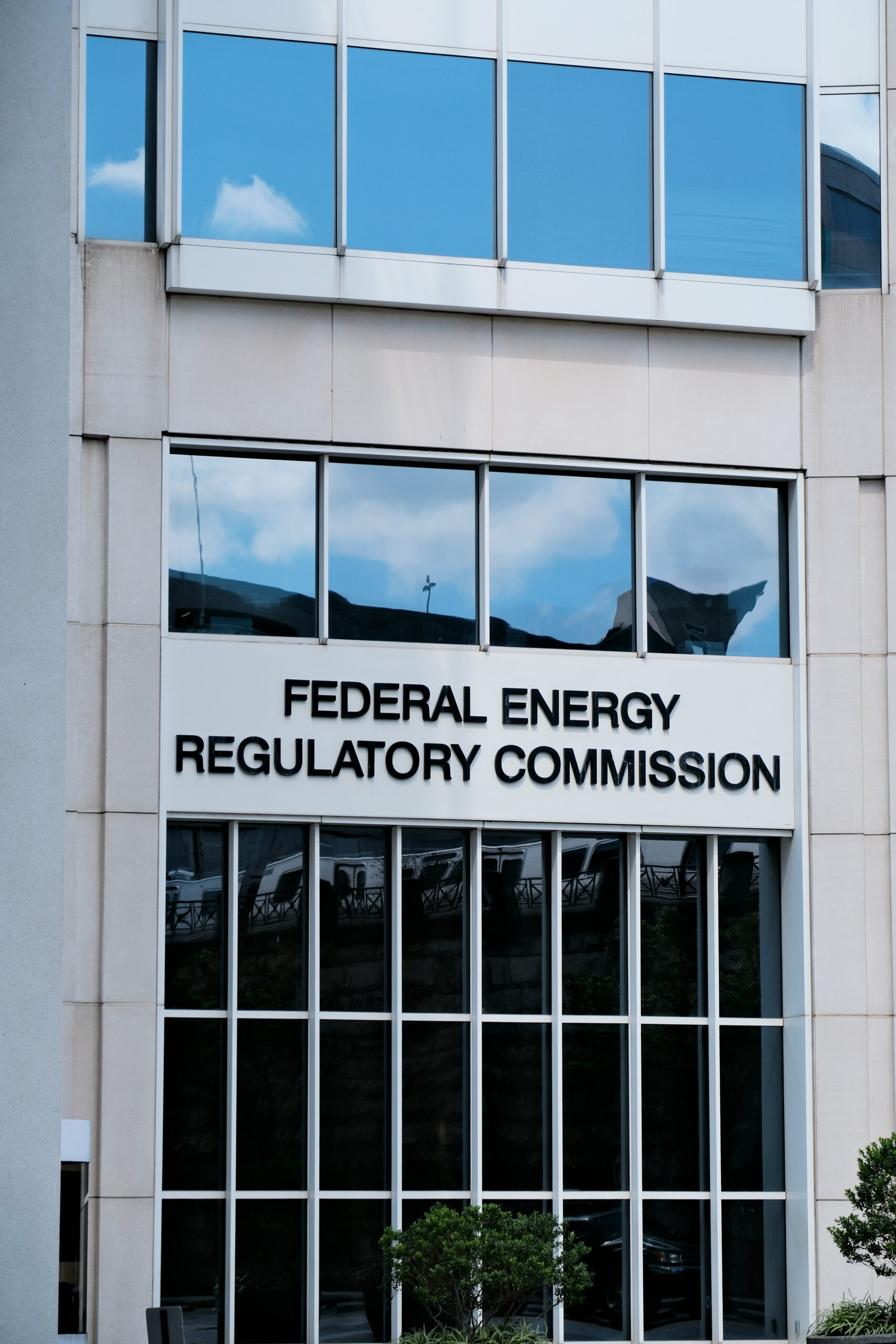
Building natural gas infrastructure should get easier in the future by way of a recent ruling by the Federal Energy Regulatory Commission (FERC or the Commission). On October 7, 2025, FERC issued a Final Rule, entitled “Removal of Regulations Limiting Authorizations to Proceed with Construction Activities Pending Rehearing” (Docket No. RM25-9-000, 193 FERC ¶61,014 (2025)). The new rule rescinds FERC’s prior rule that barred construction on gas infrastructure during project appeals. In doing so, FERC plans to accelerate energy projects to meet the growing demand for energy, due in part to the rapid build-out of data centers.
FERC Order No. 871: Banning Gas Infrastructure Construction During Project Appeals
FERC Order No. 871 is a Biden-era rule that delayed construction of approved natural gas projects during the 30-day rehearing request period, or while such rehearing requests were pending. In other words, natural gas construction could not start if a party seeks rehearing of the order authorizing construction of the project for as long as the rehearing process continues. This also has meant that some projects were tolled up to 150 days for a potential rehearing request, even if no rehearing request was ultimately filed.
This Order responds to increased interest and stakeholder participation in sections 3 and 7 proceedings under the Natural Gas Act (NGA). NGA section 3 (15 U.S.C. 717b) requires FERC approval for any import or export of natural gas between the U.S. and a foreign country. Section 7 (15 U.S.C. 717f(c) and (e)) mandates that FERC only issue a certificate of a proposed pipeline if “required by the present or future public convenience and necessity.” Order No. 871 ensured that stakeholders, particularly affected landowners and community members, had a right to have their concerns fully heard and decided before construction of a pipeline could begin.
Challenges to FERC Order No. 871
Shortly after Order No. 871 was issued in 2021, the D.C. Circuit Court of Appeals ruled en banc in Allegheny Defense Project v. FERC that FERC cannot toll rehearing requests to approve natural gas infrastructure projects. The court held that doing so contravenes the NGA, which provides that if FERC does not act on a rehearing request in 30 days, the request is deemed denied.
After President Trump took office in 2025, FERC reversed course on its policy. On June 18, 2025, FERC approved a one-year temporary waiver of Order No. 871, pausing regulation enforcement through June 30, 2026. In addition, the Commission issued a Notice of Proposed Rulemaking to permanently rescind Order No. 871.
On October 7, 2025, FERC permanently revoked Order No. 871, lifting the bar on construction activities on gas infrastructure while approvals are being challenged. In the final rule, FERC stated that, “Based on these considerations and given the commission’s command pursuant to the [NGA] to encourage the orderly development of plentiful supplies of natural gas, the commission concludes that [Order No. 871] is no longer in the public interest.”
The Interstate Natural Gas Association of America commended FERC’s actions, stating that this will “expedite pipeline construction following issuance of a FERC certificate without delay…and provide[] added regulatory certainty for our members on their investments in needed natural gas infrastructure.”
Broader Implications of FERC’s Scrapping of Order No. 871
FERC’s repeal of Order No. 871 is just the latest of a series of rollbacks by the Trump Administration that seek to streamline the development of natural gas infrastructure. For example, on January 20, 2025, President Trump issued Executive Order 14154, “Unleashing American Energy,” directing the removal of regulatory burdens on energy projects, especially natural gas projects. On the same day, President Trump declared a national energy emergency, highlighting the importance of critical energy infrastructure for national and economic security.
Tied to national security is the growth of artificial intelligence (AI). And as AI data centers boom, the transmission grid needs to catch up. As such, on July 23, 2025, the Trump Administration published America’s AI Action Plan (the Plan). The Plan aims to simplify permitting for energy infrastructure and to accelerate construction of AI infrastructure. Along with this Plan, the Administration released Executive Order 14318, expediting the permitting process for energy projects, including natural gas pipelines.
What’s Coming Down the Pipeline
By removing restrictions on natural gas construction activities, FERC aims to accelerate energy projects to meet the demands of a growing world and the boom of AI data centers. While this move promises greater certainty and speed for pipeline projects, it also signals a broader trend toward streamlining energy infrastructure permitting under the Trump administration. As the regulatory environment continues to evolve, stakeholders should remain vigilant, monitoring new policies and legal challenges that could impact future natural gas projects and the broader energy sector.