
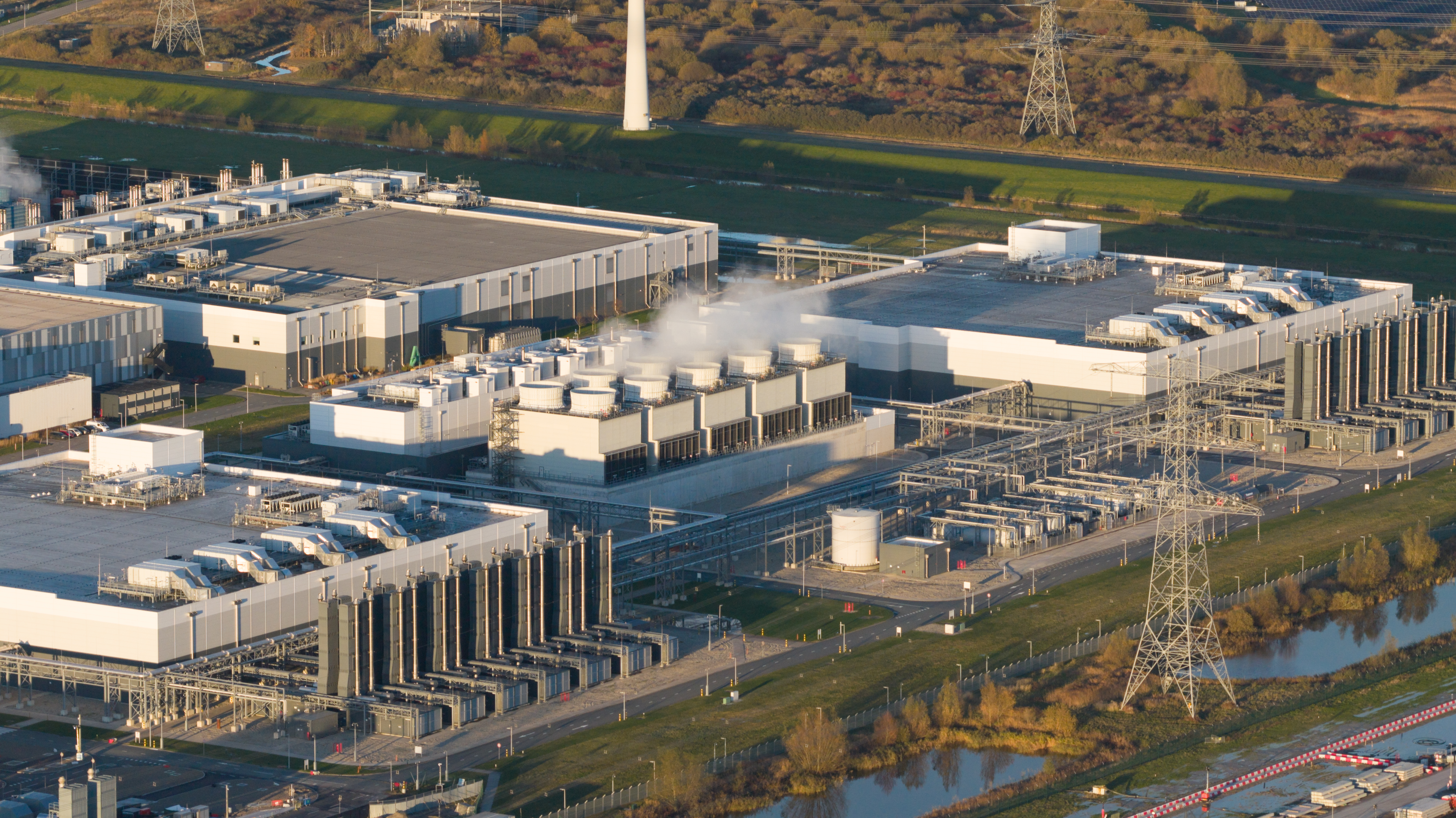
While much attention has focused on the electricity demands of AI-driven data centers, a quieter crisis is emerging around water consumption. Modern hyperscale data centers can consume between one and five million gallons of water daily for cooling systems, with some facilities using significantly more during peak operations. As tech companies announce plans to build dozens of new AI-focused campuses, communities from Arizona to Virginia are questioning whether local water resources can sustain this growth alongside residential and agricultural needs.
Water rights and access have rapidly evolved from due diligence checkboxes to deal-breaking issues that require the same sophisticated analysis traditionally reserved for power procurement and real estate acquisition.
The Regulatory Patchwork and Permitting Challenges
Water rights in the United States operate under a complex patchwork of state law regimes—prior appropriation in the West, riparian rights in the East, and hybrid systems in between—creating significant jurisdictional variations in how data center developers secure water access. In prior appropriation states like Colorado and Nevada, developers must navigate seniority systems where newer users face curtailment during drought conditions, making long-term operational certainty difficult to achieve. Eastern states with riparian or reasonable use doctrines present different challenges, as withdrawal permits increasingly face public opposition and heightened environmental review.
Data center developers must now conduct granular analysis of state water codes, municipal supply agreements, groundwater management plans, and endangered species considerations—often discovering that water permitting timelines rival or exceed electrical interconnection queues, fundamentally impacting project schedules and financing commitments.
Community Opposition and Social License Considerations
Data center water consumption has become a flashpoint for community opposition, particularly in water-stressed regions experiencing rapid growth. Recently, several high-profile projects faced delays or cancellations after local resistance, including facilities in drought-prone areas of the Southwest and communities in the Southeast where water infrastructure struggles to keep pace with population growth. This opposition has introduced “social license” considerations into transaction structures, requiring developers to engage in community benefit negotiations, commit to water conservation measures, and sometimes fund infrastructure upgrades as conditions of project approval.
Data center developers must now address water usage caps, implement tiered conservation triggers based on drought conditions, and establish community advisory mechanisms—provisions rarely seen in data center transactions just five years ago. Additionally, the intersection of water usage with environmental justice concerns, particularly when facilities are proposed near disadvantaged communities, adds another layer of stakeholder management and potential litigation risk.
Technological Solutions and Contractual Innovation
The water crisis is driving technological innovation in data center cooling, creating new contractual frameworks. Liquid cooling systems, which can reduce water consumption by 90% or more compared to traditional evaporative cooling, are becoming standard in AI-optimized facilities, but introduce novel equipment procurement, maintenance, and performance guarantee provisions. Some developers are investing in on-site water recycling and treatment systems, requiring complex engineering, procurement, and construction contracts with sophisticated performance metrics and regulatory compliance obligations.
Others are exploring air-cooled systems or locating facilities in cooler climates, each approach carrying distinct trade-offs in capital costs, operational efficiency, and site selection constraints. Structuring these transactions has evolved to address technology risk allocation, performance guarantees tied to water efficiency metrics, and provisions governing the ownership and operation of water treatment infrastructure—while ensuring that financing documents and operational agreements accommodate these evolving technical specifications.
Conclusion and Strategic Implications
Water rights and access have emerged as critical path items in data center development, resulting in a heightened focus on environmental law, water resource management, and community relations.
Successful deal execution now demands early-stage water availability analysis, proactive engagement with state water agencies and local utilities, and creative structuring that balances operational needs against community concerns and environmental constraints. As climate change intensifies water scarcity and public scrutiny of tech industry resource consumption grows, the developers who can navigate water rights with the same sophistication they bring to power procurement and real estate acquisition will create market advantages.
In an industry where “location, location, location” once meant proximity to fiber and power, water availability is rapidly becoming the third critical variable—and the legal frameworks governing access to this essential resource will shape where the next generation of data centers can actually be built.