Photo of Andrew Parker

Andrew Parker

With an in-house background in the renewable sector, Andrew supports clients’ transactional needs in the development and construction of renewable energy and commercial construction projects. Andrew's experience encompasses the drafting and negotiation of major project contracts, including representing both owners and contractors in EPCs, BOPs, and other major construction contracts, as well as equipment procurement, O&M, and long-term service agreements.

Overview of Feedstock Supply Agreements

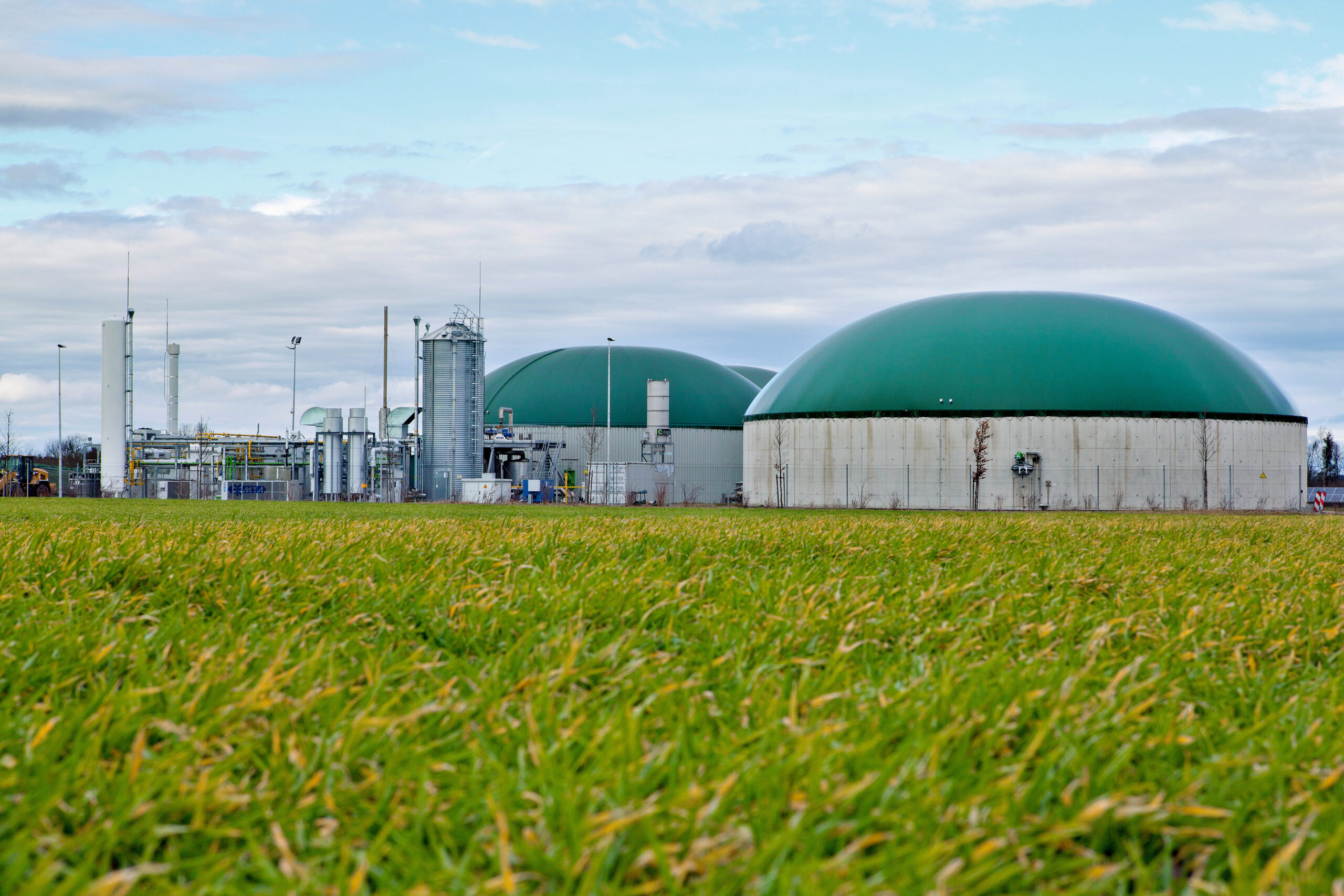
Digesters, which convert organic feedstock into raw biogas for upgrading into renewable natural gas (RNG), depend on the quality and quantity of available feedstock for successful operation. A reliable and financeable feedstock supply agreement is therefore essential to the success of any digester-based RNG project. These contracts govern the relationship between the suppliers of feedstock and project owners and operators, making them essential to the success of any RNG project and a primary diligence item in any digester financing or investment transaction.

Biogas and renewable natural gas (RNG) projects are unique in energy infrastructure. They blend complex mechanical systems with biological processes that are sensitive to variables like feedstock composition and availability, process temperature, equipment performance and reliability, and operator skill. Given the importance of gas output to a project’s economics, fluctuations in these variables can quickly erode a project’s financial viability.

Performance guarantees and performance liquidated damages (PLDs) are an essential element of most engineering, procurement, and construction (EPC) contracts, especially those related to solar and biogas projects; they make guaranteed levels of project performance, quality, and output enforceable. Specifically, PLDs compensate project owners for financial losses (or a reasonable approximation of them) incurred when projects fail to meet performance guarantees. Appropriately structuring PLDs in EPC contracts requires protecting project owners while balancing the risks for contractors, whose costs will often increase commensurate with increased contract risk. Ultimately, well-structured PLDs protect project owners, allocate appropriate risk to EPC contractors, and reassure financing parties that projects will perform as anticipated.

Allocating subsurface risk is always a key point of negotiation between owners and contractors in engineering, procurement, and construction (“EPC”) contracts, given its potential price and schedule impacts. Parties can utilize contractual, practical, and creative approaches to address subsurface risk, both before and after EPC contract execution.