
Overview of Feedstock Supply Agreements
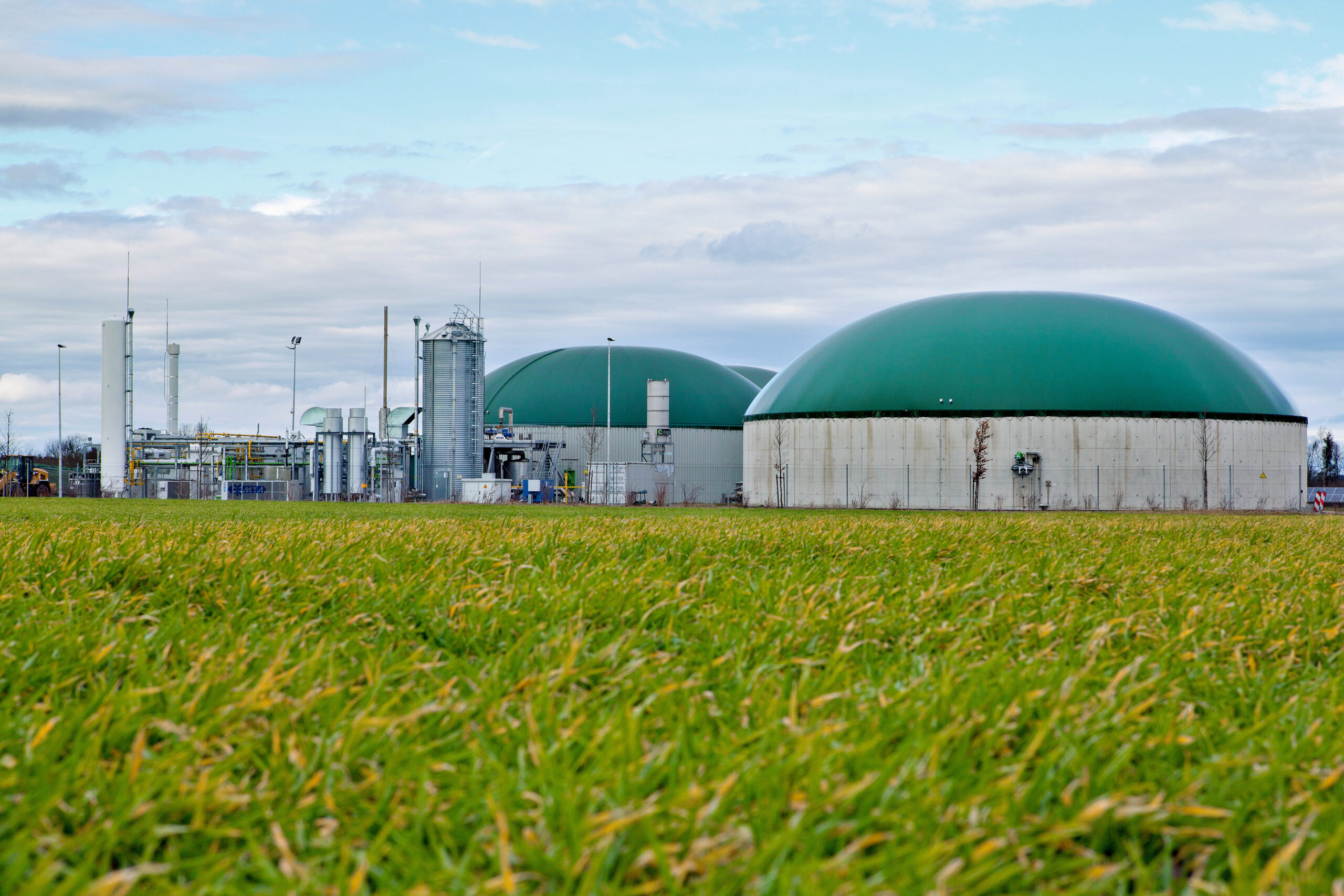
Digesters, which convert organic feedstock into raw biogas for upgrading into renewable natural gas (RNG), depend on the quality and quantity of available feedstock for successful operation. A reliable and financeable feedstock supply agreement is therefore essential to the success of any digester-based RNG project. These contracts govern the relationship between the suppliers of feedstock and project owners and operators, making them essential to the success of any RNG project and a primary diligence item in any digester financing or investment transaction.
Purpose and Importance to Digester Operations
Digesters produce biogas through the anaerobic decomposition of feedstock, which is upgraded to pipeline-quality RNG. Digesters rely on consistent, quality feedstock to achieve performance guarantees (like specific gas yields or operational uptime), which are often required by project financiers and offtake partners. Without a robust supply agreement and an understanding of its key provisions, RNG developers risk underperformance, financial penalties, and even facility shutdowns. These agreements also provide the legal clarity needed to resolve disputes over quality, quantity, price, or delivery terms.
Common Types of Feedstock: Manure, Corn Silage, Aquaculture Waste, and Others
The specific terms of a feedstock supply agreement often depend on the type of feedstock involved. Common feedstock sources include:
- Manure (Dairy, Swine, Poultry): Organic material excreted by livestock.
- Corn Silage: Fermented, high-moisture forage made from the entire corn plant.
- Aquaculture Waste: Organic byproducts such as uneaten feed, fish feces, and sludge generated from the farming of fish and other aquatic organisms.
- Other Organics: Examples include food processing waste, energy crops, and brewery and distillery waste.
Each feedstock presents unique challenges and opportunities, which should be reflected in the feedstock supply agreement’s provisions.
Key Provisions in Feedstock Supply Agreements
Feedstock Specifications
Defining Acceptable Feedstock Types and Quality Standards
A critical aspect of any feedstock supply agreement is defining what constitutes acceptable feedstock. This includes specifying the types of materials (for example, dairy manure produced only by lactating cows) and detailed quality standards such as moisture content, volatile solids percentage, and absence of contaminants. Contaminants like sand, glass, or plastic can damage digester equipment, reduce biogas yields, and result in costly downtime. The risk of contamination varies depending on the type of feedstock and the circumstances in which it is originally collected. For example, manure may pick up sand or glass during collection, while aquaculture waste is less likely to have such issues but may contain excess water or chemicals. Agreements should set out testing protocols, frequency, and the process for rejecting non-conforming loads. Importantly, feedstock specifications should be aligned with the digester’s performance guarantees to ensure the project can meet offtake obligations.
Feedstock Storage
Requirements for Storing Feedstock On-Site Prior to Transportation
Proper storage prior to collection is essential to maintain feedstock quality and minimize losses due to spoilage. Agreements should specify whether feedstock will be stored at the supplier’s site or the digester facility, outline acceptable storage methods (such as covered silos, lagoons, and tanks), and set standards for cleanliness and environmental protection. Improper storage risk also varies depending on the type of feedstock. For example, corn silage may require covered bunkers to prevent spoilage, while manure may be stored in lagoons or pits. The agreement should also address liability for losses or contamination during storage and establish inspection rights for the project owner or operator.
Transportation Responsibilities and Costs
Allocation of Responsibility and Cost for Transporting Feedstock to the Digester
Transportation is a significant operational and financial consideration for feedstock supply agreements. Such agreements must allocate responsibility for arranging and paying for transportation, including loading and unloading. For example, does the supplier deliver to the digester, or does the operator collect from the supplier? And, where exactly does the delivery or collection occur? Detailed provisions should be included in the feedstock supply agreement, regardless of whether transportation logistics are addressed in a separate and distinct transportation agreement, because title and risk of loss often transfer upon delivery. Agreements should also address delivery scheduling, permitted delivery windows, vehicle standards (for example, leak-proof trucks), and compliance with environmental regulations during transit. Cost allocation can be based on distance, volume, or fixed rates, and it may include fuel surcharges or penalties for late deliveries. Clear delineation of transportation responsibilities is crucial to avoid disputes and ensure a steady feedstock supply.
Transfer of Ownership in Feedstock
Timing and Conditions Under Which Ownership Passes from Supplier to Operator
The point at which ownership of the feedstock transfers has implications for risk, liability, and insurance. Agreements should specify whether ownership passes at the supplier’s facility, upon loading or unloading, at the digester facility, or after feedstock quality inspection and acceptance. This provision determines who is responsible for losses, contamination, or accidents at different points in time during transit. In some cases, and in connection with feedstock specification issues, feedstock supply agreements may also specify procedures for handling disputes over feedstock quality at the point of delivery, such as involving a third-party inspector or using retained samples for independent analysis. Project owners and operators should also consider how non-conforming feedstock is handled upon rejection (and at whose cost).
Term of Agreement
Duration and Renewal Provisions
The agreement should clearly (i) state its initial term (which often ranges from one to twenty years, depending on feedstock type and project financing requirements), and (ii) provide for term renewal or extension options. Long-term supply contracts are essential for securing project financing and digester viability. RNG developers should ensure feedstock agreements do not expire before the corresponding offtake agreements, as these rely on gas generated from that feedstock. Provisions for early termination, notice periods, and conditions under which either party may terminate (such as persistent quality failures) should also be considered for inclusion. Lender notice and cure provisions are typically negotiated in feedstock agreements, permitting project financiers an opportunity to avoid termination for default and enhancing project finance opportunities.
Minimum Supply Obligations
Daily or Periodic Minimum Delivery Requirements
To support digester performance guarantees and offtake agreements, many contracts include minimum supply obligations, expressed as daily, weekly, or monthly volumes. For variable feedstock types, historical averages may be used to set realistic baselines to account for operational and seasonal fluctuations. For example, the amount of manure produced can vary daily or seasonally depending on factors like herd size, animal diet, or weather conditions on a farm. Provisions should specify how shortfalls are measured, reported, and remedied. Minimum supply obligations are frequently referenced alongside offtake agreements, as the reliable supply of feedstock is essential for the facility’s capacity to achieve production goals and fulfill contractual sales commitments.
Cover Rights and Costs
Remedies and Costs if Minimum Supply Obligations Are Not Met
If the supplier fails to meet minimum supply obligations, the project owner or operator may need to source replacement feedstock from third parties, potentially at a higher cost. “Cover” provisions specify the rights of the operator or owner to do so and often require the supplier to reimburse the difference in cost or pay liquidated damages. These clauses incentivize compliance and protect the project owner’s financial interests. The agreement should outline the process for invoking cover rights, the documentation required, and limits on recoverable costs.
Payment Terms
Compensation Structures: Direct Payment, Environmental Attributes, Tipping Fee Cover, or No Payment
Payment terms in feedstock supply agreements can take several forms, depending on the type and value of the feedstock, as well as prevailing market conditions. For high-value or purpose-grown feedstocks such as corn silage, operators typically pay suppliers based on tonnage, energy content, or other measurable criteria. For low-value or waste feedstocks, the arrangement may be reversed, with suppliers possibly (i) paying the project owner a lesser “tipping fee” than would otherwise be charged for accepting and processing the material, or (ii) providing the material at no charge to avoid disposal costs. In these cases, the supplier’s primary benefit is often the avoidance of waste-processing facility fees, making the agreement mutually beneficial even in the absence of direct compensation. This structure is particularly attractive for entities, like food processors or municipalities, that face high disposal costs, so it’s important to understand each party’s economic drivers. In other cases, feedstock suppliers are compensated via revenue sharing. For example, project owners often agree to pay feedstock suppliers a percentage of revenue derived from selling the RNG generated by that supplier’s feedstock, which aligns the parties’ interests and incentivizes suppliers to deliver the greatest amount of conforming feedstock permitted. In those instances, defining which revenue will be shared is essential. Project owners often retain tax credit revenue entirely. Regardless of the model, feedstock supply agreements should clearly outline invoicing procedures, payment schedules, dispute resolution mechanisms, and provisions for adjusting payments in response to changes in feedstock quantity or quality or market conditions.
Unique Considerations That May Be Addressed in Feedstock Supply Agreements
Digestate and Effluent Return
Whether Suppliers Want Digestate or Effluent Returned
Some suppliers may wish to receive digestate or effluent, the byproducts of biogas production, for use as fertilizer or soil amendment for their operations. This is common with manure suppliers but less so with aquaculture or corn silage suppliers, who may have no use for or regulatory ability to accept these materials. Agreements should address whether digestate will be returned, who bears transportation and storage costs, and any regulatory compliance issues.
Processor Facility Requirements
Need for Processor’s Equipment or Infrastructure on Supplier’s Land
For some feedstock types, unique logistical or quality challenges may necessitate the installation of specialized collection, storage, or pre-treatment equipment directly on the supplier’s property. For example, liquid manure may require on-site pumps or storage tanks, food processing waste might need de-packaging or contaminant removal systems, and aquaculture waste could benefit from settling tanks or filtration units. In these cases, the agreement should specifically grant the operator rights to install, operate, and maintain such equipment, address utility usage and access, and clearly allocate responsibility for repairs, insurance, and eventual removal at the end of the contract term. Such provisions are particularly important for feedstocks that are difficult to handle, or require immediate stabilization to preserve quality, and are essential for minimizing operational disruptions and reducing the risk of disputes between the parties.
Pre-Treatment Systems
Requiring Pre-Treatment Systems Before Delivery
Certain feedstocks may require pre-treatment (such as dewatering, contaminant removal, or homogenization) before delivery to the digester. For example, digester owners might require aquaculture suppliers to install settlement tanks to reduce water content and allow for the removal of chemical residues before shipment. This pre-treatment can not only increase the biogas yield per ton delivered but also help operators comply with environmental regulations related to chemical contaminants. A feedstock supply agreement should specify any pre-treatment requirements, performance standards, and who is responsible for capital and operating costs. This is especially important for feedstocks with high contamination risk or variable composition, such as municipal organics or food waste. RNG developers often advance or reimburse the cost of pre-treatment infrastructure as partial or total compensation for feedstock.
Daily Amount and Measurement Challenges
Difficulties in Guaranteeing a Fixed Daily Supply for Certain Feedstocks
Some feedstocks, such as manure or aquaculture waste, may fluctuate due to seasonal or operational changes. Feedstock supply agreements can provide flexible delivery schedules, often using historical averages to set minimums and allowing for periodic measurement and reconciliation. For example, RNG developers should consider that during the summer months, cows spend more time grazing outdoors, which results in less manure collected in barns and a significant drop in daily supply. To address this, feedstock agreements often use rolling monthly averages based on historical data to set supply obligations, with quarterly reconciliations and flexible delivery targets to account for seasonal variability. Additionally, robust measurement protocols, including but not limited to certified scales, sampling, and recordkeeping, help ensure fairness and accuracy in supply and payment.
Conclusion
Well-drafted feedstock supply agreements are indispensable for the reliable and efficient operation of biogas and RNG facilities. They provide clarity, allocate risk, and support the financial and operational goals of both suppliers and project owners and operators. Given the diversity of feedstock types and operational models, it is essential to tailor each agreement to the specific needs of the parties and the characteristics of the feedstock. By addressing the key provisions and unique considerations outlined above, parties can build resilient partnerships that support the growth of the biogas and RNG sector and the broader transition to renewable energy.