
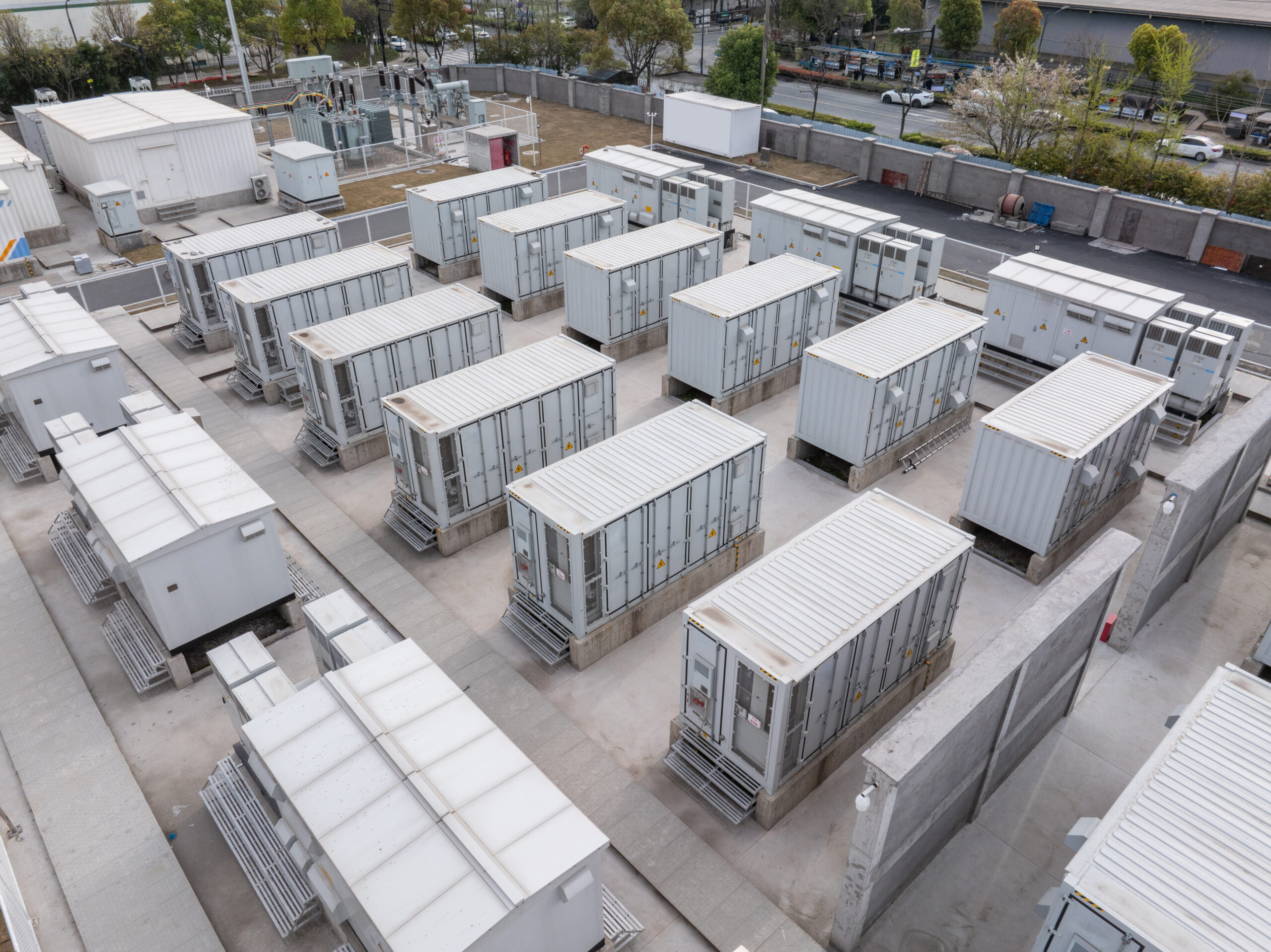
As the energy landscape continues to evolve, so too does the regulatory framework governing it. Texas House Bills 3809 and 3228 introduce significant changes to the decommissioning and recycling requirements for Battery Energy Storage Facilities (“BESFs”), Solar Power Facilities, and Wind Power Facilities in Texas. This legislation, effective for agreements entered into on or after September 1, 2025, mandates specific obligations for the removal and recycling of facility components. Here’s what you need to know to ensure compliance in your lease agreements.
Key Provisions of HB 3809: Battery Energy Storage Facilities
HB 3809, codified into law as Chapter 303 of the Texas Utilities Code, requires project lessees to undertake comprehensive decommissioning and recycling activities. The following requirements, which cannot be waived, include:
- Equipment Removal:
- Project lessees must remove all BESF equipment, transformers, substations, and cables to a depth of at least 3 feet below surface and fill any resulting holes with similar soil.
- Project lessees must also remove overhead lines.
- Upon landlord owners’ request, project lessees must remove roads, restore land to a tillable state, and reseed as appropriate.
- Recycling and Disposal: Project lessees must reuse, recycle, or ship for recycling all recyclable facility components.
- Project lessees must dispose of all components of the facility that are not practicably capable of being reused or recycled.
- This includes the proper handling of both hazardous and non-hazardous materials to minimize environmental impact.
- Not only must these recycling and disposal requirements be incorporated into a BESF lease, but they also should be included in any wind or solar lease that includes a BESF component.
- Financial Assurance: The project lessees must also provide landlord owners with financial assurance covering the full cost of recycling or disposal of all facility components, less project salvage value (salvage value to exclude the amount pledged for debt) along with an estimate of these costs.
- Costs and salvage value must be determined by an independent Texas-licensed engineer, with the initial estimate provided to the landlord owner on or before the 10th anniversary of the battery operations date and updated estimates provided every 5 years.
- Financial assurance must be delivered by the earlier of (i) agreement termination or (ii) year 15 of the battery operations date and must remain sufficient and in place until the lessee’s decommissioning activities are completed.
Key Provisions of HB 3228: Wind or Solar Power Facilities
Chapters 301 and 302 of the Texas Utilities Code currently require both wind and solar projects to undertake comprehensive decommissioning activities. Under HB 3228, wind and solar project lessees are now required to undertake additional recycling activities for wind and solar power facilities, which include:
- Recycling and Disposal: Project lessees must now collect, reuse, recycle, or ship for recycling all recyclable facility components.
- Project lessees must dispose of all components of the facility that are not practicably capable of being reused or recycled.
- This includes the proper handling of both hazardous and non-hazardous materials to minimize environmental impact.
- Financial Assurance: HB 3228 amends the existing financial assurance requirements in Texas Utilities Code Section 301.0004 (for wind projects) and Section 302.0005 (for solar projects) to add the estimated amount of the costs of recycling and disposing of all components to the formula for calculating the amount of financial assurance. As revised, the financial assurance provided by project lessees shall be at least equal to the estimated amount by which the cost of removing the solar or wind facility from the property, recycling or disposing of all components, and restoring the property as required exceeds the salvage value of the solar or wind facility, less any portion of the value of the solar or wind facility pledged to secure outstanding debt.
Impact on Lease Agreements
The enactment of HB 3809 and HB 3228 necessitates a thorough review of existing and future lease agreements for BESFs, wind facilities, and solar facilities. Here are some key considerations:
- Clarification of Responsibilities: Lease agreements must clearly delineate the responsibilities of each party concerning removal and recycling obligations. This clarity is essential to avoid disputes and ensure compliance with the new law.
- Financial Planning: The requirement for financial assurance means that project lessees must engage in careful financial planning to meet these obligations. This may involve setting aside funds or securing bonds to cover potential costs.
- Compliance with Environmental Standards: The recycling requirements underscore the need for compliance with environmental standards. Lease agreements should reflect these standards to ensure that all parties are aligned with the legislative intent.
Reviewing and Revising Lease Agreements
It is important to note that the changes to Chapter 301 and 302 and the new Chapter 303 of the Texas Utilities Code apply only to agreements entered into on or after the effective date of the Act, September 1, 2025. Agreements entered into before this date are governed by the law in effect at the time of the agreement. However, if amending, or amending and restating, a lease entered into prior to September 1, 2025, consider whether the new law applies.
Conclusion
The decommissioning and recycling requirements introduced via HB 3809 and HB 3228 marks a significant shift in the regulatory landscape for BESFs, wind, and solar power facilities in Texas. These new requirements emphasize the importance of comprehensive decommissioning and recycling practices and ensure that environmental standards are met and financial assurances are in place. As these changes have already taken effect, it is crucial for project lessees to review and update their lease agreements now to ensure compliance. For tailored advice and assistance, we recommend consulting legal professionals at Husch Blackwell to navigate these new regulations effectively.